
By Martin Minns
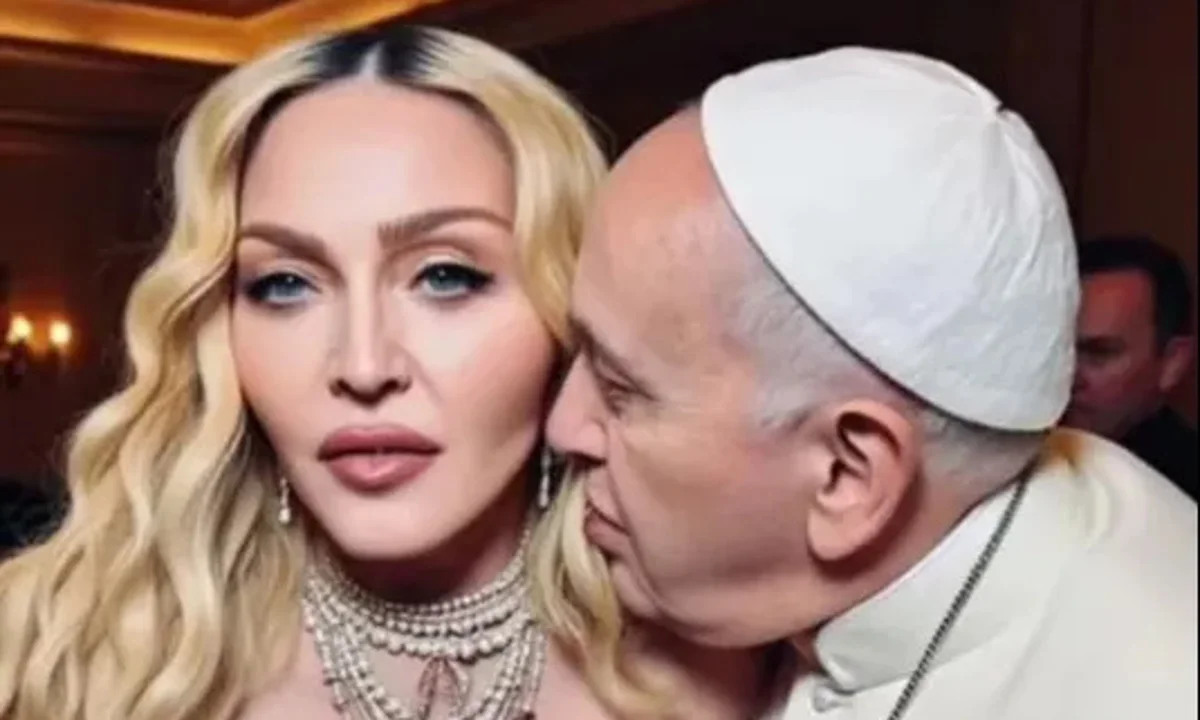
What links the Pope, Rihanna and Beyoncé with Burkina Faso? The answer is that nothing real links them to Burkina Faso. However, the three have all been victims of deepfake videos circulated widely on social media in which they appear to support Captain Ibrahim Traoré, Burkina Faso’s military leader. This is part of a wider surge in disinformation flooding Africa’s media ecosystem.
Traoré seized control of Burkina Faso in a military coup in 2022. Since then, he has utilised Russian support to drive information campaigns that glorify his actions and suppress the dissent of the Burkinabe people. Despite their low production quality, the way these videos took hold in some circles online highlights the growing potency of disinformation.
This example is one of many that illustrate how African information ecosystems have become an increasingly popular frontline for foreign actors waging wars of influence through disinformation.
Whilst traditional boots on the ground combat still occurs, the fight for influence through disinformation has proliferated in Africa in recent years. The African Centre for Security Studies reported a quadrupling of documented disinformation campaigns in Africa between 2022 and 2023. Most of these were foreign sponsored. These figures show that battles are being fought via the medium of information more than ever in Africa.
What has caused this proliferation? Globally, the massive acceleration in personal technology has acted as a mass enabler, providing more people than ever with access to online content. But there are Africa-centred reasons too. For example, the escalation in information manipulation has been partly driven by Africa’s relative technological lag compared to other continents. This has caused a heavy reliance on foreign innovations and imported technologies.
Additionally, weak State institutions in some African countries, combined with dissatisfaction with elites or grievances about scarce economic opportunities, help create a permissive environment. Disinformation can easily permeate these environments and take hold, creating fertile ground in which further propaganda can germinate.
Geopolitical factors have also played a role in driving disinformation across Africa. Spreading misleading information, or helping African actors spread it, has become a pillar of Russia’s policy in Africa.
According to research by the Africa Center for Strategic Studies in 2024, Russia is now the ‘leading purveyor’ of disinformation in Africa, responsible for nearly 40 per cent of disinformation campaigns in Africa. It does this mainly to cultivate backing and support to protect and promote its own economic interests, such as access to minerals and mining concessions.
Disinformation can be used to undermine democratic systems and sow doubt about a country’s electoral processes. Another way disinformation is used is to shape a narrative that protects an incumbent leader clinging to power.
Thirdly, an important reason foreign actors spread disinformation across Africa is to stimulate or fan the flames of existing conflicts to provide security support or win military contracts. Providing security services and security hardware to governments is a lucrative business and helps entrench a foreign actor’s influence. Interfering in an election through disinformation in return for military support, or to enflame existing conflicts, can be a driver for military hardware sales and the entrenchment of influence.
You could be forgiven for thinking there is nothing new to global powers vying for influence in Africa through information. After all, the Cold War saw multiple examples of this. But there are concerning consequences to this continent-wide surge in disinformation.
Disinformation warps, obscures and deflects the truth until it is bent out of shape, often until it presents a different reality from what is seen and felt on the ground. This confusion can pit people against each other as trust erodes and the fabric that holds civil society, free and open media frays. In its place, ambiguity, paranoia and untruths have free rein.
For example, the layers of disinformation promoting Traoré’s successes in Burkina Faso’s ongoing war against extremism present a very different picture from the reality the data suggests. Figures available from the Armed Conflict Location and Event Data Project (ACLED) show a threefold expansion of violence under Traoré, and a 20 per cent reduction in industrial gold production in the three years since he came to power, when compared with the three years before. When Burkinabe people see content on social media extolling Traoré’s security policies, but at the same time see their friends and neighbours facing increasing violence, who or what are they to believe?
Elections are another key target for disinformation. False or misleading information can be used to quash dissent for an incumbent or be used to incite underlying ethnic or political grievances to topple a leader. Malawi’s recent election, which resulted in a quick and peaceful transfer of power, gives us hope. Sadly, Africa has on too many occasions seen the transition of power descend into violence. Disinformation contributed to this.
Countering this growing threat is difficult. The world of social media is an expanding and rapidly evolving environment. A robust response to disinformation requires strong governmental institutions to enforce fact-checking protocols and identification of foreign influence campaigns.
Countering disinformation also requires a shift in mindset from citizens. As the key recipients of disinformation, the citizens need to learn to think more critically about the content being pushed to them. There is also need for support from tech platforms to help citizens identify and report disinformation by providing easy-to-use tools to do so.
Martin Minns is the Co-Producer of Panel 54, a Pan-Africa podcast based in Accra and Nairobi.
Email your news TIPS to Editor@nairobilawmonthly.com, and to advertise with us, call +254715061658 anytime of the day
