
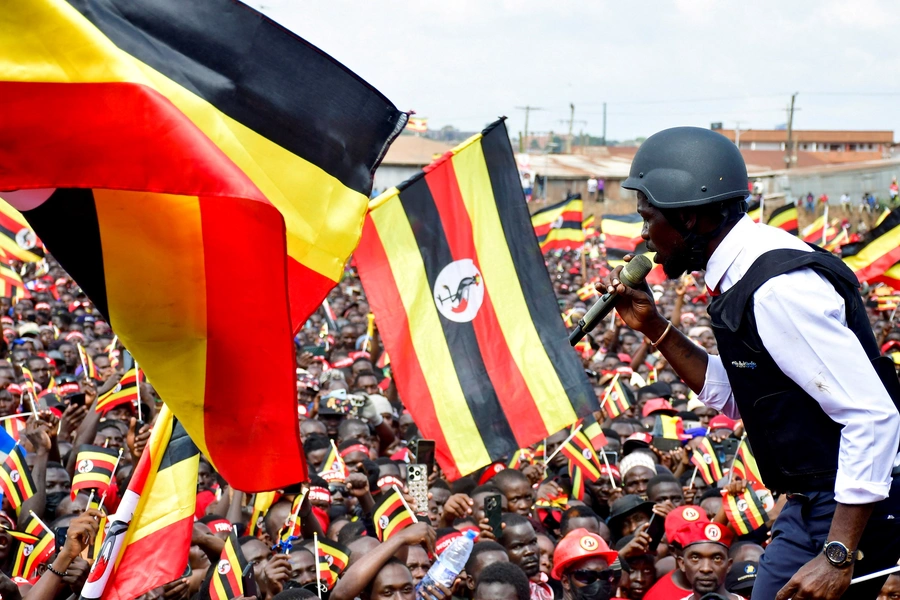
Ugandans were left without public internet access on Tuesday night after authorities ordered a nationwide shutdown days before voters head to the polls in a deeply polarised presidential election.
The blackout began at 6 pm local time after the Uganda Communications Commission directed telecom firms to suspend internet services. In its letter to operators, the regulator said the measure was aimed at preventing “misinformation, disinformation, electoral fraud and related risks” during what it described as a sensitive period.
“The UCC acknowledges the operational challenges this directive may impose and appreciates your full cooperation in upholding national stability during this sensitive period,” the commission wrote.
The move adds to mounting pressure on the opposition as President Yoweri Museveni, 81, seeks to extend his rule for another term. Museveni has been in power since 1986 and has amended the constitution twice to remove both age and term limits. He is already Africa’s third longest-serving leader.
Campaigning has been marred by violence, with security forces detaining hundreds of opposition supporters and breaking up rallies held for Museveni’s main challenger, pop star turned politician Bobi Wine. Police and soldiers have repeatedly used tear gas and live bullets, according to rights groups.
- Bobi Wine shot, injured in chaotic clash with police
- Bobi Wine protests as Besigye charged after Nairobi abduction
- Karua protests over Besigye abduction in Nairobi
Hours before the internet shutdown, the government also ordered two Ugandan human rights organisations to stop operating. The National Bureau for NGOs accused Chapter Four Uganda of activities “prejudicial” to state security and instructed it to cease work immediately.
Robert Ssempala, head of the Human Rights Network for Journalists-Uganda, said his organisation received a similar order. The bureau’s executive director, Stephen Okello, confirmed that the letters were issued.
The United Nations Human Rights Office has warned that the election is taking place in a climate of repression and intimidation. In a report released last week, it said Ugandan security forces had used live ammunition against peaceful gatherings, carried out arbitrary arrests and abducted opposition supporters.
Ugandan authorities have dismissed such criticism. Museveni’s government says the actions of police and the military are justified responses to disorderly conduct by opposition activists. A government spokesperson did not respond to questions about the UN report.
Analysts say Museveni’s tight control over the state makes a surprise election result highly unlikely, despite the visible public support for his opponents.
Email your news TIPS to Editor@nairobilawmonthly.com, and to advertise with us, call +254715061658 anytime of the day
