

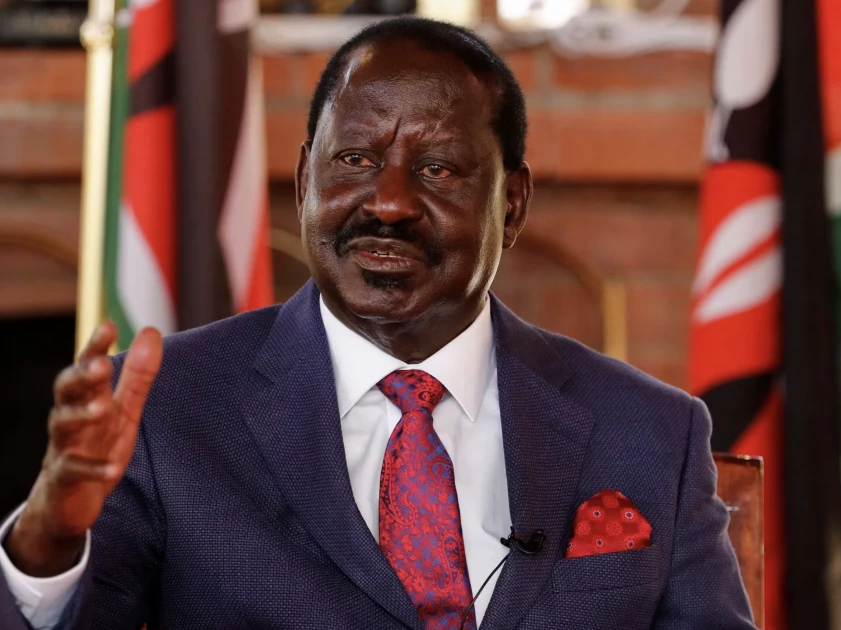
Raila Odinga’s repeated bids for the presidency fell short due to a combination of powerful interests, voter behaviour, and campaign missteps, ODM’s Junet Mohamed has revealed in a candid assessment of the opposition leader’s political journey.
Speaking on Citizen TV’s JKLive on 21 January 2026, Junet argued that Raila’s defeats were not merely the result of voters’ choices but, in his view, deliberate obstruction by entrenched political forces determined to keep him out of State House.
“The people who normally make presidents in Kenya did not want to make Raila president. That is what I believe, without mentioning who’s who,” Junet told host Jeff Koinange, highlighting what he described as resistance from the political establishment.
Junet also pointed to voter behaviour, particularly in the Mt Kenya region, as decisive. “If they had voted even 500,000 more, Baba would have been president,” he said, challenging assumptions about the region’s loyalty.
Campaign strategy, he said, was another critical factor. Junet criticised allies, including former President Uhuru Kenyatta, for not sufficiently mobilising grassroots support.
“His friend, the former President, did not take him to that area to tell the people that he is a good man. He was campaigning for him from his seat of power, the State House,” Junet said.
He dismissed claims that he had undermined Raila or acted as an ODM mole. “How can I be a mole in my own party, where I am a senior official with the responsibility to make sure the party succeeds?” Junet asked, stressing his loyalty and commitment to cross-party dialogue.
Reflecting on their decades-long partnership, Junet described their political careers as deeply intertwined. “I was with Baba everywhere politically. I have spent my entire life with him. He made me a mayor and later an MP,” he said.
Junet’s comments shed light on the complex interplay of internal party dynamics, voter choices, and entrenched political interests that, in his view, prevented Raila Odinga from securing the presidency.
– Additional reporting by Mark Simitia
Email your news TIPS to Editor@nairobilawmonthly.com, and to advertise with us, call +254715061658 anytime of the day
