

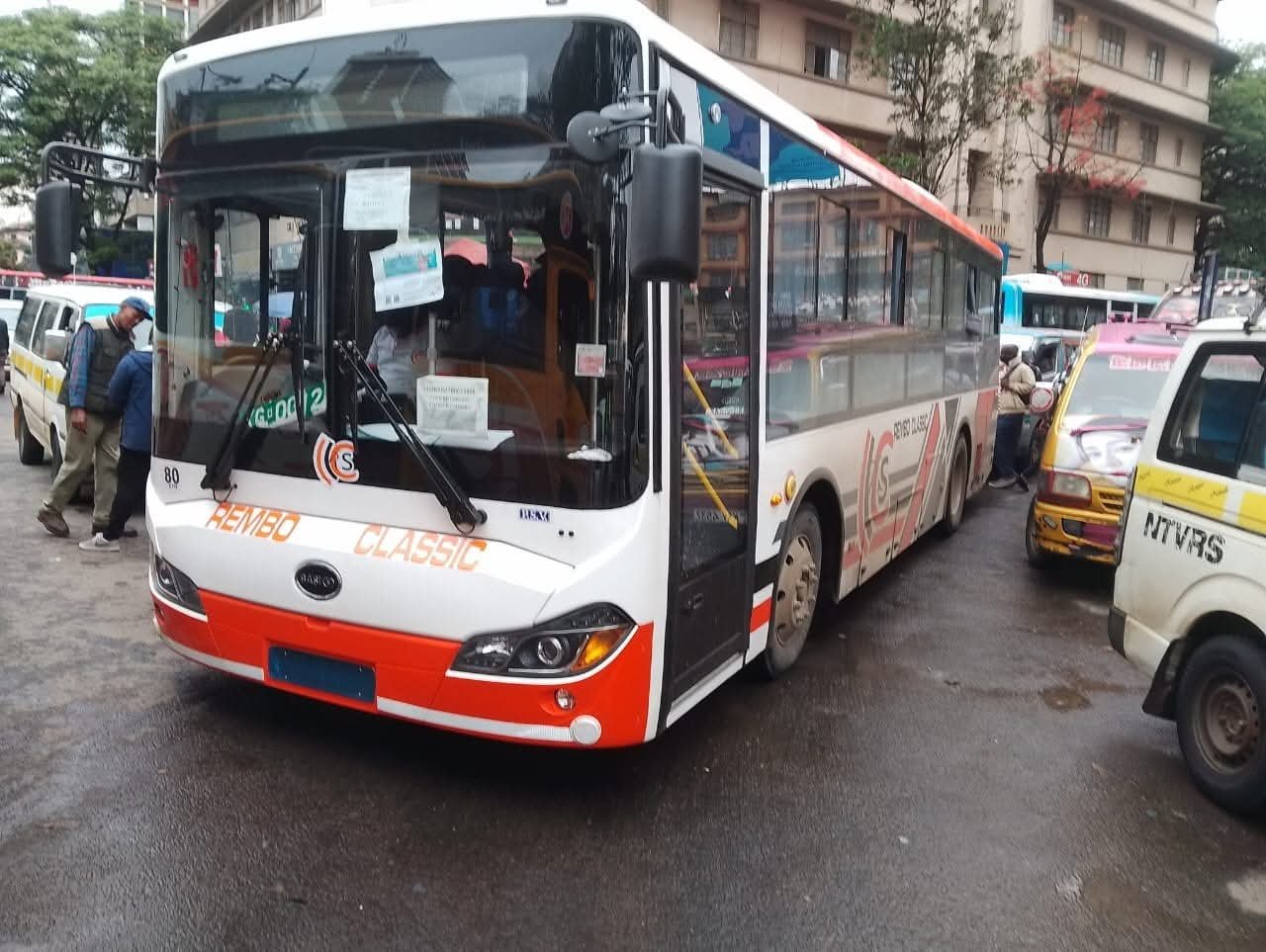
An uptake in electric vehicles (EVs) is steadily replacing the roar of internal combustion engines, and nowhere is this revolution more evident than in the country’s surging electricity demand.
In 2025, Kenya Power recorded a staggering 188% increase in electricity consumption attributed to the e-mobility sector, with over 8.43 million units (kilowatt-hours) fed into charging electric vehicles across the nation.

This is a leap from the 2.92 million units consumed just a year earlier, showcasing a profound shift in how Kenyans are choosing to move and power their transport. Revenue from EV charging increased to Sh190.8 million in 2025, up from Sh64.8 million the previous year, a growth of nearly Sh126 million. This indicates the emergence of a viable and rapidly maturing market segment within the energy sector.
Since the introduction of a dedicated e-mobility tariff in March 2023, Kenya Power has onboarded 205 customers, a modest number that belies the exponential rise in energy throughput. These are not casual adopters; they are fleet operators, charging station entrepreneurs, and logistics companies integrating electric commercial vehicles into their daily operations.
Each kilowatt-hour sold represents a vehicle on the move, a delivery made, a passenger transported, entirely free of tailpipe emissions. According to Dr. (Eng.) Joseph Siror, Kenya Power’s Managing Director and CEO, the company’s push into e-mobility is the cornerstone of its green agenda.
“E-mobility is one of the key areas the Company is focused on under our green agenda, which seeks to power livelihoods and support our communities with solutions that reduce carbon emissions. Already, over 90% of the energy we procure and dispatch is sourced from renewable sources. To complement this milestone, we are actively driving the uptake of e-mobility and eco-cooling solutions,” he said.
- Electricity demand soars on the back of economic recovery
- Kenya Power workers threaten strike over stalled pay talks
What makes this growth especially significant is its grassroots momentum. Unlike state-mandated electrification drives of the past, the uptake of e-mobility is being driven by entrepreneurs, small business owners, and early adopters who see both economic and environmental sense in going electric.
The doubling, and nearly tripling, of consumption in a single year points to network effects taking hold as more charging stations beget more EVs, which in turn justify further infrastructure investment. For a country where imported fuel bills have long strained foreign exchange reserves, the shift to domestic, renewable electricity for transport is a quiet form of economic sovereignty.
With these numbers, 2025 might go down as the year that electric mobility went mainstream. The journey is far from over, although with power already flowing through charging cables across the country, the shift has gained undeniable momentum.
Email your news TIPS to Editor@nairobilawmonthly.com, and to advertise with us, call +254715061658 anytime of the day
