

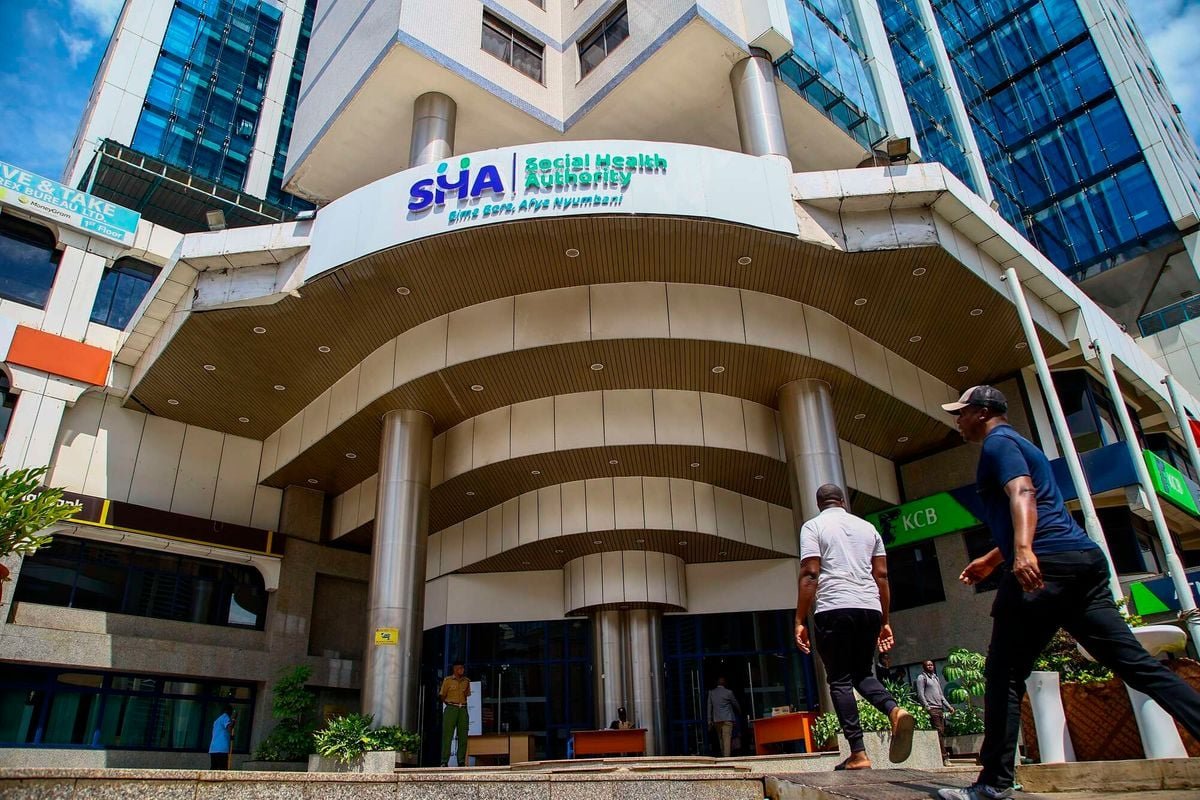
Teachers have secured key concessions on their medical cover following a heated standoff with the Teachers Service Commission (TSC) and the Social Health Authority (SHA), easing tensions that had threatened to disrupt school reopening.
The breakthrough came after unions raised widespread complaints over poor service delivery under the SHA scheme, including delays in treatment, reduced hospital access, and missing benefits that had initially been promised.

In a meeting held Wednesday, the Kenya Union of Post-Primary Education Teachers (Kuppet) and the Kenya National Union of Teachers (Knut) presented members’ grievances, citing bureaucratic hurdles and out-of-pocket expenses despite continued salary deductions.
“Most of the institutions available for teachers are public hospitals and this leaves them queuing for long hours before they can get any medical assistance and when they finally do, they are required to go buy their medicine,” said Kuppet Deputy Secretary General Moses Nturima.
The unions had earlier warned of industrial action, accusing the scheme of offering diminished benefits compared to the previous Minet cover. Teachers transitioning to SHA in December were required to contribute 2.75 per cent of their salaries, alongside surrendering their monthly medical allowances, in exchange for what was described as comprehensive cover.
However, concerns emerged that essential services such as laboratory tests, specialised scans and private care access were either limited or unavailable. Some hospitals reportedly demanded cash payments, citing delays in reimbursements.
Union officials had also admitted they lacked full details of the SHA contract at the time of signing. “TSC (Teachers Service Commission) should have informed teachers about quality of service and contract, and contracted facilities, under SHA,” said Kuppet Secretary General Akello Misori.
Following the latest talks, Knut Secretary General Collins Oyuu announced the formation of a joint technical committee bringing together unions, SHA and TSC to address the issues within 21 days.
“A technical committee that brings together the unions, SHA and TSC will look into issues affecting the medical scheme within 21 days to address the issues,” he said.
Among immediate measures agreed upon is the activation of fertility treatment, including IVF, reinstatement of overseas care, and the rollout of last-expense benefits expected next week. Patients with chronic illnesses will also be allowed medication covering up to three months.
“If a teacher has to do a follow-up visit within the week, the cover does not cater for that, they are forced to pay out of pocket,” Nturima added, highlighting ongoing concerns over outpatient restrictions.
Despite the concessions, authorities have maintained that the challenges are largely transitional. Health Cabinet Secretary Aden Duale previously described the issues as operational rather than structural, while SHA has attributed gaps to ongoing system adjustments and provider onboarding.
The dispute has drawn attention to broader concerns over the implementation of the SHA scheme, with teachers pushing for a more comprehensive and reliable medical cover in line with their contributions.
Email your news TIPS to Editor@nairobilawmonthly.com, and to advertise with us, call +254715061658 anytime of the day
