

Public hospitals are grappling with a growing financial crisis after the government accumulated more than Sh8 billion in unpaid claims, raising concerns over the sustainability of healthcare services under the universal health coverage (UHC) programme.
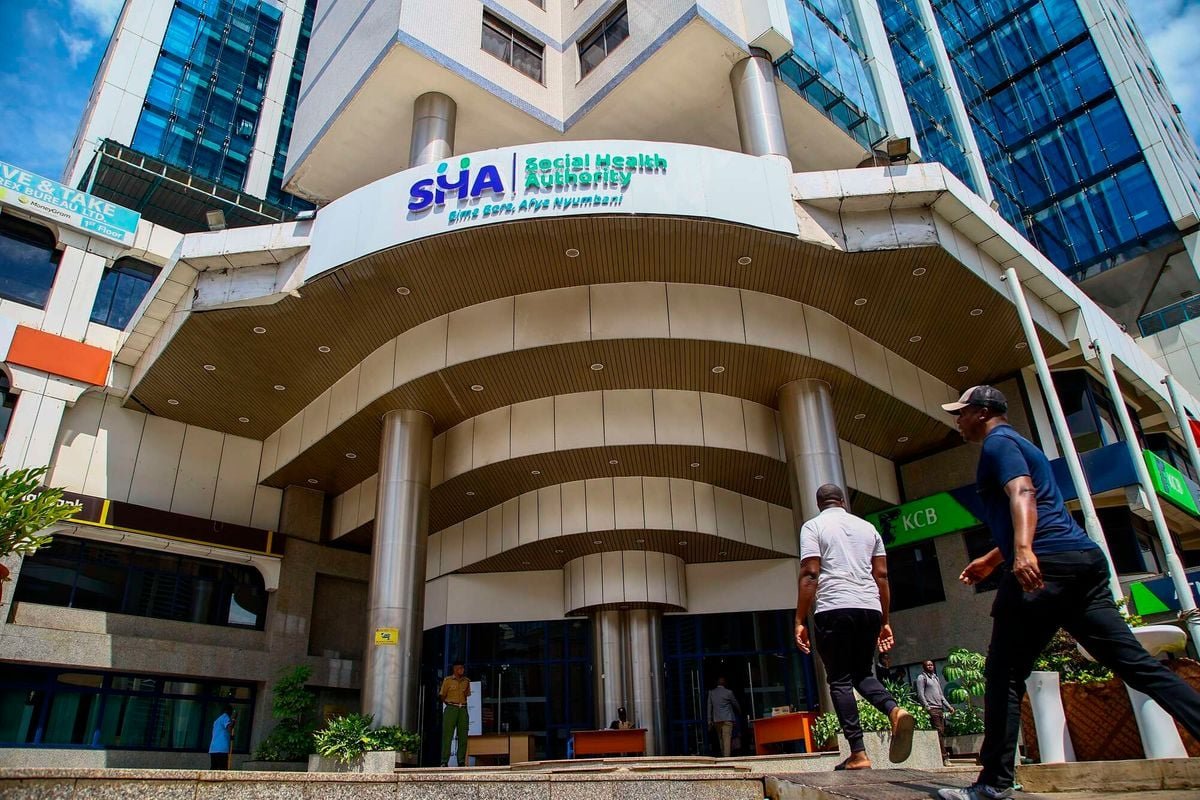
A report by Controller of Budget Margaret Nyakang’o warns that delayed reimbursements from the Social Health Authority (SHA) are straining county-run health facilities and disrupting service delivery across the country.

“The mounting debt threatens the credibility of UHC. The delayed disbursements risk crippling services at the hospitals,” Ms Nyakang’o says in her report.
Kisumu County is the most affected, with Sh1.87 billion in pending claims, followed by Nyeri (Sh633.6 million), Nakuru (Sh609.2 million) and Kiambu (Sh474.85 million). Other counties owed significant amounts include Bungoma, Mombasa, Kakamega and Siaya, reflecting a widespread funding shortfall across devolved units.
The financial strain is compounded by additional debts inherited from the defunct National Health Insurance Fund (NHIF), with counties such as Nakuru and Mombasa owed hundreds of millions more in unpaid claims.
The delayed payments have disrupted hospital operations, affecting procurement of drugs and medical equipment, and forcing some facilities to scale back services. Both public and private healthcare providers have reported cash flow challenges linked to the backlog.
Faith-based hospitals have also been hit, with the Kenya Conference of Catholic Bishops stating that SHA owes them Sh5.7 billion, while NHIF owes a further Sh3.3 billion.
- Teachers win key medical cover concessions after SHA standoff
Health Cabinet Secretary Aden Duale has acknowledged the backlog, saying the government is taking steps to clear part of the debt.
“The pending claims for Edu Afya schemes amount to Sh735 million,but the Sh116 million will be settled in two weeks,” the minister said. “The Sh619 million balance will be settled on availability of funds.”
He added that the National Treasury has allocated Sh4 billion in a supplementary budget to reduce NHIF arrears, with the remaining balance expected to be cleared in the next financial year.
Despite assurances, concerns persist over the efficiency of the Social Health Insurance Fund (SHIF), which was introduced in October 2024 under SHA with promises of faster reimbursements and improved transparency. More than a year later, hospitals continue to report delays in claim settlements.
The scheme, a flagship initiative aimed at expanding access to affordable healthcare, has faced mounting criticism over implementation challenges, including system inefficiencies, limited coverage and rising out-of-pocket expenses for patients.
While the government maintains that reforms are underway and has urged more Kenyans to register, the growing debt burden is intensifying pressure on authorities to restore confidence in the country’s healthcare financing system.
Email your news TIPS to Editor@nairobilawmonthly.com, and to advertise with us, call +254715061658 anytime of the day
