

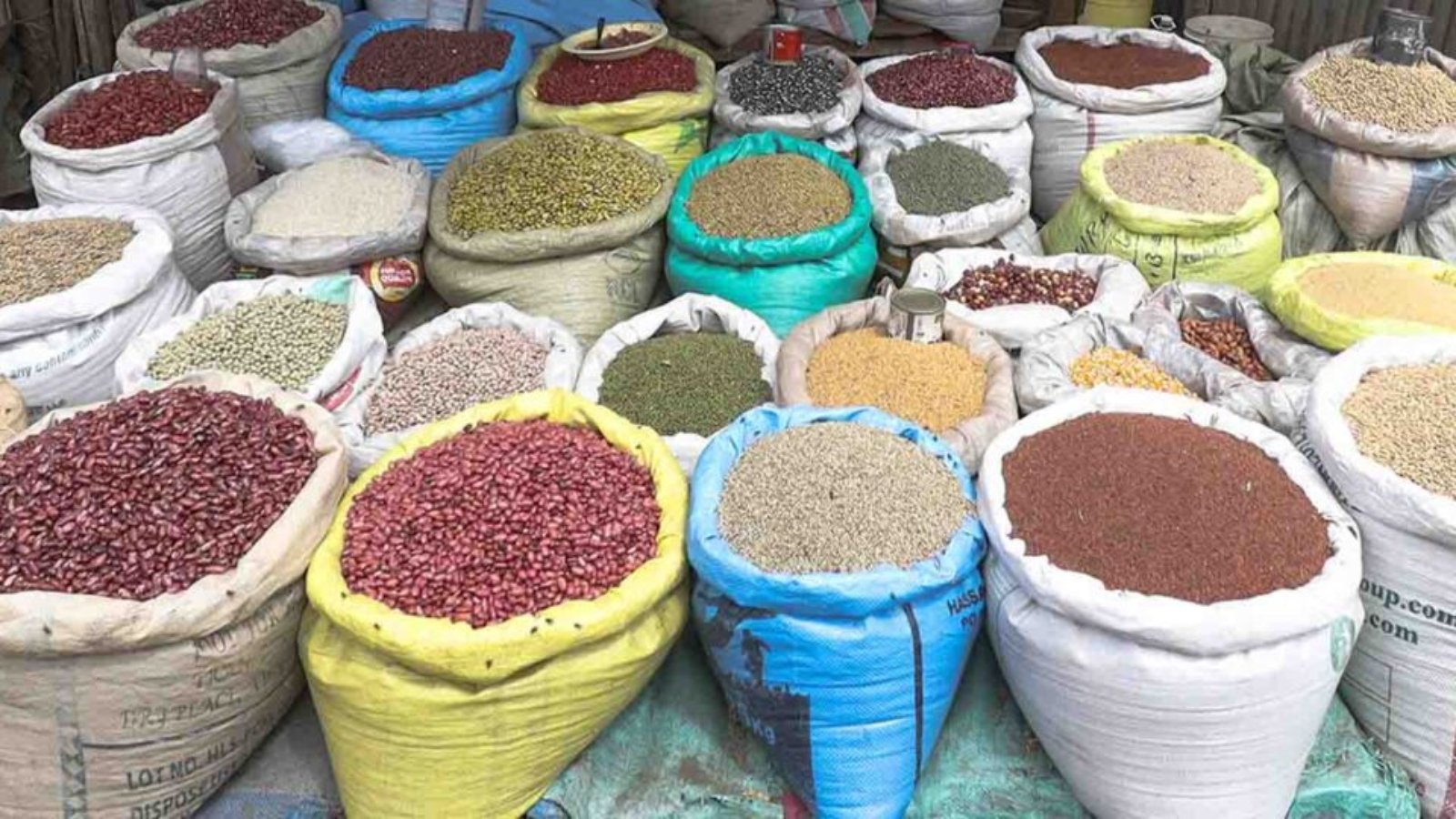
Kenyans have been warned about the growing presence of cereals contaminated with dangerous levels of aflatoxins in local markets, raising concerns over food safety and the potential health risks posed to consumers.
The alert follows findings by the Kenya Agricultural and Livestock Research Organisation (KALRO), which revealed that some cereal samples collected from markets across the country contained aflatoxin levels far above internationally accepted safety limits.

Speaking during celebrations to mark World Food Safety Day on June 2, KALRO Director General Patrick Ketiem disclosed that some products recorded contamination levels of up to 500 parts per billion (ppb), significantly exceeding the recommended threshold.
“The only acceptable limit by the World Health Organisation is 10 parts per billion. If you pass ten, it cannot be accepted,” Ketiem said.
“By the way, if it exceeds 10, it cannot be accepted. But in our Kenyan markets, we are seeing products with levels as high as 500 or 400. It varies, but you could easily find one with 400 or 500,” he added.
Aflatoxins are poisonous substances produced by certain fungi that thrive on crops such as maize, millet, sorghum and groundnuts, particularly when they are poorly dried or stored in damp conditions. Exposure to the toxins has been linked to serious health complications, including liver cancer, weakened immunity, birth defects and stunted growth among children.
The findings have prompted renewed efforts by the Kenya Bureau of Standards (KEBS) to curb the circulation of contaminated food products and strengthen consumer protection measures.
KEBS Director of Quality Assurance Geoffrey Muriira said the agency had intensified market surveillance and inspections to ensure food sold to the public meets the required safety standards.
“If it is not safe, then it is not food, and this is the message we want everybody to have because this is a shared responsibility,” Muriira said.
He urged consumers to avoid products whose safety is questionable and encouraged greater awareness of food handling practices throughout the supply chain.
KALRO attributed the persistence of the problem partly to the high cost of food safety testing, which many small-scale farmers and traders are unable to afford.
“The cost of food safety testing remains prohibitive for most farmers,” Ketiem noted, calling for interventions to make testing services more accessible and affordable.
The two agencies also encouraged consumers to take a more active role in ensuring food safety by seeking information about the origin of food products, the methods used during production and the conditions under which the products were handled before reaching the market.
Experts have long identified poor post-harvest practices, inadequate drying methods and improper storage as major contributors to aflatoxin contamination in Kenya. The latest warning is expected to intensify calls for stricter enforcement of food safety standards and increased support for farmers to reduce contamination risks before products reach consumers.
Email your news TIPS to Editor@nairobilawmonthly.com, and to advertise with us, call +254715061658 anytime of the day
