

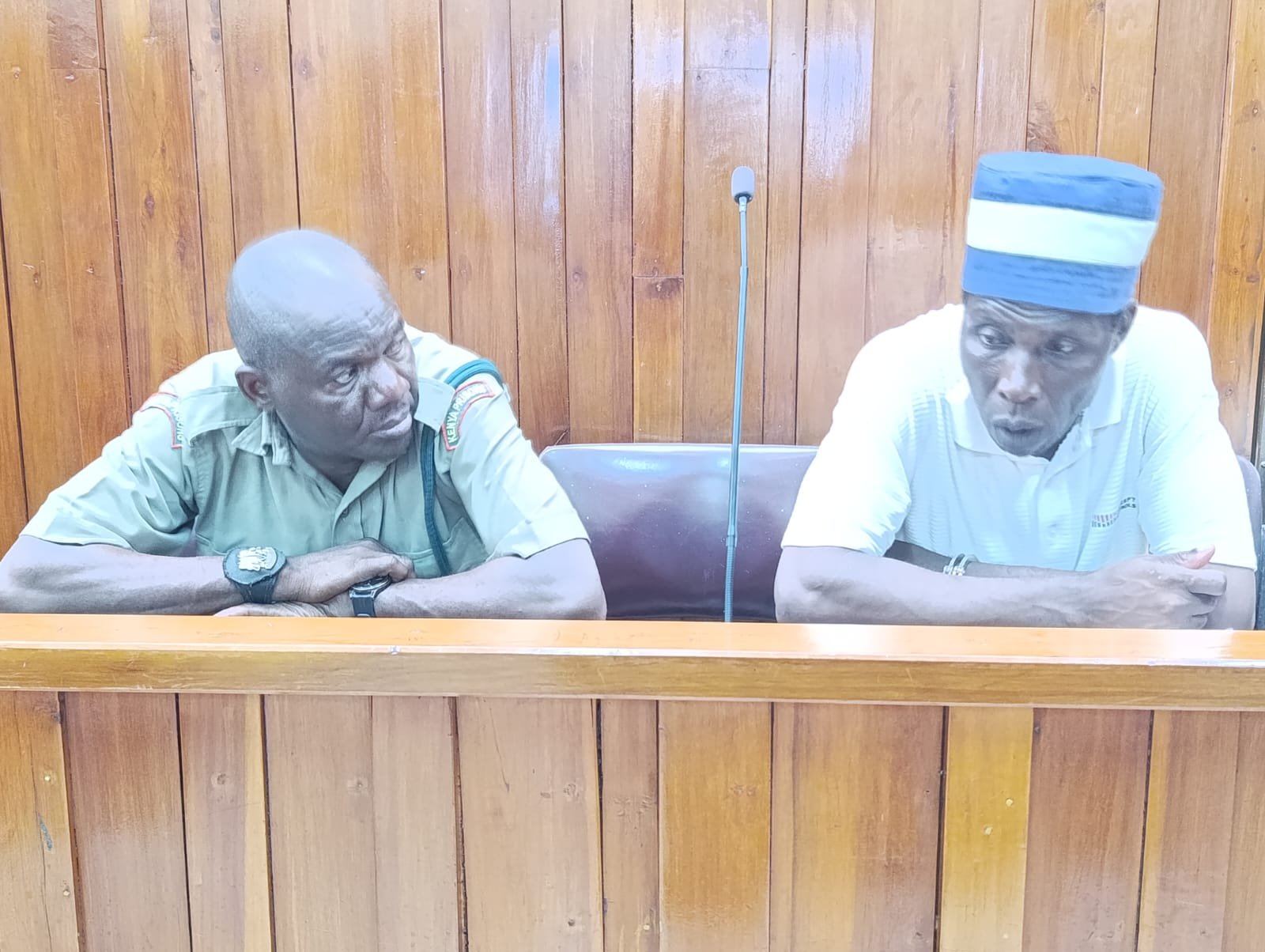
The Director of Public Prosecutions has recommended an 11-year structured sentence combining custodial and non-custodial terms for Enos Amanya alias Haleluya, a convict in the Shakahola massacre case, to facilitate his rehabilitation and reintegration into society.
Appearing before Justice Diana Kavedza at the High Court in Mombasa on Thursday, the prosecution, led by Deputy Director of Public Prosecutions Jami Yamina, proposed that the sentence account for the three years Amanya has spent in remand custody. This would reduce the effective term to eight years.

Out of the eight years, the DPP recommended that Amanya serve between one and two and a half years in prison custody under a voluntary rehabilitation programme. The programme, to be implemented jointly by the National Counter Terrorism Centre and prison authorities, focuses on disengagement from cultic beliefs, de-radicalization, and preparation for societal reintegration.
The remaining six years would be served under supervised probation as a non-custodial sentence to support his gradual return to the community.
Amanya informed the court that he would cooperate fully with prison authorities to ensure successful rehabilitation.
During the custodial phase, the court would receive progress reports every six months. In case of non-compliance or default, Amanya would serve the full remaining sentence in prison.
- Shakahola: How Paul Mackenzie runs deadly cult from prison
- Police raid sparks cult fears after skulls found near Shakahola
The DPP’s proposal aligns with sentencing principles, including the doctrine of rarest of rare cases and the doctrine of extenuating circumstances. An inquiry under the first doctrine ruled out the death penalty in favour of a life sentence, while extenuating circumstances reduced moral blameworthiness, leading to the proposed 11-year term.
Mitigating factors considered include Amanya’s cooperation with the state in resolving other pending cases, such as those related to Kwa Binzaro, which formed part of restorative justice efforts.
He also approached the prosecution for a plea bargain after hearing testimony from Dr Reverend Bishop Anyenda, who guided the court on the dangers of misinterpreting biblical texts that contributed to crimes committed by Paul Nthenge Mackenzie and 94 others.
The prosecution emphasized that primary moral blameworthiness rests with Mackenzie and other church leaders of the Good News International Church, who face death penalty-eligible charges under the rarest of rare doctrine.
The court heard testimony from 61 victims, some of whom requested pardon for Amanya due to his confession and plea for forgiveness.
The recommendations comply with sentencing guidelines from the National Commission on Administrative Justice and support the DPP’s strategic focus on rehabilitation and reintegration in deserving cases.
The DPP indicated that heavier sentences would be sought against Mackenzie and his accomplices upon conviction.
The prosecution team includes Deputy Director Joseph Kimanthi, Assistant DPP Ngina Mutua, and Principal Prosecution Counsels Victor Owiti and Betty Rubia. A further hearing in the matter is scheduled for next month.
– By Sitati Reagan, KNA
Email your news TIPS to Editor@nairobilawmonthly.com, and to advertise with us, call +254715061658 anytime of the day
