

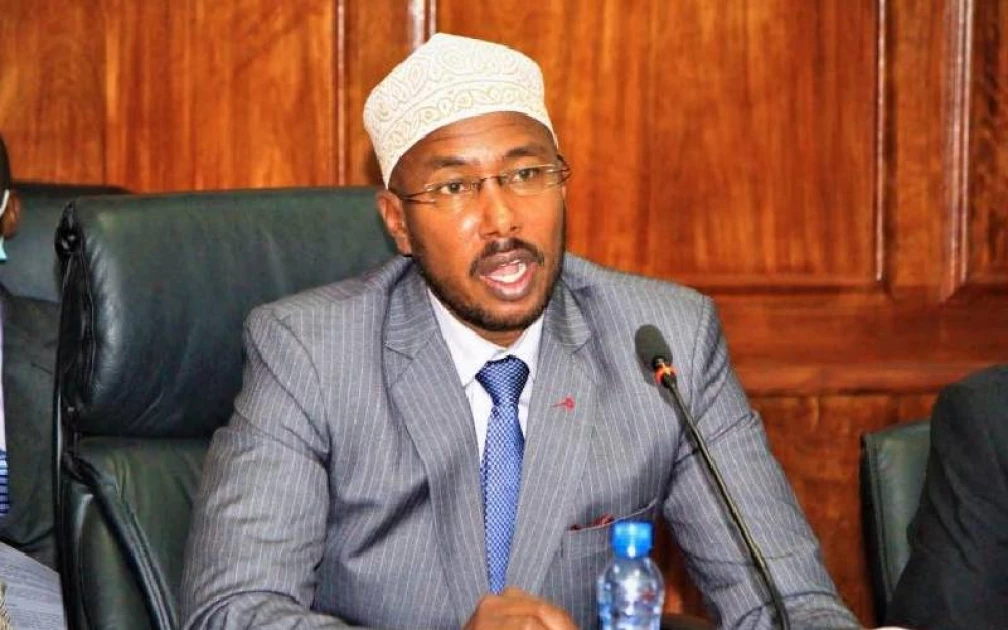
The Independent Electoral and Boundaries Commission (IEBC) does not have sufficient funds to conduct 24 by-elections scheduled for November 27, chief executive Hussein Marjan has disclosed.
Appearing before the National Assembly Public Accounts Committee (PAC) on Tuesday, Marjan said the commission had only received Sh788 million out of the Sh1.046 billion required to conduct all the elections.
The amount received can only fund 16 of the 24 by-elections, leaving the remaining eight in uncertainty.
“We have a total of 24 by-elections. Of these, 16 have been funded to the tune of Sh788 million, while the remaining eight, costing Sh258 million, are yet to be funded,” Marjan said.
Eight by-elections—including Malava, Ugunja, Mbeere North, and the Baringo senatorial seat—lack funding. With less than two months to go, Chairperson Erastus Ethekon urged the Treasury to release the remaining funds quickly for proper planning.
“We are working closely with them, although there has been some back and forth. I hope they will unlock the funds quickly because timelines are very tight, and so are the elections,” he said.
The 24 by-elections are expected to be conducted on the same day, with results announced promptly.
- IEBC restores voter verification portal after public outcry
- IEBC proposes Sh57.4bn budget for 2027 polls amid funding concerns
- New IEBC chiefs sworn in after High Court throws out petition
EBC commissioners, who were appearing before PAC for the first time since their appointment, emphasised the importance of conducting the by-elections properly to build voter confidence ahead of the 2027 general elections.
“We believe these by-elections will serve as a good test run for the 2027 elections that will follow,” Ethekon stated.
After the by-elections, the commission will focus on the voter registration exercise, where it expects to register 6.3 million new voters both within Kenya and abroad, with a significant proportion being young people. This will bring the total number of registered voters to approximately 29 million.
The process will begin with cleaning the voter register by removing the names of deceased voters. “We will have a new register after capturing data, cleaning it, having it audited, and then publishing it,” the chairperson confirmed.
– By Timon Otieno
Email your news TIPS to Editor@nairobilawmonthly.com, and to advertise with us, call +254715061658 anytime of the day
