
By Fuad Abdirahman
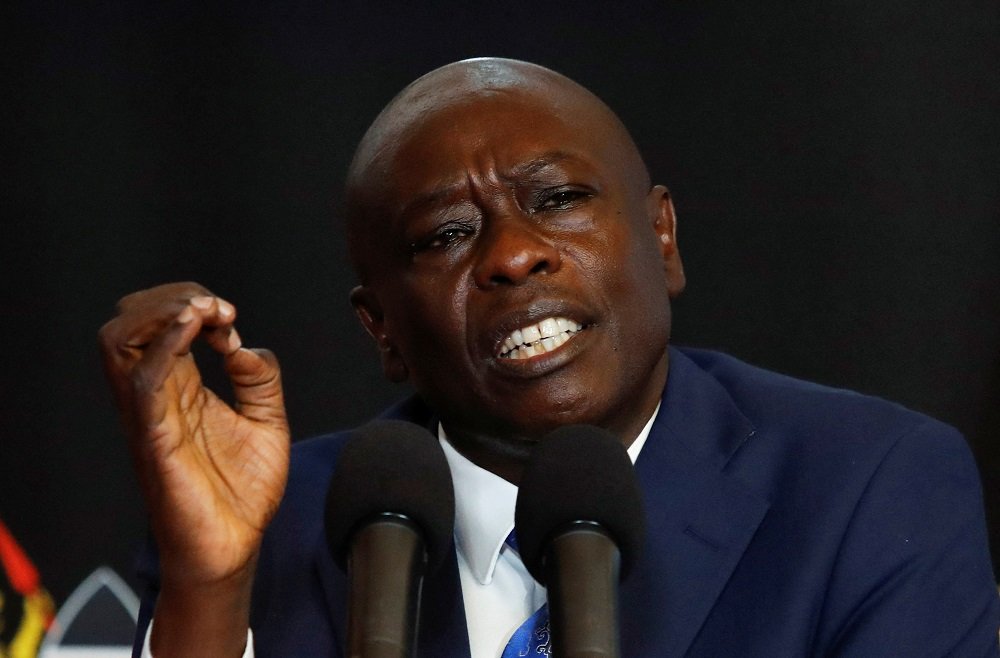
The recent remarks by former Deputy President Rigathi Gachagua that Kenyans will experience the fate of the 2007 post-election violence are chilling and a nightmare to families that lost loved ones or were displaced from their homes.

As Kenyans approach the 2027 general elections, such remarks will only grow louder. What Kenyans have witnessed in the past few months amounts to veiled threats through coded language. This is tactic that politicians use as a tool to mobilise and divide the people and inflame passions that could divide the nation.
The consequences will be dire, as the country risks once again being plunged into political and ethnic strife, just as happened during the 2007 post-election violence. As a country, we need to ensure that we keep in check those who want to harm Kenya’s unity fabric.
While freedom of expression is a cornerstone of our Constitution, there should be a check on the thin line between hate speech and freedom of speech. That is why the National Cohesion and Integration Commission (NCIC) was created so as to handle such issues.
However, it needs to be more effective. The commission has the legal architecture to promote national unity, investigate hate speech, and hold inciters accountable. However, its effectiveness has been reduced by a number of factors, including lacking authority and means to hold inciters accountable, beyond summoning them for grilling.
This is a weakness that rogue politicians have been exploiting to get away with hate speech. As 2027 gets closer, it is critical that this important institution have the necessary tools to monitor political rallies, social media livestreams, and inflammatory rhetoric, and to act accordingly when necessary.
More importantly, it should have the powers to ensure that politicians who are risking the country face the legal consequences of their actions. Part of the reason why NCIC is unable to do its job to the best of its ability is that it receives insufficient funding from the Exchequer, and failure by the National Assembly to amend the law to give it legal teeth.
Until these are remedied, the institution will experience challenges delivering on its mandate. And because of its limited capacity to investigate, prosecutions rarely lead to convictions. To shield the citizens from similar trauma as that of 2007, empowering the NCIC must become a national priority.
For instance, there is need to make it autonomous, shield it from political interference and ensure it reports to an independent public institution. In addition, it will be critical to grant it prosecutorial powers, or a embed within it a dedicated tribunal, to allow for swift and impartial hearing and determination of cases.
Without a doubt, it also needs to cultivate stronger collaboration with the Directorate of Criminal Investigations (DCI) and the Office of the Director of Public Prosecutions (ODPP). This will ensure that hate speech cases that often collapse due to poor coordination among the agencies are reduced.
Some of these changes are not only necessary for national unity but also for Kenya’s survival as a country. It is time, as a country, to act decisively and expeditiously to stem the hate-speech tide and NCIC offers us a viable national insurance policy.
Let us not wait until lives are lost or suspects become untouchable. Kenya’s Constitution promises peace, unity, and dignity for all citizens, and while the NCIC was created to guard that promise. However, as a watchdog without teeth, it can only bark but not bite. We need to empower it to do more, do better, and do it now.
Email your news TIPS to Editor@nairobilawmonthly.com, and to advertise with us, call +254715061658 anytime of the day
