

By Natasha Tisminieszky
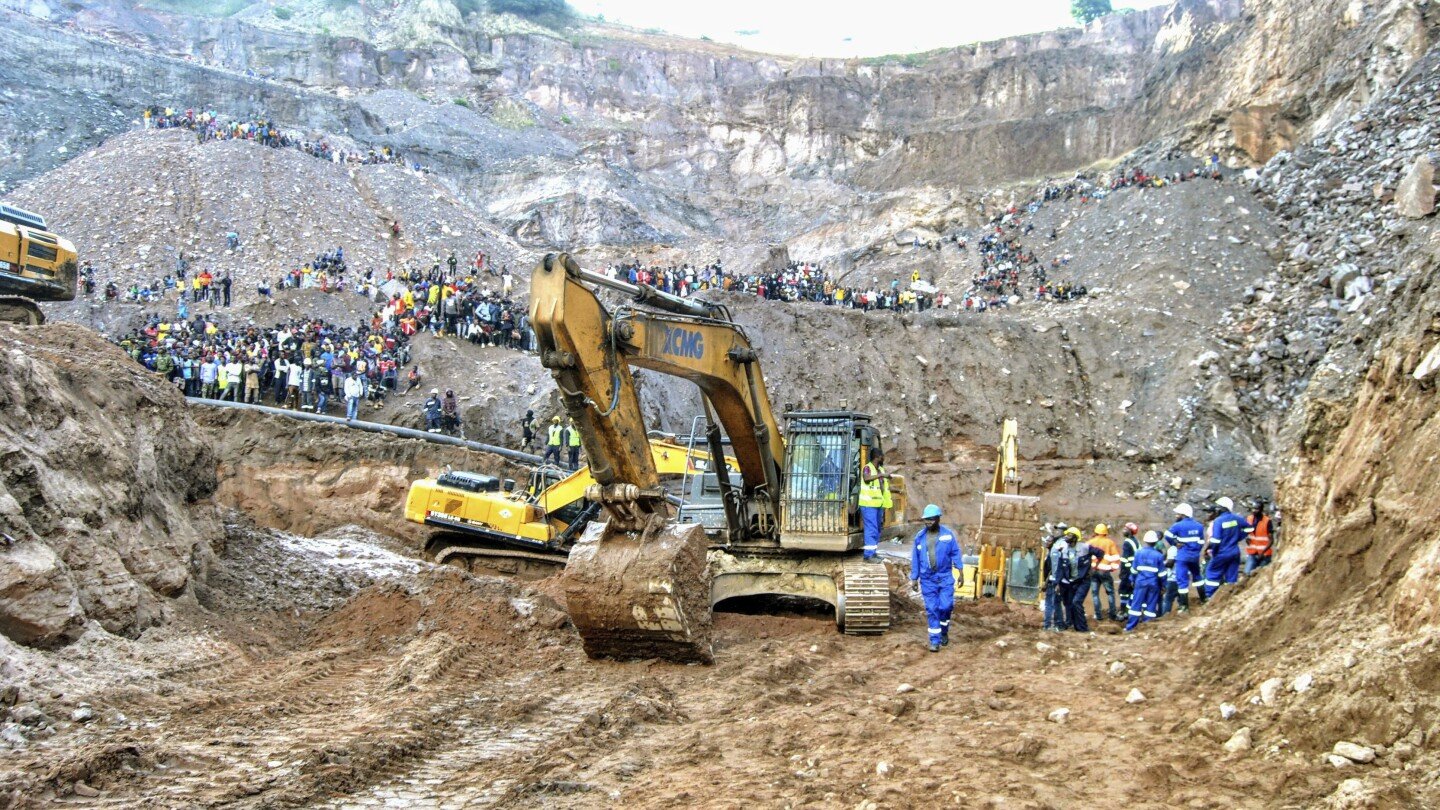
In February, a tailings dam at a Chinese-owned copper mine collapsed. According to an independent audit by Drizit Zambia Ltd., nearly 1.5 million tonnes of contaminated waste was released into the Kafue River system and surrounding land; about 30 times more than the amount the firm involved, Sino-Metals Leach Zambia, initially stated.
High volumes of lead, arsenic, cyanide and heavy metals have been discovered at dangerous levels in a release of toxins that has covered the ecosystems on which over half of Zambians rely. These pollutants have devastated the environment, decimated farmlands, and continue to pose significant health risks to communities across the country.
Over the last two decades, resource-rich Africa has witnessed the continual expansion of China’s economic activities. Africa’s copper belt, consisting of Zambia and the Democratic Republic of Congo (DRC) is one such example.
According to the Wilson Centre, in the DRC, China now owns 72 per cent of the copper and cobalt mines, two resources critical in the transition to renewable energies, with the Tenke Fungurume mine alone producing 12 per cent of the world’s cobalt. This is an effective monopoly that leaves the rest of the world with an increasing dependency on opaque mining operations that have the potential to get entangled in dubious labour rights records and environmental violations.
Many African States continue to welcome the much-needed revenue, infrastructure, and skills development that such resource extraction can provide. However, what has become increasingly evident is that the financial upside carries with it a heavy price; a price that has principally resulted in the slow erosion of control for African nations. Inevitably, Africa’s vulnerable communities and ecosystems have ended up bearing the heaviest burden.
China consistently promotes its resource extraction partnerships as ‘win-win,’ yet while there are numerous financial and infrastructural advantages to be gained from their cooperation, many examples point to unseen and unaddressed costs from their collaboration. In the DRC, illegal mining has had huge socio-environmental impacts across the eastern region of the country.
In Zimbabwe, the government has been undertaking investigations into Chinese gold mining facilities with regard to the impacts on the environment. Meanwhile, in Ghana, the government and China remain at loggerheads over degradation and deforestation also caused by the illegal extraction of gold.
Resource extraction is a vital component of Africa’s future economic growth, and many African States require partners with the financial and technical heft to support and develop their resource-based industries.
Countries like China have the ways and means to be such a partner, but in many cases, African resources are being extracted under conditions that appear reckless. This raises concerns of whether adequate due respect is being paid to host nations and the lands on which their people’s lives and livelihoods depend. Also at risk is the erosion of long-term benefits that African States theoretically have the potential to enjoy.
The trusted partners that African nations need in this sector must build growth through long-term planning and respectful collaboration. This should prioritise the development of domestic skills and ensure the protection of fair labour, traditions and ecosystems.
However, the reverse of this is sadly evident across the continent, where the human cost has been shocking. The failure of Africa’s partners to operate to the highest standards and reduce the impacts of their resource extraction has not become a side effect of their economic models but a feature of it.
Earlier this year, an illegal gold mine in Mali collapsed, killing more than 40 people. According to AFP and the BBC, the collapse happened at a facility formerly operated by a Chinese company, which reports imply was left abandoned in an unsafe state. Many such mines operate with little – if any – health and safety rules and regulations, with operators, who when challenged, appear indifferent to the consequences of their actions.
Africa, for over two centuries, has been victim to this legacy of resource exploitation, human rights abuses, and environmental mismanagement. And although today it is China in the spotlight, for much of the 19th and 20th centuries, colonial powers and transnational mining companies were responsible for calamitous atrocities.
Across the board, entities have exploited Africa’s weak institutions, policy deficiencies, and lack of regulatory enforcement. But these factors are common to nearly all of the developing world, and are factors which partners, rather than exploiting, should be working to address.
There are countless partners that African governments can select from for the extraction of their natural reserves. All of them are clamouring for Africa’s precious metals and rare earths and are driven to advance their own economies and technologies for such conveniences as electric vehicles and renewable technologies.
The power to negotiate these deals should sit with Africa’s governments, not their partners. The owners of these resources should have the monopoly over them, not the latter. Partners should be facilitating an extractive-model that promotes an ascent to the top, not a descent to the bottom.
African nations should themselves be the ones to dictate how African resources are extracted, and it should be made clear that foreign investors who stray from pre-determined principles do so at their own peril.
Across Africa, governments must start standing up for their people and their natural environments. However, as long as cash-strapped governments are offered deals with terms that seem too good to be true, this will be exceptionally difficult to accomplish.
What is required, is for African leaders to take a long-term view, and select partners that will operate on a basis of respect for future development and African sovereignty. Africa’s partners should be key enablers for this model of growth, but instead, they are intimating that they should not always be trusted to be as reliable and respectful as they profess.
It is time for African leaders to adopt an Africa-centric approach towards its resource-based partnerships, and to not forsake the generations of tomorrow, for those of today. If they do not, African countries will set themselves on a path that mirrors their colonial past.
Natasha Tisminieszky writes on International environmental relations.
Email your news TIPS to Editor@nairobilawmonthly.com, and to advertise with us, call +254715061658 anytime of the day
