
The Ethics and Anti-Corruption Commission (EACC) has revealed that women bear a disproportionate burden of corruption in Kenya, even as overall bribery levels continue to rise and public confidence in anti-corruption efforts declines.
According to the Kenya National Gender and Corruption Survey 2025, released on Thursday, women are more likely to encounter both monetary bribery and demands for sexual favours, yet remain less likely to report such incidents. The survey found that 8.4% of respondents experienced indirect requests for sexual favours, while 3.4% of women reported direct requests, four times higher than the 0.8% reported by men.
The findings highlight a broader trend of underreporting, with 98.6% of Kenyans who paid bribes in 2025 failing to report the incidents. Among the small proportion who reported, men accounted for 57.2%, compared to 42.1% of women. Many respondents cited inaction or discouragement from authorities as reasons for not pursuing complaints.
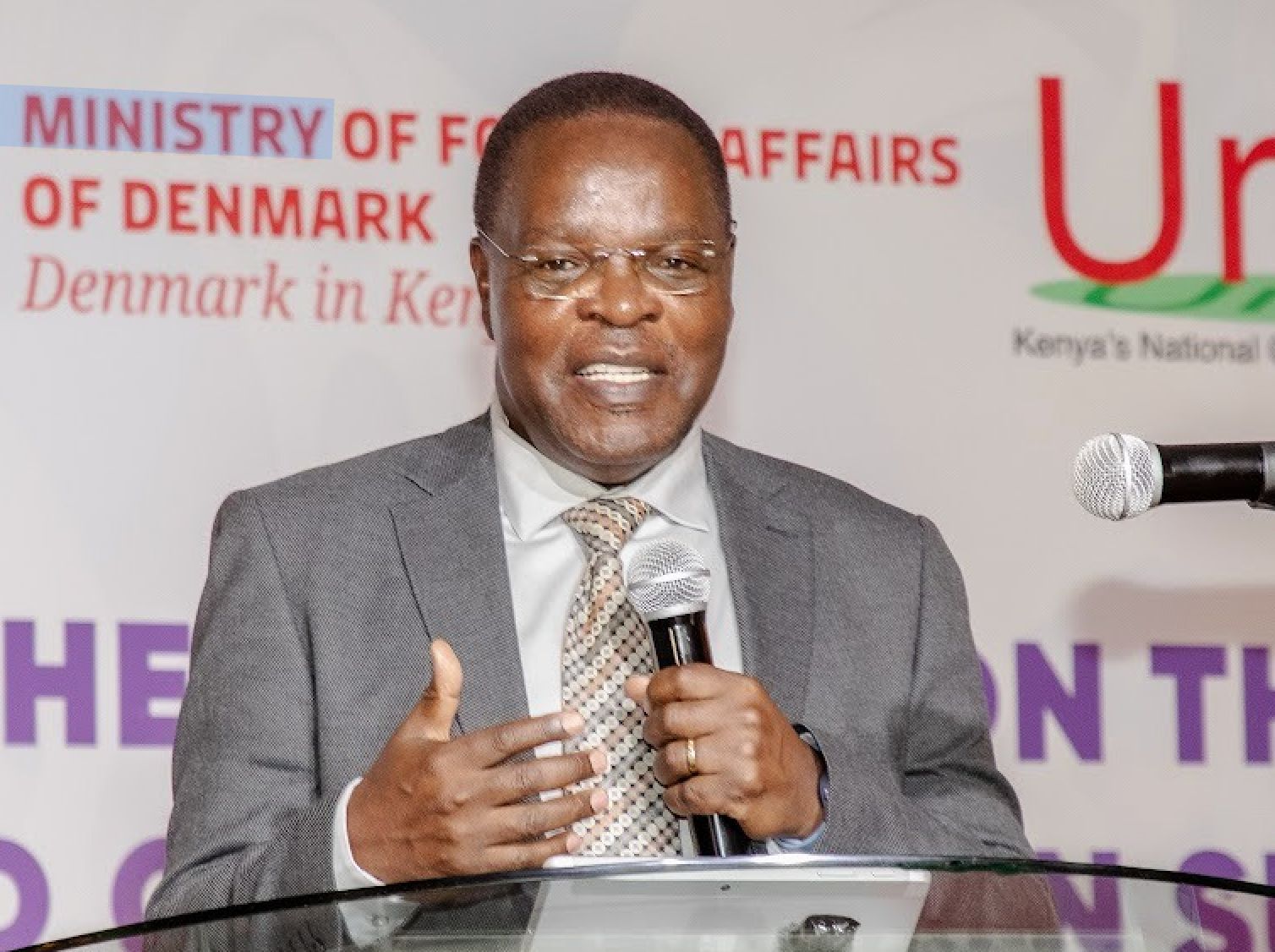
EACC Chairperson David Oginde noted the dual nature of corruption affecting women, observing that while they are disproportionately victimised at lower levels, they are increasingly implicated as facilitators in higher spheres of society.
Beyond the gendered impact, the survey also points to a general increase in bribery. The national average bribe rose from Kes4,878 in 2024 to Kes6,724 in 2025, underscoring what CEO Mr. Abdi Mohamud described as a significant escalation, adding that women are particularly disadvantaged in accessing essential services such as healthcare and employment.
Public confidence in the government’s anti-corruption efforts remains low. Only 14.6% of respondents expressed belief in the government’s commitment, while 73% said insufficient action is being taken.
The report identifies police officers (35.5%), civil registration officials (30.0%), and National Transport and Safety Authority (NTSA) officers (25.4%) among the leading recipients of bribes, with payments often made to expedite services, access opportunities, or avoid penalties.
Corruption also continues to impose a heavy financial burden on citizens. The survey indicates that Kenyans pay as much as Kes85,000 to secure government jobs, around Kes12,000 for passport processing, and approximately Kes1,900 for basic services such as driver’s licences and identity documents. Court magistrates recorded the highest average bribe at Kes164,367, while police officers remained the most frequent recipients.
Regionally, higher incidences of bribery were reported in Kakamega, West Pokot, Isiolo, and Vihiga counties, while Nyamira, Kilifi, and Baringo recorded relatively lower levels.
Speaking during the report’s launch at Safari Park Hotel, Public Service Cabinet Secretary Geoffrey Ruku reiterated the government’s commitment to tackling corruption in public service.
The Commission has recommended the adoption of gender-responsive anti-corruption strategies, improved confidential reporting mechanisms, and reforms in public service payment systems to reduce opportunities for graft.
Conducted in collaboration with the United Nations Office on Drugs and Crime, National Gender and Equality Commission, Kenya National Bureau of Statistics, and Transparency International Kenya, the study provides one of the most comprehensive gender-disaggregated datasets on corruption in the country.
Carried out between May and June 2025 across all 47 counties, the survey used a mixed-methods approach to capture both public and private sector experiences. It examines how corruption manifests across different groups, with a focus on gender, disability, and socio-economic status, and explores patterns in reporting, public awareness, and trust in anti-corruption measures.
It also responds to statutory obligations under the National Gender and Equality Commission Act, which mandates periodic reporting on the status of vulnerable populations, including women and marginalized groups.
Its findings are intended to guide evidence-based, gender-responsive anti-corruption strategies aligned with Kenya’s national development priorities and international commitments, particularly in improving transparency, accountability, and inclusive governance.
Email your news TIPS to Editor@nairobilawmonthly.com, and to advertise with us, call +254715061658 anytime of the day
