

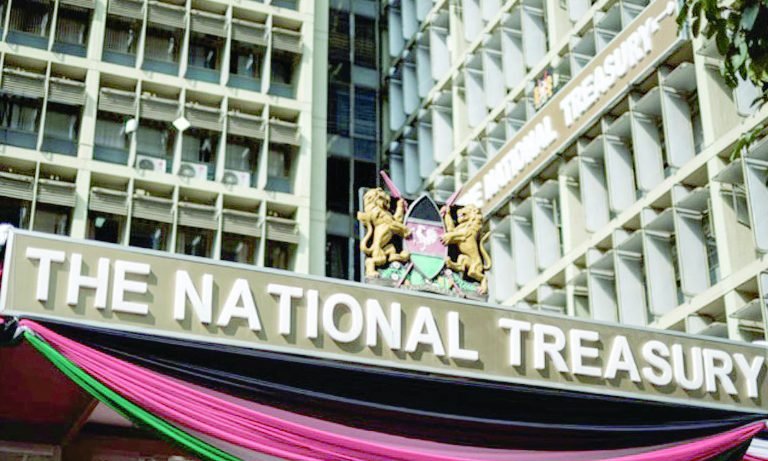
he National Treasury has invited Kenyans to provide feedback on the draft Kenya Sovereign Wealth Fund (KSWF) Bill, 2025, which seeks to establish a structured system for saving and investing national income from natural resources, state asset sales, and other revenue streams.
In a notice released on October 24, 2025, the Treasury cited the Constitution’s principles on governance and public finance, urging the public to submit written memoranda on the draft Bill. Submissions can be sent electronically or delivered to the Principal Secretary at the Treasury in Nairobi by November 7, 2025. The draft Bill and guidelines are available on the National Treasury website.

The proposed KSWF will be a state-owned entity overseen by the National Treasury and managed by an independent board of trustees responsible for investment oversight, reporting, and accountability. It will comprise three sub-funds: the Stabilisation Fund, the Strategic Infrastructure Investment Fund, and the Future Generations (Urithi) Fund.
The Stabilisation Fund will buffer the economy against revenue shortfalls and external shocks, while the Infrastructure Fund will finance large-scale projects in energy, manufacturing, housing, and transport. The Future Generations Fund will save for long-term national benefit.
The Treasury explained the Bill aims to “enhance national savings, stabilise the economy, and promote intergenerational equity,” ensuring resource revenues are invested sustainably rather than consumed entirely by the current generation.
Proceeds will be held in a Central Bank account and cannot be used as collateral for borrowing. Revenue sources include natural resources, divestments, royalties, and profits from petroleum and mineral ventures, with allocation flexibility granted to the Cabinet Secretary.
Governance and accountability are central to the Bill, requiring annual audits, independent investment evaluations, and parliamentary scrutiny. Treasury officials say the fund will support prudent public finance management, reduce reliance on external borrowing, and provide a fiscal safety net during economic downturns.
Financial analysts stress that strong governance, transparency, and strict fiscal discipline are critical for the fund’s success, given past concerns about public fund mismanagement and Kenya’s existing debt levels.
The public participation process allows citizens, institutions, and civil society to influence how Kenya’s wealth is preserved and invested. Once enacted, the KSWF is expected to strengthen economic governance, positioning Kenya among nations that secure their future through structured, transparent, and sustainable wealth management.
Email your news TIPS to Editor@nairobilawmonthly.com, and to advertise with us, call +254715061658 anytime of the day
