

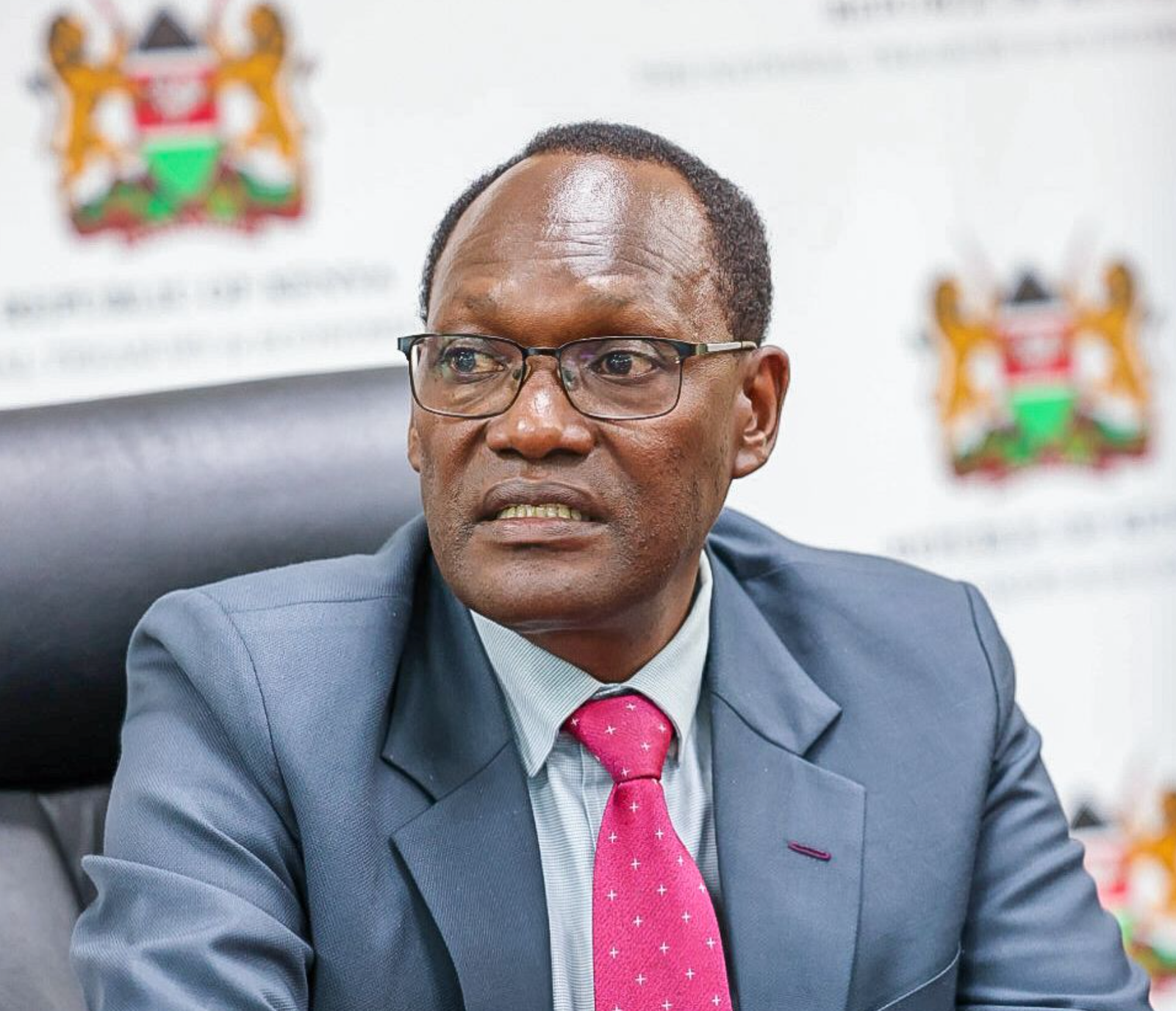
Kenya’s National Treasury has acknowledged that continued reliance on borrowing to finance government expenditure is no longer viable, as the State moves to cover a Sh1.12 trillion deficit in the 2025/26 financial year.
Appearing before the National Assembly’s Public Debt and Privatisation Committee, Principal Secretary Chris Kiptoo cautioned that, without firm fiscal discipline, the country risks deeper financial strain as existing loans fall due. He indicated that strengthening revenue collection and reducing expenditure pressures remain critical to stabilising public finances.

Government projections show total public debt could rise to Sh12.8 trillion, comprising both domestic and external borrowing. A significant share is expected to come from local lenders, increasing pressure on interest rates and the broader economy.
The widening deficit is partly driven by additional spending outlined in the first supplementary budget for the 2025/26 fiscal year. The revised estimates propose an increase of Sh245.9 billion to the initial Sh4.2 trillion budget approved in June 2025, further stretching already constrained resources.
According to documents presented to the committee, the deficit will be financed through a mix of domestic and foreign borrowing, with local financing taking the larger share. This approach places added responsibility on the Kenya Revenue Authority to expand the tax base and improve revenue collection in order to ease dependence on debt.
Lawmakers raised concerns over what they described as weak fiscal planning, pointing to inflated revenue projections and unplanned expenditures as key contributors to the growing debt burden. Members of the committee questioned the rationale behind increased spending amid stagnating revenues.
Further pressure on public finances is expected from obligations such as salary adjustments for security personnel, implementation of new pay agreements for teachers and civil servants, and additional funding to support tax collection efforts. Allocations have also been set aside to address funding gaps in health schemes and environmental programmes.
The Treasury also flagged several risks that could worsen the country’s fiscal outlook, including slower economic growth, exchange rate volatility, and rising obligations linked to State corporations and public-private partnerships. High pending bills and an expanding wage bill were also identified as ongoing challenges.
These developments highlight mounting concerns over Kenya’s debt sustainability, as the government balances growing expenditure demands against limited revenue growth.
Email your news TIPS to Editor@nairobilawmonthly.com, and to advertise with us, call +254715061658 anytime of the day
