

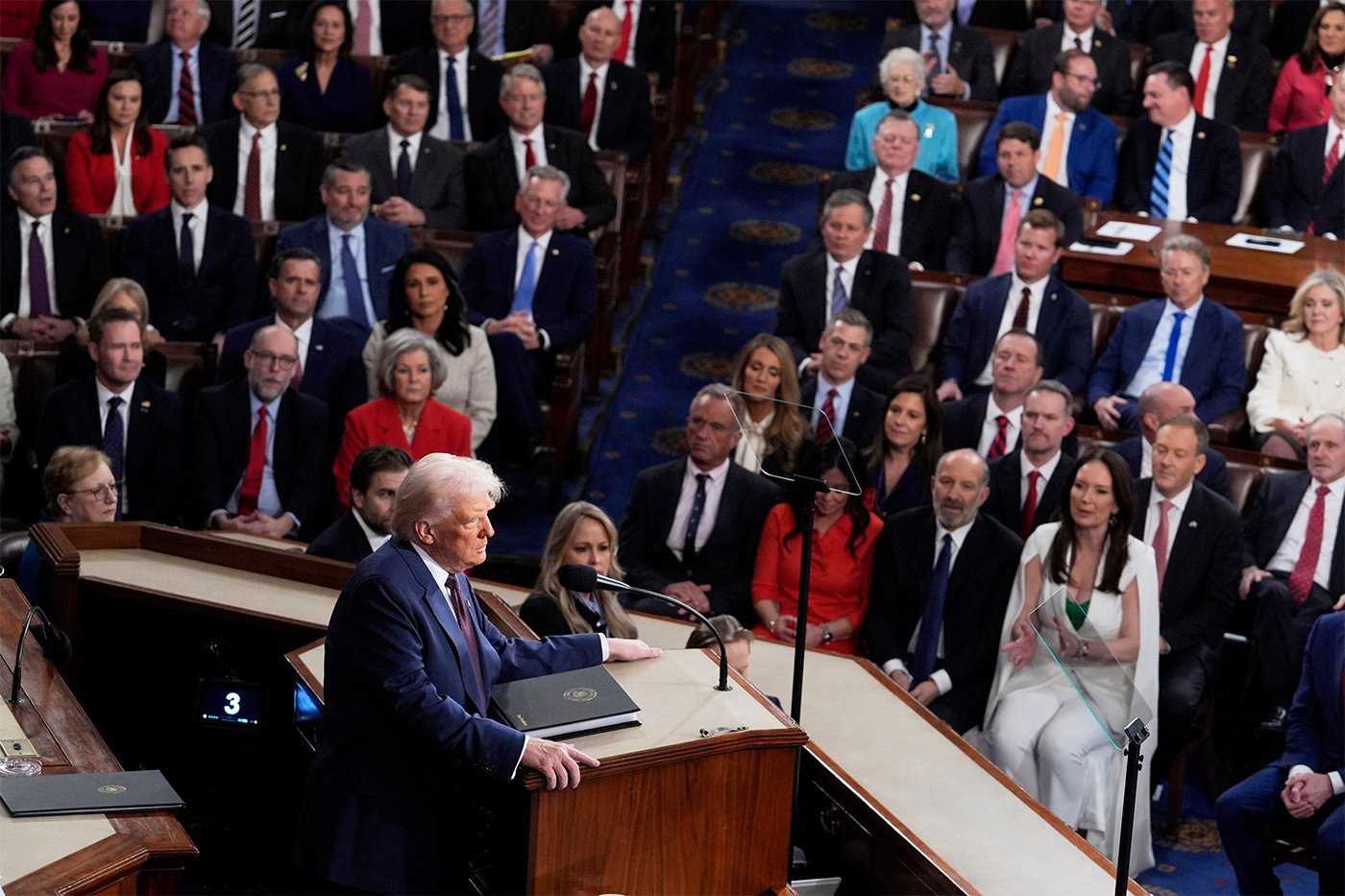
The United States Supreme Court has ruled against President Trump’s use of the International Emergency Economic Powers Act (IEEPA) to unilaterally impose sweeping tariffs on trading partners.
The ruling, which invalidates a significant portion of the administration’s tariff agenda, declares that the IEEPA statute was designed to regulate imports rather than to levy tariffs, a power that the Court asserted must be explicitly defined by U.S. Congress.
While the immediate analysis focuses on the Sh17.17 trillion ($133.5 billion) in tariff revenues now hanging in the balance and the potential refunds owed to U.S. companies, the decision offers a crucial window of stability for nations embedded in the global trade network.
For instance, Kenya, which has strategically positioned itself as a rising hub for textiles, agriculture, and technology, benefits from this invalidation. It removes a layer of uncertainty that has plagued transatlantic and transpacific commerce.
Had the tariffs stood under the IEEPA’s authority, the cost of doing business with the US could have escalated unpredictably, potentially undermining the preferential access exporters enjoy under frameworks like the African Growth and Opportunity Act (AGOA).
The Supreme Court has inadvertently preserved a more predictable environment for exporters to plan their next fiscal year by curtailing the executive’s power.
However, the ruling does not signal the end of protectionist pressures in Washington; it merely redirects them through a more bureaucratic and time-consuming procedure. The Trump administration is now expected to pivot toward other legislative tools, such as Section 232 on national security grounds or Section 301 targeting unfair trade practices, to achieve its tariff objectives.
This procedural shift buys Kenya among other countries critical time. As US authorities navigate these slower legal pathways, industries reliant on US markets for cut flowers, coffee, and manufactured goods can breathe a temporary sigh of relief.
The delay allows local producers to consolidate their supply chains and potentially attract foreign direct investment from Asian manufacturers looking to circumvent US tariffs by routing production through Africa, a trend that has already begun to benefit the country.
Also, for the burgeoning technology sector and its aspirations in the global AI trade, the financial relief generated by this ruling could have a downstream effect. With American tech firms potentially receiving substantial refunds on previously paid tariffs, the freed-up capital is likely to reinvigorate investment in innovation and global sourcing.
For the tech start-ups and firms as well as business process outsourcing (BPO) firms, this could translate into renewed contracts, funding, and partnerships as US companies look to optimize costs outside of China.
This reprieve has been met with immediate resistance from the White House. In a swift counter-move following the Court’s decision, President Trump announced new 15% baseline tariffs on imports, invoking Section 122 of the Trade Act of 1974.
This raises the tariffs from the 10% global baseline tariff. Unlike the open-ended authority Trump sought under IEEPA, Section 122 is explicitly limited, permitting tariffs of up to 15% for a maximum of 150 days to address balance-of-payments deficits.
The statute grants the president clear authority, but its unprecedented invocation raises immediate legal questions, and the administration’s willingness to test untested statutes signals a prolonged period of trade instability.
While the Supreme Court’s intervention corrects a constitutional overreach and recalibrates the flow of global capital in a way that keeps emerging markets like Kenya in the game. President Trump’s move is set to see a lot of countries including Kenya, caught in the crossfire of a wider constitutional confrontation. As long as this goes on, the competitiveness of many African products will continue to be threatened in the U.S market.
Email your news TIPS to Editor@nairobilawmonthly.com, and to advertise with us, call +254715061658 anytime of the day
