

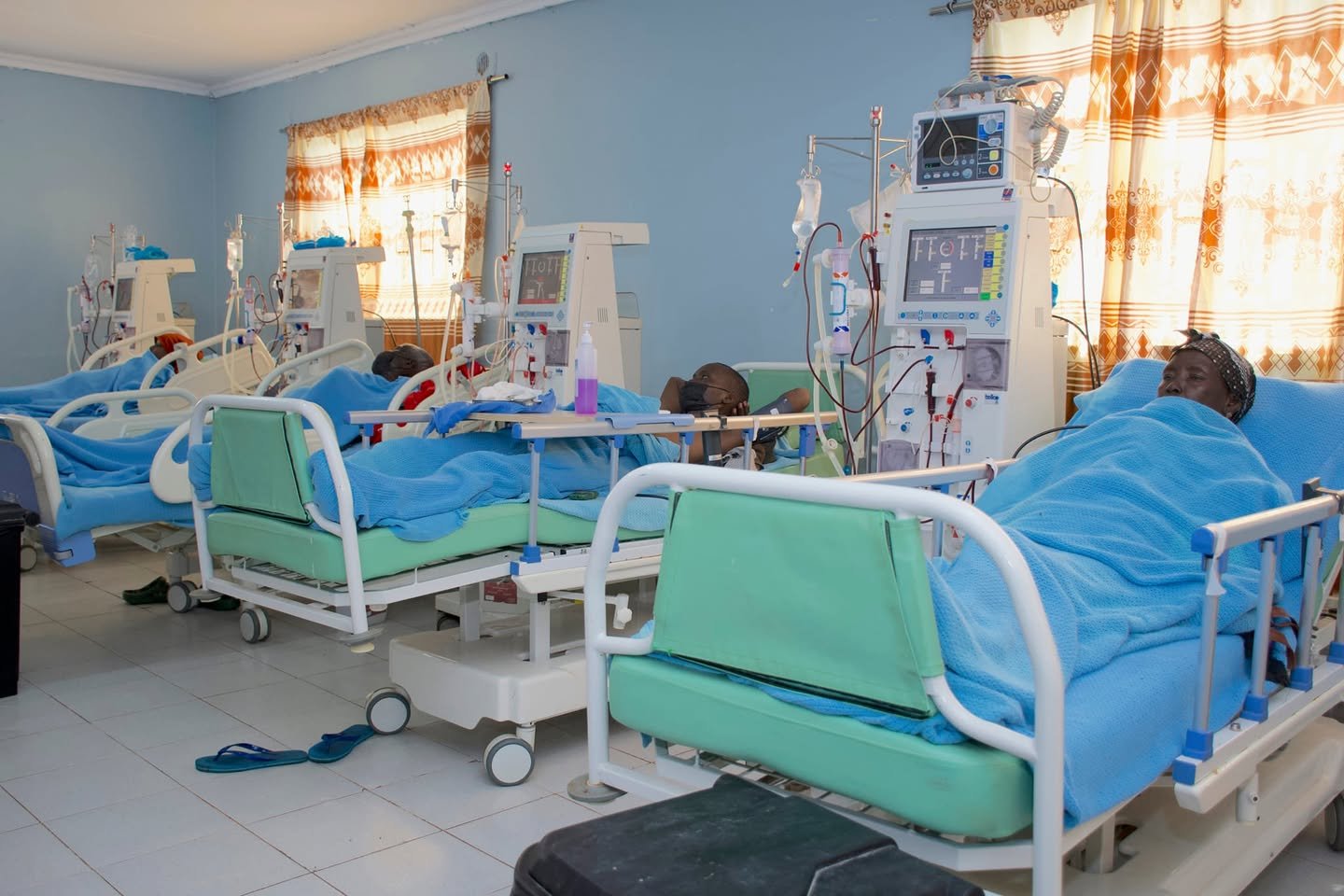
Public health services in Marsabit County have been paralysed for nearly a month as clinical officers continue their strike over unpaid salaries and unfulfilled employment promises. These healthcare workers, represented by the Kenya Union of Clinical Officers (KUCO), say they have gone three months without pay, leaving them struggling to meet basic needs while hospitals remain deserted.
Speaking during a press briefing in Marsabit town, KUCO branch officials described the situation as dire, accusing the County Government of failing to honour agreements meant to end previous strikes. The union’s branch chairperson, Abdishukri Adan, said the officers are now overwhelmed by financial hardship and disappointment.

“For three months, we have worked without pay. We also have no medical cover, and our statutory deductions have not been remitted for more than 20 months,” Adan lamented. “We suspended a previous strike in good faith after signing a return-to-work deal, but the county has gone silent again.”
He noted that health services across Marsabit have been severely disrupted, with patients turned away from dispensaries and hospitals that have remained closed since the strike began. In rural areas, residents seeking medical help now travel long distances to access basic treatment.
At Marsabit Referral Hospital, the impact of the strike is clear. Wards that were once busy are now quiet, and only a few emergency services are being handled by volunteers. The officers stress that they are not demanding new benefits but only the implementation of previously agreed terms: regular pay, career progression, and promotions.
- Private hospitals stop SHA services amid payment crisis
- Teachers’ private healthcare at risk over Sh10bn SHA debt
KUCO Marsabit Secretary Daki Duba accused the county administration of breaching two separate agreements, one signed in July 2024 and another in April 2025. “We have shown patience and signed two return-to-work formulas, but the county keeps breaking its promises,” Duba said. “We will not sign another agreement until all our demands are met. Enough is enough.”
He added that trust between healthcare workers and county leadership has eroded, making further negotiations difficult. “We cannot keep signing documents that the employer has no intention of honouring,” he said.
The crisis has also taken a personal toll on medics. KUCO Treasurer Shukri Ibrahim shared the story of a colleague battling stage four cancer, who has gone months without pay and relies on contributions from fellow officers to afford treatment. “He has no medical insurance and is fighting for his life with the help of fundraisers. It is painful to see one of our own suffering like this,” Ibrahim said.
Another clinical officer based in Laisamis is reported to be struggling with tuberculosis and cannot afford medication. Such cases highlight the harsh irony of health workers who are expected to care for others while going without care themselves.
Residents of Marsabit have been left vulnerable as hospitals run out of essential medicines and staff. Pregnant women, children, and the elderly are the most affected, with several health facilities forced to shut down completely.
The clinical officers are urging Governor Mohamud Ali to intervene and resolve the deadlock. They demand prompt payment of outstanding salaries, reactivation of medical coverage, and full enforcement of the employment agreements they have reached.
“Our appeal to the governor is to act now,” Adan said. “If this situation continues, the county’s healthcare system may collapse beyond repair.”
As the strike enters its fourth week, both the medics and the residents of Marsabit remain trapped in uncertainty, waiting for a solution that could restore life to the county’s ailing health sector.
Email your news TIPS to Editor@nairobilawmonthly.com, and to advertise with us, call +254715061658 anytime of the day
