

The United States and Iran have both indicated they are close to reaching a final deal in their memorandum of understanding, but trod cautiously amid looming threats of ongoing conflict from both sides.
US President Donald Trump said on Saturday he had a “good call” with Gulf leaders, Pakistan, Egypt, Turkiye and Jordan concerning Iran and “all things related to a memorandum of understanding pertaining to peace”.
An agreement has been “largely negotiated subject to finalization between the US, Iran and various countries”, he said, adding it “will be announced shortly”.
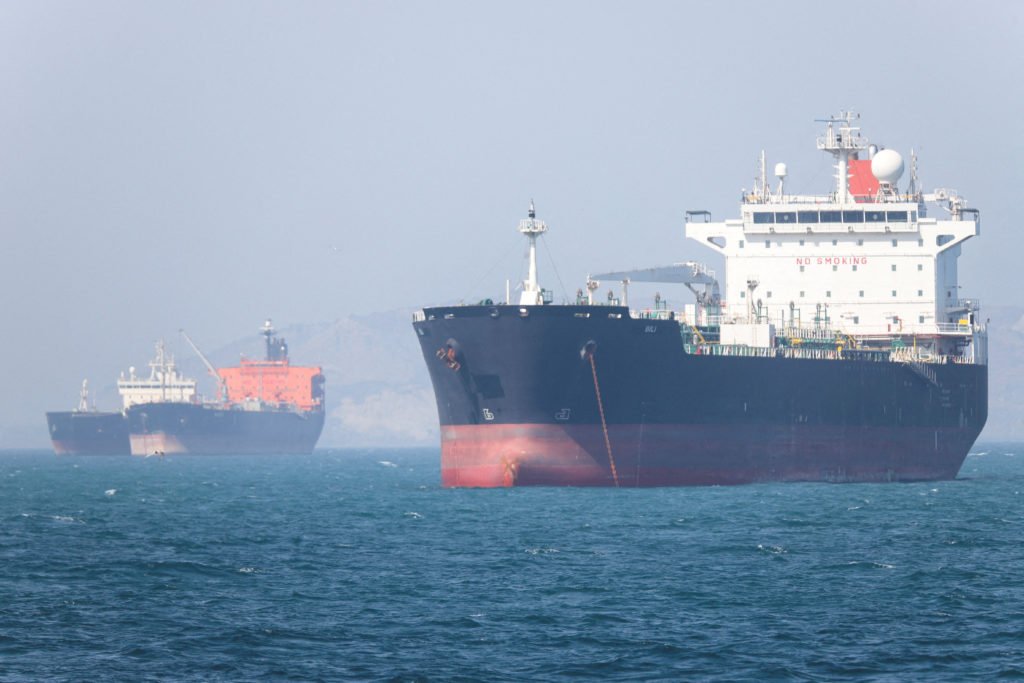
“In addition to many other elements of the agreement, the Strait of Hormuz will be opened,” he said.
US Secretary of State Marco Rubio, who was visiting India, said at a news conference that some progress has been made in the past 48 hours on an outline that could resolve the situation in the strait, Al Jazeera reported on Sunday.
Rubio reaffirmed the US position that Iran can never have a nuclear weapon, saying negotiations on this issue were taking place and would require Tehran’s acceptance and compliance.
Iran’s Foreign Ministry had earlier confirmed the government was in the “finalization stage” of the memorandum of understanding, saying the topics discussed at the current stage focused broadly on ending the war, halting the US naval aggression and the unfreezing of Iran’s blocked assets, the Mehr News Agency reported.
A draft of the potential peace deal demands the US and its allies, including Israel, commit not to attack Iran and its allies under any circumstances, Iran’s Fars News Agency reported on Sunday.
“In return, Iran has pledged that neither the country nor its allies will launch preemptive military attacks on the United States and its allies,” said the report, which Fars said was based on an explicit text of the draft agreement.
The potential deal would include Iran’s commitment that it will not pursue a nuclear weapon, and Tehran has agreed to give up its stockpile of highly enriched uranium, two regional officials said, as reported by The Associated Press.
One official, with direct knowledge of the talks, said how Iran would give up its highly enriched uranium would be subject to further negotiations over the course of a 60-day period.
It is highly likely that a part of the amount would be diluted, while the rest would be transferred to a third country, potentially Russia, the official said.
Meanwhile, Pakistani Prime Minister Shehbaz Sharif appreciated Trump’s efforts to pursue peace.
“The discussions provided a useful opportunity to exchange views on the current regional situation and how to move the ongoing peace efforts forward to bring lasting peace in the region,” Sharif said.
“Pakistan will continue its peace efforts with utmost sincerity and we hope to host the next round of talks very soon,” he added.
Support for talks
Other leaders also expressed support for the negotiations.
British Prime Minister Keir Starmer said he welcomes the “progress toward an agreement between the US and Iran”.
“We need to see an agreement that brings the conflict to an end and reopens the Strait of Hormuz, with unconditional and unrestricted freedom of navigation,” he said, adding that they will work with international partners “to seize this moment and achieve a long-term diplomatic settlement”.
Turkish President Recep Tayyip Erdogan said Turkiye “always favors the resolution of problems through dialogue and diplomacy”. He welcomed the progress in US-Iran talks and an agreement to secure free passage through the Strait of Hormuz, which would support regional stability and provide relief to the global economy.
Erdogan said Ankara stands ready to provide any support during the implementation phase of a potential agreement between the US and Iran.
– China Daily
Email your news TIPS to Editor@nairobilawmonthly.com, and to advertise with us, call +254715061658 anytime of the day
