

A major United States–Iran agreement being presented as a regional peace deal is being hailed in Washington as a breakthrough, but there is still uncertainty over what it will change in practice across the Middle East.
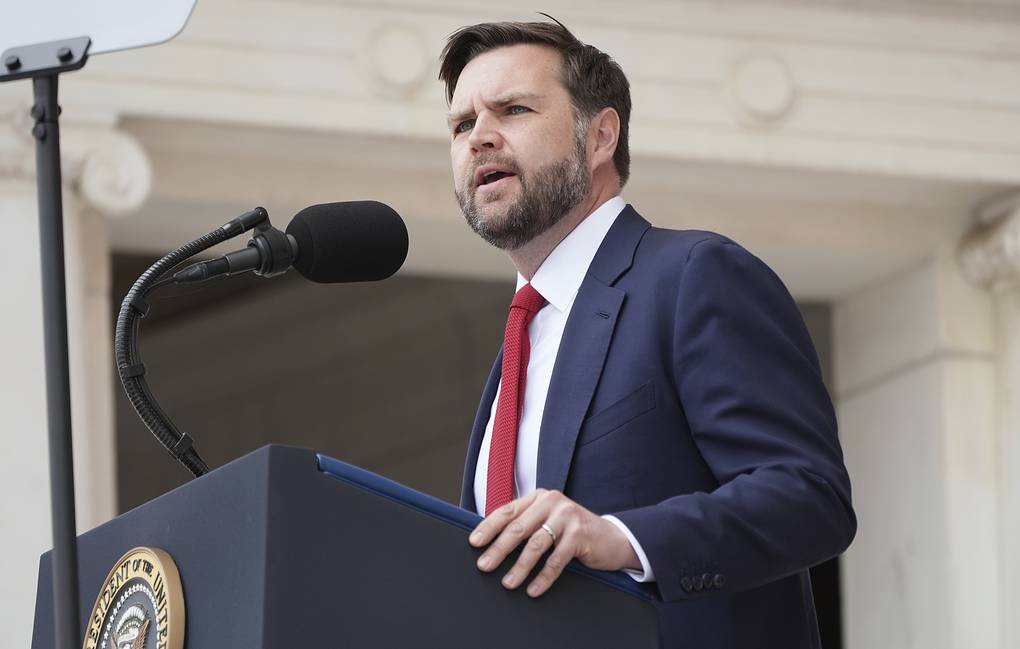
US Vice President JD Vance said on Tuesday the agreement goes beyond the United States and Iran, and is intended to include Israel, Lebanon and Gulf countries. Speaking in an interview with US media, he described it as a “true regional peace deal”.

“It is a regional peace deal. It’s going to include the Gulf, it’s going to include Israel, it’s going to include Lebanon,” Vance said.
The announcement follows confirmation from officials in the United States, Iran and Pakistan, which has been acting as a mediator, that an agreement has been reached to end a conflict that began on February 28 and has lasted more than 100 days. The deal is expected to be signed in Geneva on June 19 after a series of preparatory meetings.
Pakistan’s Prime Minister Shehbaz Sharif said Qatar, Saudi Arabia and Türkiye were among the regional powers that helped facilitate the talks. He said further technical discussions would take place before the signing ceremony.
Officials say the agreement has already been endorsed through a virtual process involving US President Donald Trump, Vice President Vance and Iranian parliamentary leadership.
Details remain limited, but one of the key points confirmed so far is the planned reopening of the Strait of Hormuz, a vital global shipping route for oil that has long been tied to regional tensions. US officials say maritime restrictions will be lifted in stages as part of efforts to stabilise energy flows.
President Trump called the agreement a breakthrough, saying it would allow oil to move more freely across the region and beyond. He also said it marked a rare successful attempt to reach peace with Iran after earlier efforts had failed.
Vance said the deal could signal the start of a new phase in the region and expressed confidence that Iran would not obtain nuclear weapons under the agreement. He also suggested that energy prices could ease if stability holds.
Despite the upbeat messaging from Washington, other regional players are not signalling major shifts on the ground. Israel’s Defence Minister Israel Katz said Israeli forces would remain deployed in Lebanon, Syria and Gaza, citing ongoing security concerns.
He said the presence of troops was necessary to protect Israeli borders and communities from militant threats.
The signing in Geneva on June 19 will now be the first test of whether the deal moves beyond statements and begins to alter the realities of one of the world’s most volatile regions.
Email your news TIPS to Editor@nairobilawmonthly.com, and to advertise with us, call +254715061658 anytime of the day
