
The National Cohesion and Integration Commission (NCIC) has directed Public Service Cabinet Secretary Geoffrey Ruku and Mukurweini MP John Kaguchia to withdraw and correct remarks it found capable of fuelling ethnic and political divisions.
The commission issued separate determinations concerning the two leaders, ordering Mr Ruku to stop repeating or promoting remarks it characterised as collective ethnic blame, while Mr Kaguchia was directed to retract his statements, apologise publicly and affirm the right of Kenyans to support political leaders of their choice without intimidation or exclusion.
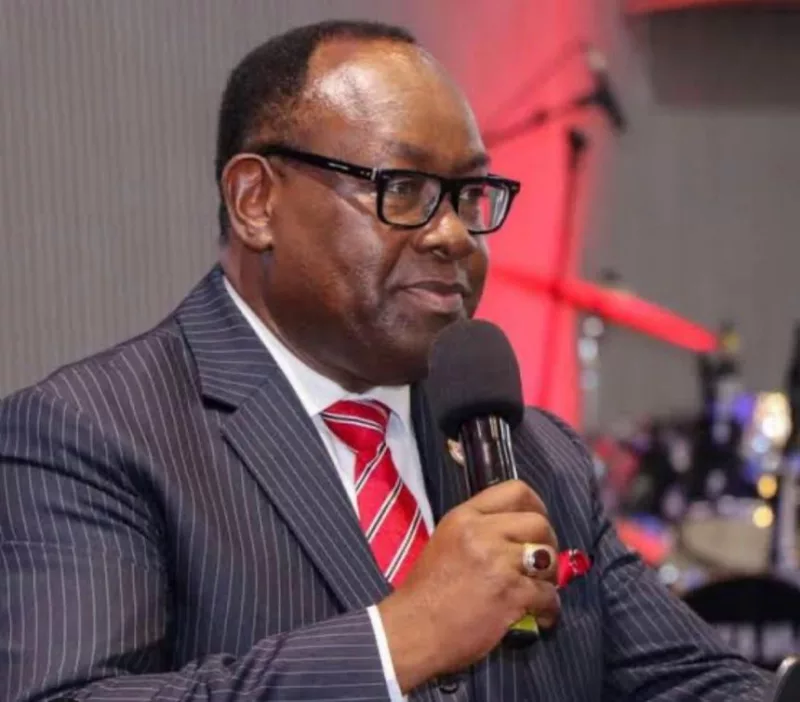
NCIC chairman Bishop Kepha Omae said Mr Ruku’s remarks, made in Tharaka-Nithi, went beyond advocacy for equitable development and amounted to ethnic generalisation and collective blame.
“We found that the express references to Kikuyu people, the assertion that people in Mt Kenya West thought Kenya belonged to them, and the use of ethnic surnames turned institutional grievances into collective ethnic blame. The remarks demeaned the equal standing of the Kikuyu people, undermined harmonious relations and failed to respect their rights and reputation,” Dr Omae said.
Mr Ruku admitted making the remarks when he appeared before the commission on September 1. He argued that the Constitution protects ethnic identities and allows communities to push for equitable development and representation in public appointments. He also maintained that his reference to stepping on someone’s neck was political language intended to describe political defeat rather than physical harm.
NCIC, however, said political advocacy did not exempt a Cabinet secretary from the requirements of the Constitution and the National Cohesion and Integration Act. The commission has ordered Mr Ruku to cease repeating, publishing or endorsing the remarks.
- Mukurwe-ini MP John Kaguchia arrested over rally remarks
- Kindiki, Ruku clash over calls to split Mt Kenya political base
It also directed him to publicly withdraw, in both Kiswahili and English, claims that Kikuyu people regard Kenya as their property or are collectively responsible for disparities in development and public appointments.
The second determination concerned Mr Kaguchia and remarks he made at a political gathering in Kieni, Nyeri County. NCIC found that his comments went beyond political persuasion and amounted to intimidation and coercion.
According to the commission, Mr Kaguchia called for supporters of President William Ruto, whom he referred to as supporters of Kasongo, to be identified, traced and removed from beneath their beds. He also spoke about keeping records of people supporting the President and withholding communal assistance from them during funerals, dowry ceremonies and periods of illness.
The remarks led to both a criminal case and an inquiry by NCIC. Mr Kaguchia was arrested on August 3 and subsequently charged at the Milimani Law Courts with offensive conduct. During the NCIC proceedings, the MP disputed the English translation of his remarks and asked that the original Kikuyu speech be played and interpreted.
He argued that the translation presented to the commission did not accurately convey what he had said. The commission rejected the challenge, saying it relied on a certified translation together with the recording when assessing the remarks.
NCIC concluded that using communal relationships to enforce political allegiance created a foreseeable risk of intimidation, social exclusion and disruption of peaceful political participation. Mr Kaguchia has consequently been ordered to issue a public retraction, apology and corrective statement in Kikuyu, Kiswahili and English.
The commission said the communication should have prominence and reach reasonably comparable to his original remarks. He must also affirm publicly that Kenyans have the right to support any political leader or candidate without being intimidated or excluded from communal activities.
Dr Omae urged political leaders to exercise restraint in their public engagements as the country approaches the 2027 General Election. “Let us all be peace ambassadors in all our engagements. We have a shared responsibility to do that,” Dr Omae said.
The commission has given the two leaders seven days to comply with the prescribed measures or face further action.
Email your news TIPS to Editor@nairobilawmonthly.com, and to advertise with us, call +254715061658 anytime of the day
