

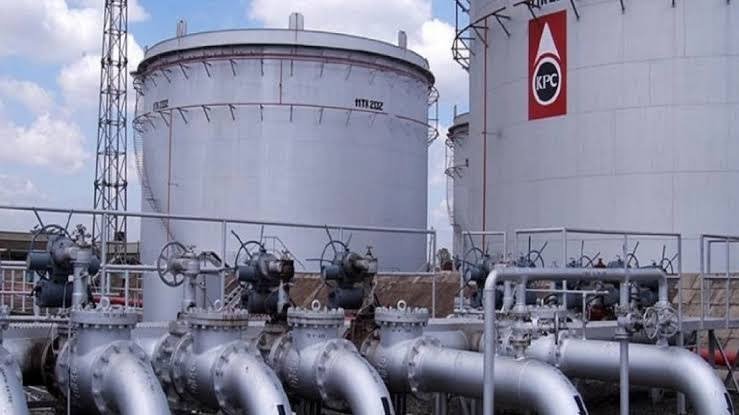
Kenya Pipeline Company (KPC) has reported a strong set of results for the 2025/2026 financial year ended 30 June 2026, its first year as a listed company following the privatisation of the business and its admission to the Nairobi Securities Exchange earlier this year.
KPC’s consolidated audited financial results for the 2025/26 financial year show that profit after tax rose by 13% to Sh11.58 billion, up from Sh10.24 billion recorded in the previous financial year. The company’s total revenue increased by 9% to Sh42.98 billion, compared with Sh39.50 billion in the 2024/25 financial year.

Transport revenue of Sh41.82 billion accounted for the majority of the company’s income, with local and transit volumes rising by 7%. However, the gains were partially offset by higher direct costs associated with maintenance and electricity. Transport revenue increased from Sh38.59 billion in the previous financial year.
Despite higher expenses, gross margin increased from Sh31.06 billion to Sh33.81 billion. Earnings before interest, taxes, depreciation and amortisation (EBITDA) rose from Sh22.55 billion to Sh24.95 billion, while operating profit, defined as earnings before interest and tax, increased from Sh16.11 billion to Sh17.21 billion. Meanwhile, profit before tax rose to Sh17.54 billion, up from Sh16.17 billion in the previous year.
Total assets grew by 6.5% to Sh149.27 billion, while shareholders’ equity rose by 11% to Sh119.33 billion, from Sh107.92 billion. Cash and cash equivalents increased by 84% to Sh20.54 billion at the end of the financial year, up from Sh11.14 billion in June 2025. Cash generated from operations rose by 34% to Sh17.39 billion.
Borrowings declined sharply by 83% to Sh442.86 million, from Sh2.66 billion, as the company accelerated its debt reduction strategy.
The company believes the results reflect a successful response to the challenges associated with operating as a publicly quoted company with diverse ownership.
KPC Acting Managing Director Pius Mwendwa said growth in revenue, operating efficiencies and increased product availability were key drivers of the performance. Board Chair Faith Bett-Boinett expressed confidence that the transition to a listed company would drive value for stakeholders.
KPC aims to increase revenues to Sh68 billion by 2030. The company plans to expand storage capacity, develop a petroleum trading arm and explore business opportunities in liquefied petroleum gas, liquefied natural gas, biofuels and power generation.
There are also plans to develop a petroleum trading centre at Kenya Petroleum Refineries Ltd in Mombasa and consider further pipeline extensions to better meet the needs of the East African region.
KPC operates one of the largest and most reliable petroleum product transportation networks in East Africa, with approximately 1,342 kilometres of pipeline, as well as pumping and loading facilities in Kenya and connected countries.
During the year under review, the company transported around 10.61 million cubic metres of petroleum products. Approximately half were destined for domestic customers, with the remainder split between Uganda and other countries.
The proposed dividends and strong cash generation offer an attractive outcome for shareholders and will help fund ongoing capital expenditure on infrastructure resilience and new projects. The company also plans to expand its network and diversify its revenue streams.
KPC’s first full year as a listed company has delivered strong results for its core transportation and storage business, while demonstrating its commitment to growing revenue from other sources in the future.
– By John Murunga
Email your news TIPS to Editor@nairobilawmonthly.com, and to advertise with us, call +254715061658 anytime of the day
