


Kenya has regained access to the Sudanese tea market after Khartoum lifted a 20-month import ban that disrupted exports, stranded shipments in Mombasa and cost traders a lucrative market.
The reversal follows diplomatic engagements between President William Ruto and Sudanese Prime Minister Kamil Idris, reopening a market that bought Kenyan tea worth $29.6 million (Sh3.8 billion) in 2023.
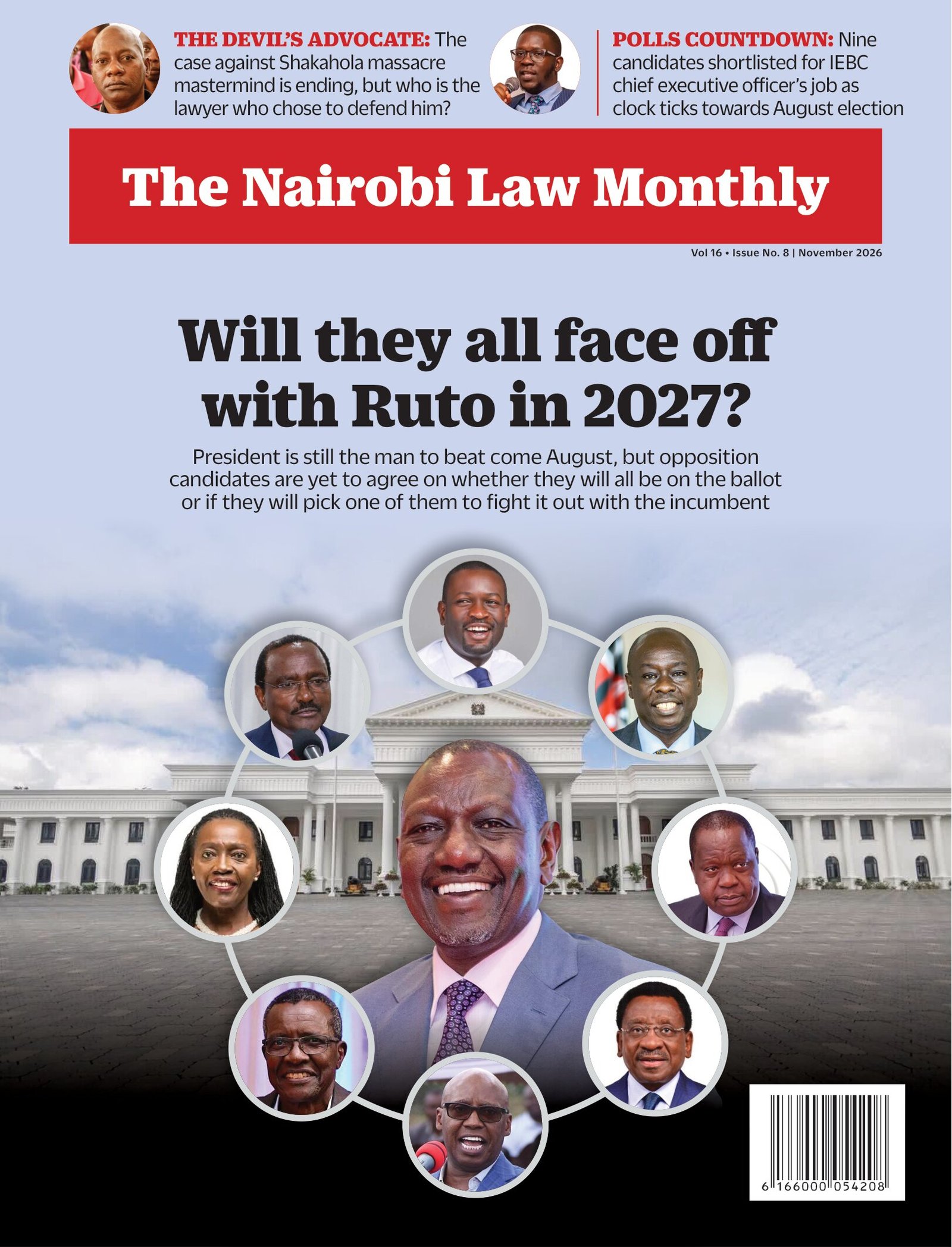
Dr Ruto said he secured the breakthrough during a meeting with Mr Idris last month on the sidelines of the Common Market for Eastern and Southern Africa (Comesa) summit in Harare, Zimbabwe.
“Kenya welcomes and appreciates this decision, which reopens an important market for our tea, restores opportunities for our exporters and supports the livelihoods of our farmers and their families,” said Dr Ruto.
The value of Kenyan tea exports to Sudan has fallen sharply since the diplomatic fallout. Shipments dropped from 15.9 million kilogrammes in 2023 to 7.61 million kilogrammes worth $11.33 million in 2024. In 2025, exports stood at 6.8 million kilogrammes valued at $11.62 million.
Sudan imposed the restriction in March 2025 after Kenya hosted Mohamed Hamdan Dagalo, popularly known as Hemedti, leader of the paramilitary Rapid Support Forces (RSF), and other political and armed groups in Nairobi in February that year.
The groups signed a political charter and transitional constitution seeking to establish a parallel authority in Sudan, which is embroiled in a war between the RSF and the Sudanese Armed Forces.
Khartoum accused Nairobi of providing political backing to the RSF, viewing the meetings as an affront to its sovereignty. Kenya maintained that it was providing a platform for dialogue.
- Sudan rejects US sanctions over alleged chemical weapons use
- Sudan set to rejoin East African bloc, ending two-year hiatus
- Sudan accuses Kenya of supporting terrorism by hosting RSF summit
Sudan first recalled its ambassador before suspending imports from Kenya through its ports, airports and land crossings on March 13.
The ban left exporters with limited options for redirecting tea originally destined for Sudan. By August 2026, more than 3.44 million kilogrammes worth over $10.3 million (Sh1.34 billion) were reportedly still held in Mombasa warehouses.
Traders also struggled to find alternative markets for particular grades, especially BP1, which had traditionally attracted strong demand from Sudanese buyers.
Efforts to restore trade gathered pace in August when Sudan’s ambassador to Kenya, Kamal Gubara, met tea industry representatives in Nairobi and indicated that Khartoum was open to resuming trade discussions. By late October, he said the process of lifting the restriction had reached its final stages.
Sudan’s Minister of Industry and Trade, Mahasin Yaqoub, announced the lifting of the ban following a Cabinet resolution in Khartoum on November 8, 2026.
“This progress demonstrates what dialogue and constructive diplomacy can achieve. We look forward to strengthening our bilateral relations, expanding trade and working together for peace, stability and shared prosperity in our region,” Dr Ruto said.
Email your news TIPS to Editor@nairobilawmonthly.com, and to advertise with us, call +254715061658 anytime of the day
