

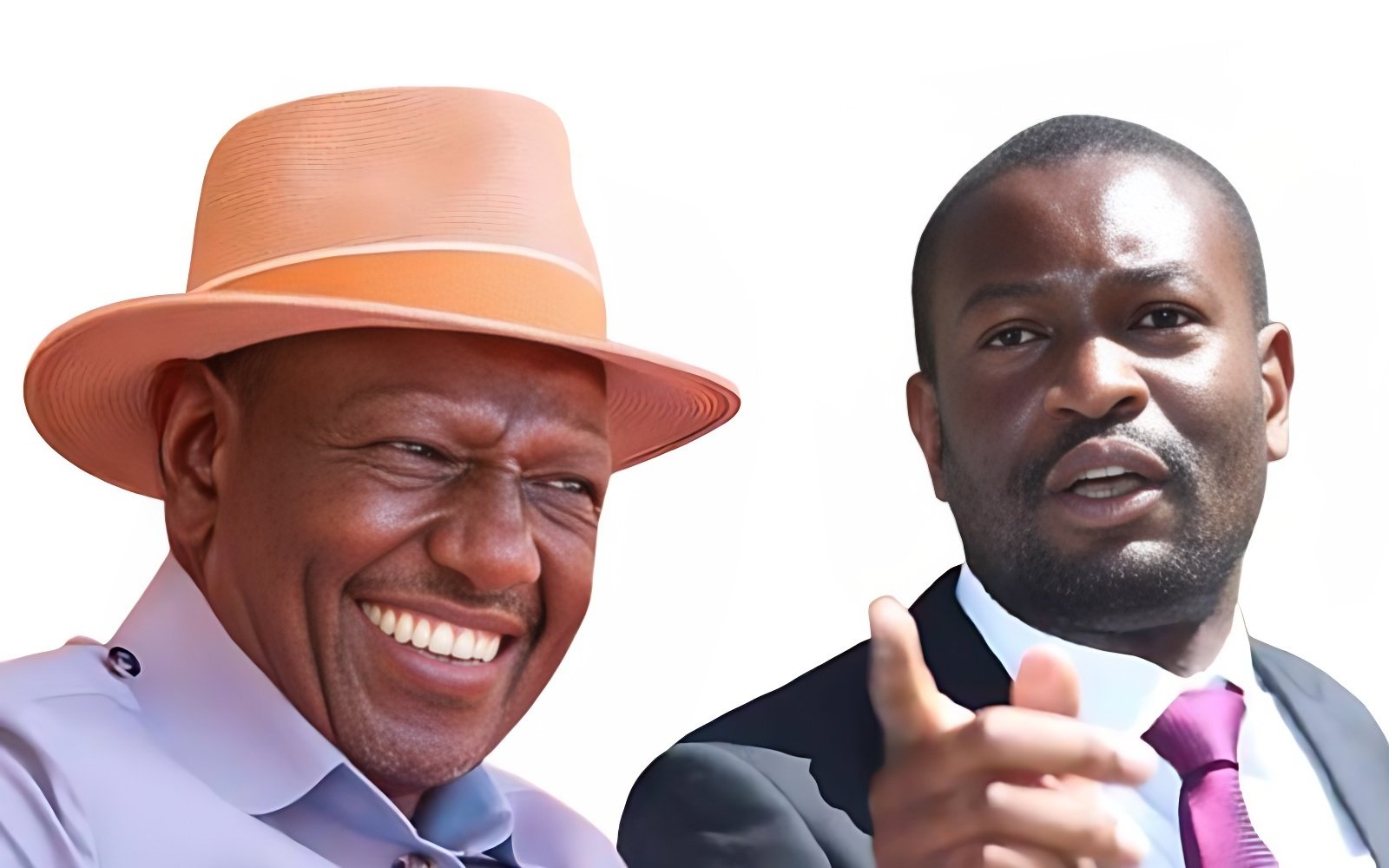
President William Ruto and Nairobi Senator Edwin Sifuna have emerged as joint front-runners in Kenya’s 2027 presidential race, each commanding 31 per cent support, according to a new national survey released by TIFA Research on November 12, 2026.
The findings, based on face-to-face interviews with 2,036 randomly selected adults across all 47 counties, were collected between October 26 and November 5, 2026, and point to a significant shift in the country’s early electoral landscape.
Ruto’s support has risen from 18 per cent to 31 per cent, while Sifuna, who recorded no measurable support in surveys conducted between 2022 and 2025, has registered a remarkable surge. His support rose from 10 per cent in May to 15 per cent in June 2026 before reaching 31 per cent in the latest survey.
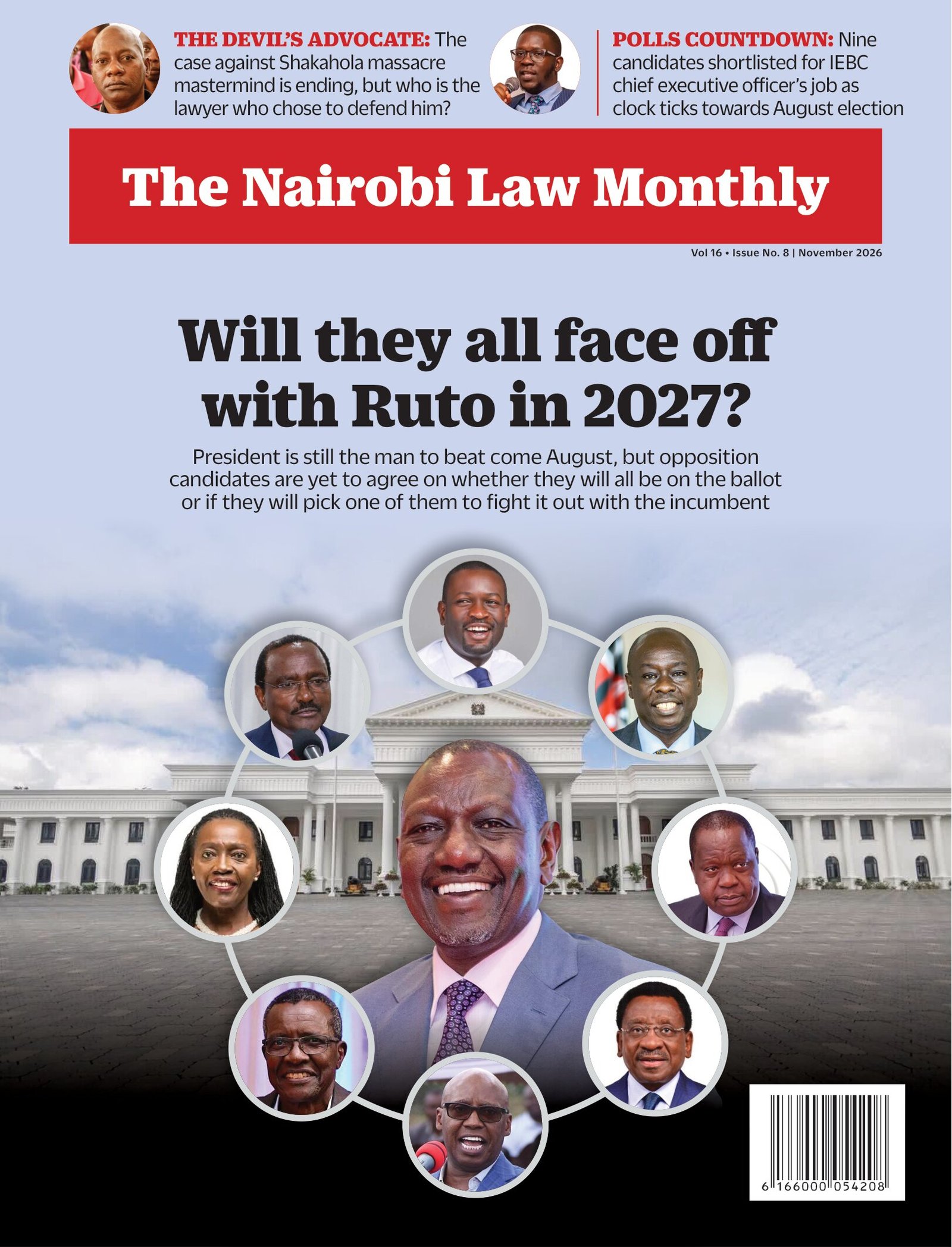
Wiper Party leader Kalonzo Musyoka follows at 9 per cent, down from a high of 25 per cent in November 2025. Former Interior Cabinet Secretary Fred Matiang’i commands 5 per cent, compared to 32 per cent in August 2022. Former Deputy President Rigathi Gachagua has 4 per cent, while Kiharu MP Ndindi Nyoro trails at 1 per cent. Meanwhile, 15 per cent of respondents remain undecided.
According to TIFA, the other named presidential aspirants collectively command approximately 19 per cent support, prompting questions about whether their support could be consolidated behind a single candidate ahead of the 2027 General Election.
The survey’s political party affiliation findings reflect similar shifts, with the United Democratic Alliance (UDA) leading at 25 per cent, up from 17 per cent in June.
Sifuna’s Linda Mwananchi movement has also registered significant support at 17 per cent, placing it ahead of the Orange Democratic Movement (ODM), whose support has fallen from 20 per cent in June to 10 per cent in the latest survey.
The rise of Linda Mwananchi comes amid growing dissatisfaction within sections of ODM over the Broad-Based arrangement between President Ruto and the late Raila Odinga.
The survey also examined divisions within the opposition, with 43 per cent of respondents identifying Gachagua as responsible for the divisions. Another 15 per cent blamed President Ruto and the UDA government.
TIFA cautioned that public opinion could change during and after the survey period. The findings therefore provide a snapshot of political preferences at the time the interviews were conducted, rather than a prediction of the eventual outcome of the 2027 presidential election.
– By John Murunga
Email your news TIPS to Editor@nairobilawmonthly.com, and to advertise with us, call +254715061658 anytime of the day
