

The Directorate of Criminal Investigations (DCI) has formally launched investigations into a suspected Sh6.2 billion payroll fraud after receiving audit reports and forensic findings exposing widespread irregularities in the government’s payroll system.
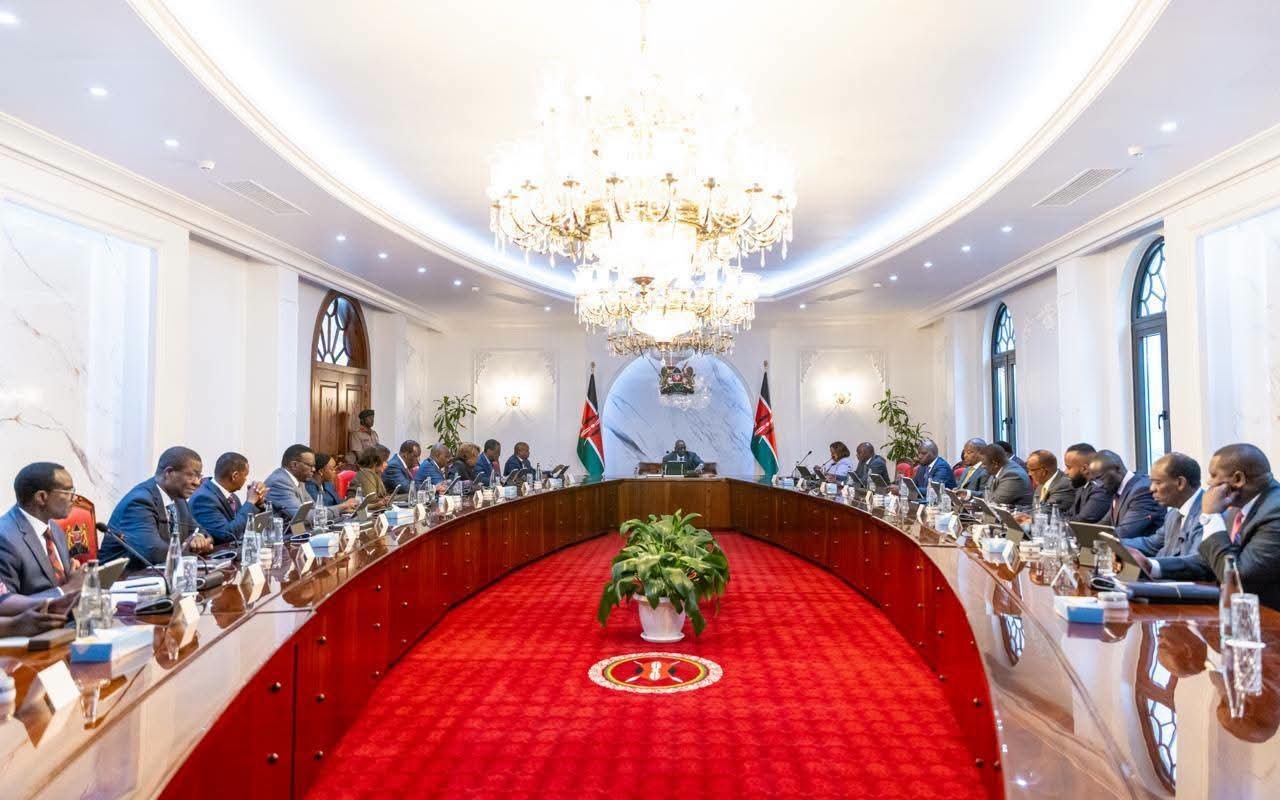
Public Service Cabinet Secretary Geoffrey Ruku on Wednesday handed over the payroll audit reports and supporting documents to the DCI, marking the implementation of a Cabinet directive issued after a meeting chaired by President William Ruto on June 30. The directive ordered that all cases arising from the payroll audit with possible criminal elements be investigated.

“The integrity of the government payroll is central to fiscal discipline, effective governance, and public confidence in government institutions,” Ruku said.
The investigations stem from an independent payroll audit and forensic review that uncovered suspected irregularities amounting to Sh6.2 billion in 12 of the country’s 53 State departments. The audit revealed unauthorised alterations to payroll records, irregular salary payments, weak control over statutory deductions, fragmented payroll management, and major oversight gaps.
“Cabinet directed the Directorate of Criminal Investigations to investigate payroll fraud, verify personnel numbers used in payroll processing, dismantle criminal networks manipulating government payroll systems, recover lost public funds, and ensure the immediate arrest and prosecution of all persons found culpable,” the Cabinet dispatch read in part.
- Six years, 105 ghost workers and a Sh490m hole at National Museums
- State House and KCC lead in ghost worker fraud
- EACC alarmed by rising cases of budgeted corruption in counties
Ruku said the government would not protect anyone found to have manipulated payroll systems or facilitated fraudulent salary payments, adding that all public institutions must cooperate fully with investigators.
He directed ministries, departments and agencies, Constitutional Commissions, Independent Offices, County Governments and State Corporations to provide investigators with all the information required, warning that any attempt to obstruct the investigations would attract consequences.
While assuring honest public servants that they have nothing to fear, the Cabinet Secretary maintained that those implicated in payroll fraud would face legal action.
Director of Criminal Investigations Mohamed Amin pledged that detectives would carry out thorough and impartial investigations into the allegations.
“We will leave no stone unturned in uncovering any wrongdoing. Anyone found culpable will be held accountable in accordance with the Constitution and the law,” Amin said.
To determine the full extent of the suspected fraud Cabinet also approved a nationwide payroll audit covering all remaining ministries, departments, agencies and State corporations.
The government has further approved a series of reforms aimed at tightening payroll management and preventing future abuse. These include migrating all public institutions to an upgraded Integrated Human Resource and Payroll System (IHRPS) with enhanced cybersecurity and stronger payroll controls.
The Ministry of Public Service also announced additional measures, including full optimisation of the Human Resource Information System (HRIS- Ke), integration of payroll systems with government financial management platforms, establishment of Payroll Audit Units across public institutions, continuous payroll verification, and strengthened internal controls.
The government says the reforms are intended to strengthen accountability, curb payroll fraud, reduce wastage of public funds, and restore confidence in the management of public resources.
Email your news TIPS to Editor@nairobilawmonthly.com, and to advertise with us, call +254715061658 anytime of the day
