
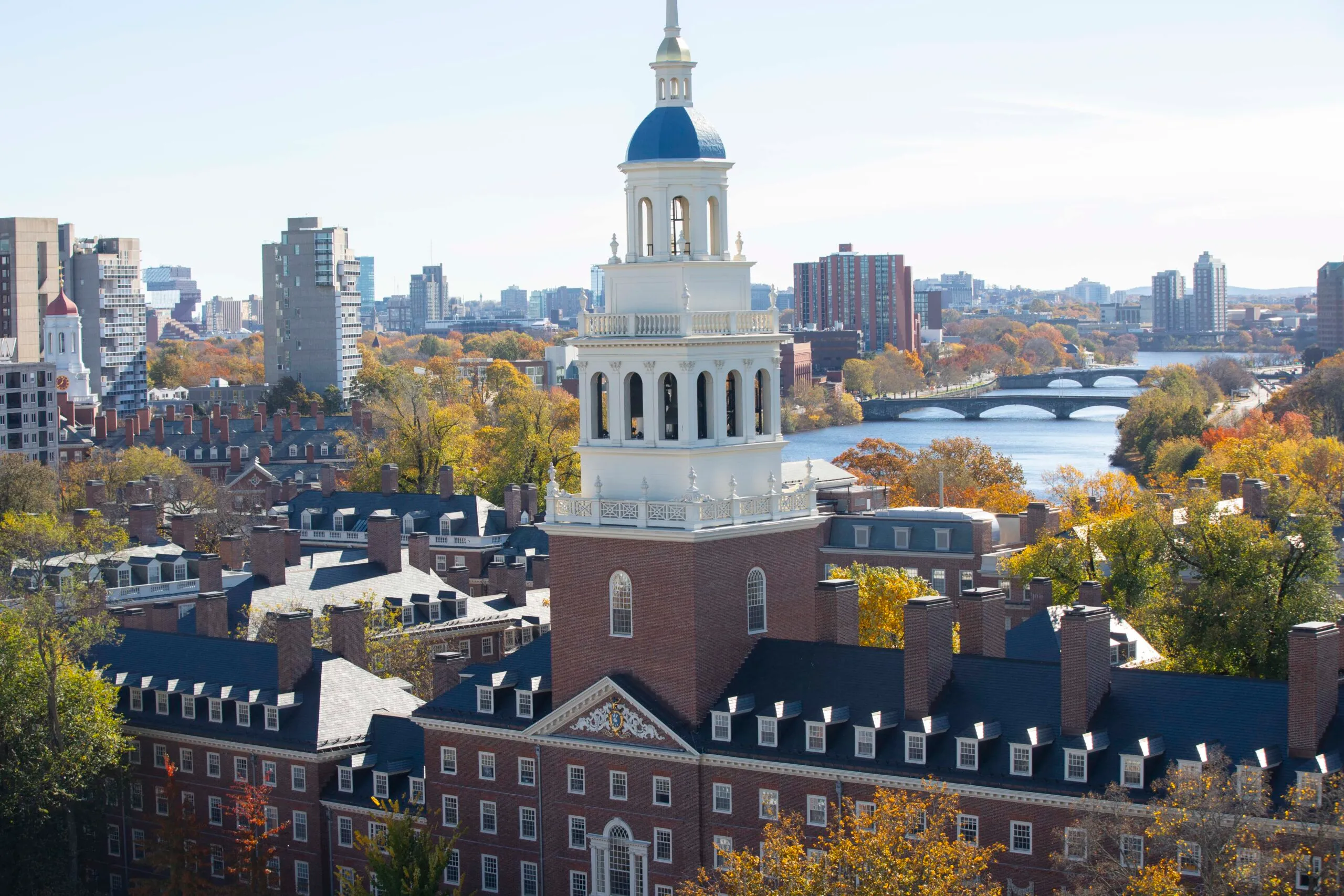
The Trump administration ignited a firestorm in higher education this week after abruptly revoking Harvard University’s certification to enrol international students — a move critics decry as a politically motivated attack on academic freedom.
The decision, announced by Homeland Security Secretary Kristi Noem on 22 May 2025, threatens to upend the lives of thousands of students and scholars while escalating a bitter feud between the White House and one of America’s most prestigious institutions.
Noem justified the revocation of Harvard’s Student and Exchange Visitor Program (SEVP) certification by accusing the university of fostering an “unsafe campus environment,” promoting antisemitism, and coordinating with the Chinese Communist Party.
She alleged Harvard had failed to comply with federal records requests for disciplinary files, protest footage, and other documentation related to international students’ activities over the past five years.
In a letter to Harvard President Alan Garber, Noem wrote: “Consequences must follow to send a clear signal to all universities that the Trump administration will enforce the law and root out the evils of anti-Americanism and antisemitism.”
The administration also tied the action to broader efforts to dismantle diversity, equity, and inclusion (DEI) policies and curb campus protests.
Harvard swiftly condemned the move as “unlawful” and retaliatory, filing a lawsuit on 23 May challenging the revocation. The university argued that the administration’s demands violate the First Amendment and exceed federal authority, calling the action “quintessential arbitrary, irrational, and unilateral executive action.”
- Trump’s call for free US passage through Suez Canal angers Egypt
- Trump’s order leaves thousands jobless, halts HIV/AIDS programs
Hours after the lawsuit was filed, U.S. District Judge Allison Burroughs issued a temporary restraining order blocking the administration from enforcing the revocation, citing “irreparable harm” to Harvard and its international community. A hearing is scheduled for 29 May to determine whether the injunction will be extended.
President Garber vowed to fight the decision, stating: “Without international students, Harvard is not Harvard. This retaliatory action undermines our academic mission and threatens the vitality of our nation.”
The revocation directly impacts 6,700 international students — 27% of Harvard’s student body — who now face uncertainty over their visas. Under the order, those on F-1 or J-1 visas must transfer schools or risk deportation.
Leo Gerdén, a Swedish undergraduate just days from graduation, called the decision “devastating” and accused the administration of using students as “poker chips” in a political battle.
Eduardo Vasconcelos, a senior from Brazil, described the order as a rejection of international students’ contributions: “It limits Harvard’s ability to address global challenges by silencing diverse voices.” Faculty members like Pippa Norris warned of long-term damage: “Why would international students apply to the U.S. if their place isn’t guaranteed? This benefits Oxford, Cambridge, and others.”
The Trump administration’s crackdown extends beyond Harvard. Noem warned other universities to “get your act together,” signalling potential nationwide restrictions on international enrolment. The move aligns with Trump’s broader agenda to curtail immigration, suppress campus protests, and reshape higher education by targeting DEI programmes and federal funding.
Economic Toll: International students contribute $44 billion annually to the U.S. economy, with Harvard alone relying on their higher tuition fees to support its $53 billion endowment.
Research at Risk: Over half of Harvard’s medical researchers are international, and losing them could stall critical projects, including cancer and Alzheimer’s research.
The revocation has drawn sharp criticism from Democrats and advocacy groups. Representative Jamie Raskin labelled it an “intolerable attack on academic freedom,” while immigration advocates called students “collateral damage” in Trump’s political vendetta.
Meanwhile, the administration faces scrutiny over its motives. Judge Burroughs noted in her ruling that officials “laid their retaliatory motive bare,” referencing Trump’s public remarks accusing international students of being “troublemakers.”
As legal battles loom, the conflict underscores a deepening divide between the federal government and academia. For Harvard’s international students, the stakes are deeply personal.
“We came here for freedom and opportunity,” said Gerdén. “Now, Trump is threatening those very values.” The outcome of Thursday’s hearing could determine not only Harvard’s future but the trajectory of U.S. higher education itself.
Email your news TIPS to Editor@nairobilawmonthly.com, and to advertise with us, call +254715061658 anytime of the day
