

Teachers who marked the 2025 Kenya Certificate of Secondary Education (KCSE) examinations could finally receive their pay this week after waiting about six months for compensation.
The government has allocated Sh1.5 billion to clear the outstanding dues, ending months of complaints from teachers and their unions over the delay. Many argued that examiners should not have to wait that long to be paid for work completed during a national exercise.

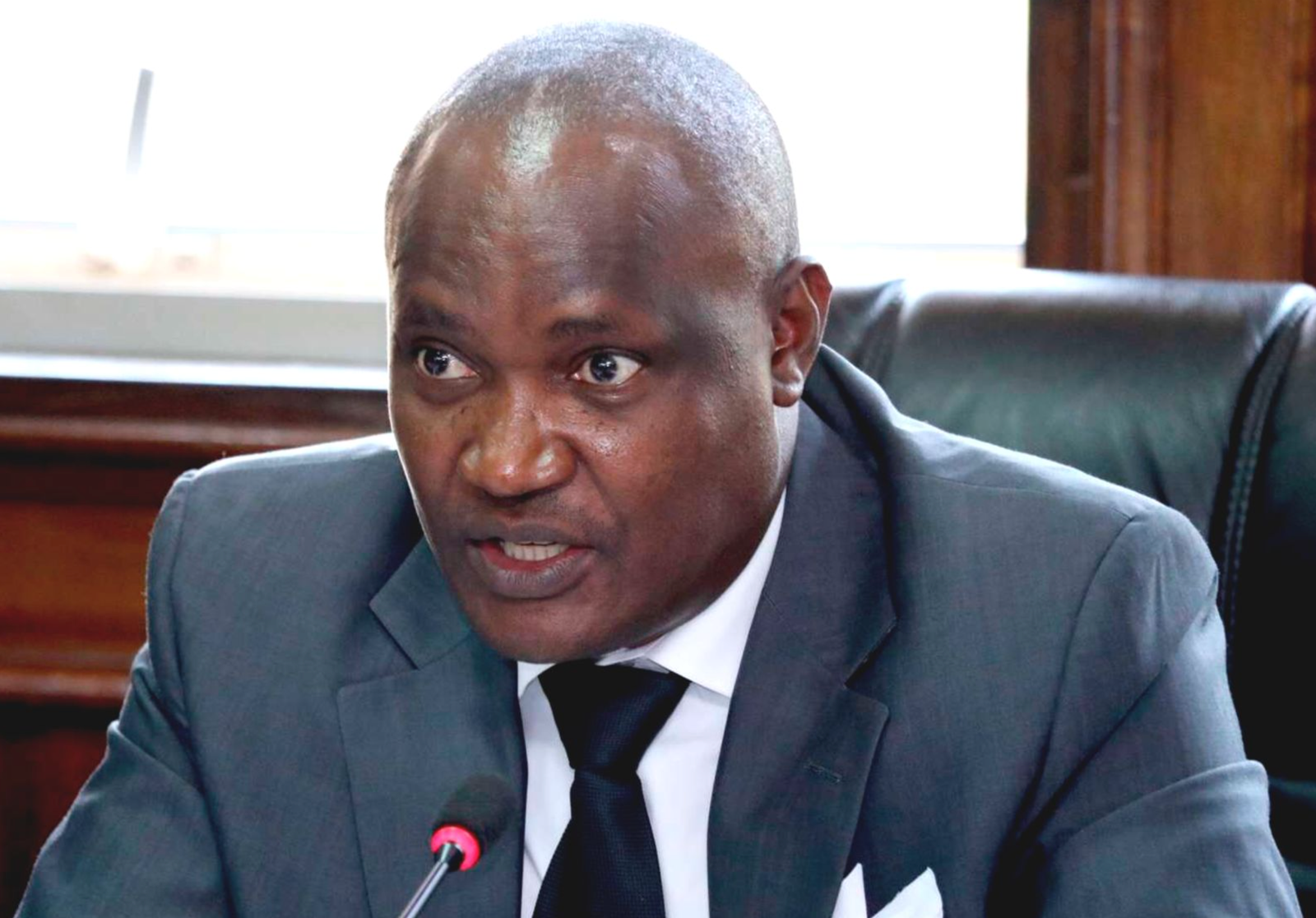
National Treasury Cabinet Secretary John Mbadi said the funds would be released this week after the government brought forward payments that had initially been planned for the 2026/27 financial year.
“We were planning to make the payment in the next financial year but we are pleased to tell the teachers we have now brought forward the payments,” Mbadi said.
The Treasury CS acknowledged the long-running dispute over delayed payments and pledged to engage the Ministry of Education to find a lasting solution.
“We need to settle the pay once and for all. It has been a thorny issue between the government and the teachers,” he said.
Mbadi spoke during a fundraising event for the construction of offices for the Kenya Union of Post Primary Education Teachers branch in Homa Bay.
Beyond the delayed KCSE marking payments, teachers raised concerns about access to healthcare under the Social Health Authority (SHA) programme.
- JSS teachers now threaten strike over autonomy demands
- Showdown looms as JSS teachers demand confirmation
- Mbadi: We have no funds to hire 20,000 Junior School teachers
Tom Odhiambo said many teachers in the region were struggling to access preferred healthcare facilities because some hospitals had not been contracted to provide comprehensive services under SHA.
“Some of the hospitals that teachers prefer are not contracted by SHA to offer the comprehensive services that they require,” Odhiambo said.
Teachers also renewed calls for the confirmation of intern teachers to permanent and pensionable terms.
Peter Otieno said intern teachers continue to face financial challenges despite playing a key role in schools.
“Intern teachers get Sh17,000 and they are not entitled to any medical allowance. It is not enough,” Otieno said.
The government has deployed about 44,000 intern teachers to Junior Secondary Schools, many of whom are awaiting confirmation by the Teachers Service Commission.
Responding to the concerns, Mbadi said the government’s difficult fiscal position meant it could not immediately absorb all intern teachers into permanent employment.
“We are in a difficult situation and we need to understand each other,” he said.
The CS attributed some of the country’s economic pressures to both domestic and global challenges, including geopolitical tensions.
“We need to find solutions and ways of coming out of the problems,” Mbadi said.
According to the Treasury, the government plans to raise Sh3.6 trillion in revenue in the next budget, with about Sh1.5 trillion earmarked for debt repayment, a burden that continues to constrain public spending across sectors, including education.
Email your news TIPS to Editor@nairobilawmonthly.com, and to advertise with us, call +254715061658 anytime of the day
