

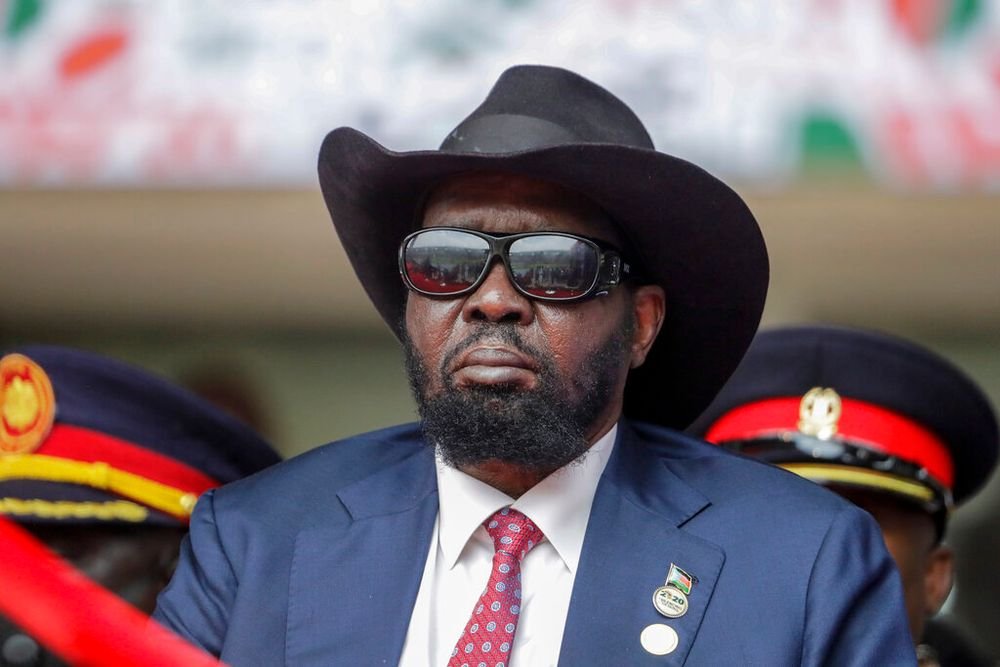
South Sudan has removed one of the remaining legal obstacles to its long-delayed elections after President Salva Kiir Mayardit signed amendments to the National Elections Act, setting the stage for the December 22 vote.
Kiir signed the legislation on Monday, hours after the Transitional National Legislative Assembly passed it, bringing into force changes that disentangle the elections from two processes that had threatened to complicate preparations: completion of a permanent constitution and a national population and housing census.

“The new law amends provisions of the principal Act, the National Elections Act, 2012 (Amendment) Act, 2023; to harmonize existing inconsistencies, ensure full alignment with the Transitional Constitution of the Republic of South Sudan, 2011 (as amended), and establish a streamlined legal framework for the upcoming elections,” the Office of the President said.
The change gives the National Elections Commission room to proceed with preparations without waiting for either exercise to be completed, a significant shift as South Sudan approaches its first general election since independence in 2011.
The amended law also fixes the composition of the next National Legislative Assembly at 270 members, with state assemblies comprising 58 members and administrative area councils 20 councillors each. It provides for the allocation of parliamentary seats and defines the role of High Elections Committees in administering the vote.
- South Sudan’s Kiir fires election chief three months before vote
- Salva Kiir: Elections must bring change to South Sudan
Another politically consequential provision allows the incumbent executive to remain in office during the election period. The president retains constitutional powers until an elected president takes office.
The amendments have exposed continuing divisions over how South Sudan should navigate the final phase of its transitional arrangements.
The South Sudan Opposition Alliance said the changes to the 2018 peace agreement, Transitional Constitution and electoral laws were made without adequate consultation among the agreement’s signatories.
The signing also follows Kiir’s removal of National Elections Commission chairperson Abednego Akok Kacuol and appointment of Gabriel Bol Deng Majok, adding another institutional change to preparations for the December poll.
With the amendments now law, the commission has a clearer statutory basis on which to organise the election. The political disagreement over the route to the vote, however, remains unresolved.
Email your news TIPS to Editor@nairobilawmonthly.com, and to advertise with us, call +254715061658 anytime of the day
