
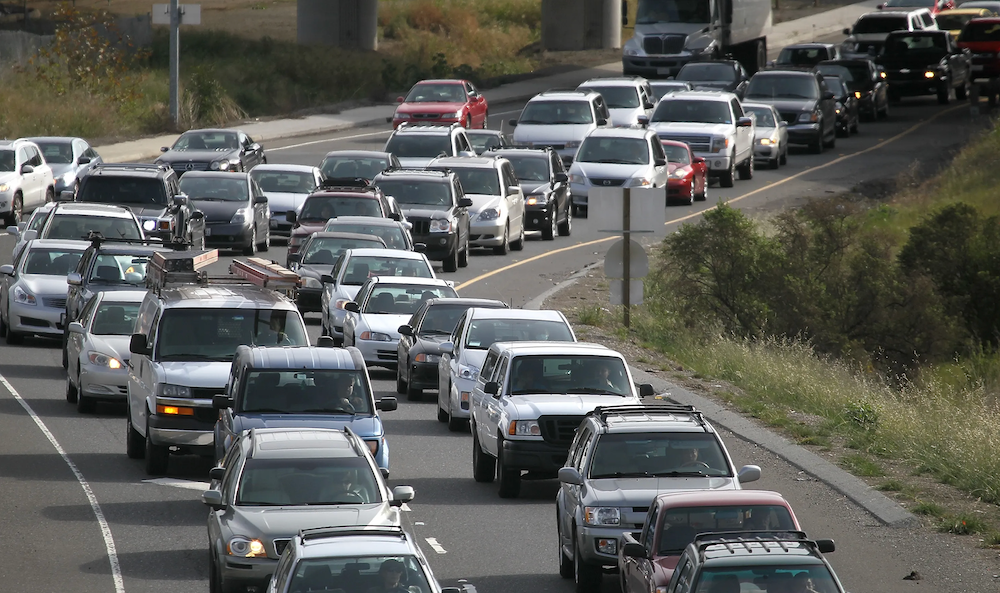
The National Transport and Safety Authority (NTSA) has suspended the mandatory annual inspection of private vehicles, citing inadequate inspection capacity to roll out the programme nationwide.
The exercise, which had been scheduled to take effect on Wednesday, July 1, has been deferred until early next year to allow the authority to automate its existing government inspection centres and expand the country’s inspection network.
“For private motor vehicles, we have suspended the exercise until early next year. Enforcement will begin once we have fully automated the existing 17 government inspection centres,” NTSA Director-General Nashon Kondiwa said during NTV and Nation FM’s “Fixing the Nation” programme on Tuesday.
The authority also directed police not to demand inspection certificates from private motorists during road checks until further notice.
The programme would require all private vehicles older than four years to undergo annual roadworthiness inspections at a cost of Sh2,000 per vehicle. Motorists who fail to comply risk fines of up to Sh20,000, imprisonment for up to six months, or both.
Despite the suspension, NTSA said vehicle owners will continue booking inspections through the eCitizen platform as preparations for full implementation continue.
Kondiwa said the authority plans to expand inspection capacity by licensing 70 privately operated inspection centres, increasing the total number to at least 87 across the country.
“We plan to have inspection centres in all 47 counties, while others will be located along major transport corridors and in cities such as Nairobi and Mombasa,” he said.
He defended the inspection programme, saying it is intended to enhance road safety while improving the country’s vehicle records.
“Apart from boosting road safety, this motor vehicle inspection exercise is a matter of national security. It seeks to improve the integrity of records and build a complete vehicle registry,” he said.
- Backlash forces NTSA to adjust private motor vehicle inspection rollout
- Lawyer moves to High Court to block NTSA vehicle inspection rules
Mr Kondiwa added that private vehicles account for more road crashes than public services, reinforcing the need for regular inspections. However, he acknowledged that the authority does not have accurate data on the total number of vehicles operating on Kenyan roads.
The planned rollout has drawn criticism from motorists and political leaders, who argue that the inspection fees would place an additional financial burden on households already struggling with the high cost of living.
Commercial vehicles and school buses will continue to undergo mandatory inspections under the existing regulations and must display valid inspection certificates before operating.
Meanwhile, the Law Society of Kenya (LSK) has filed a petition at the High Court seeking to suspend the Traffic (Motor Vehicle Inspection) Rules, 2026. The society argues that the regulations were introduced without adequate public participation and unlawfully impose criminal penalties and financial obligations.
“The impugned rules violate constitutional and statutory limits on delegated legislation by creating offences and imposing fines on ordinary Kenyans without parliamentary scrutiny,” LSK states in its court documents.
The society wants the court to suspend the regulations pending the hearing of the petition and ultimately declare them unconstitutional. The case comes alongside a separate petition filed by Nairobi lawyer Charles Mugane, who is also challenging the inspection regime over alleged lack of public participation, inspection charges and the mandatory use of eCitizen payment platform.
Email your news TIPS to Editor@nairobilawmonthly.com, and to advertise with us, call +254715061658 anytime of the day
