
By Otuma Angelo
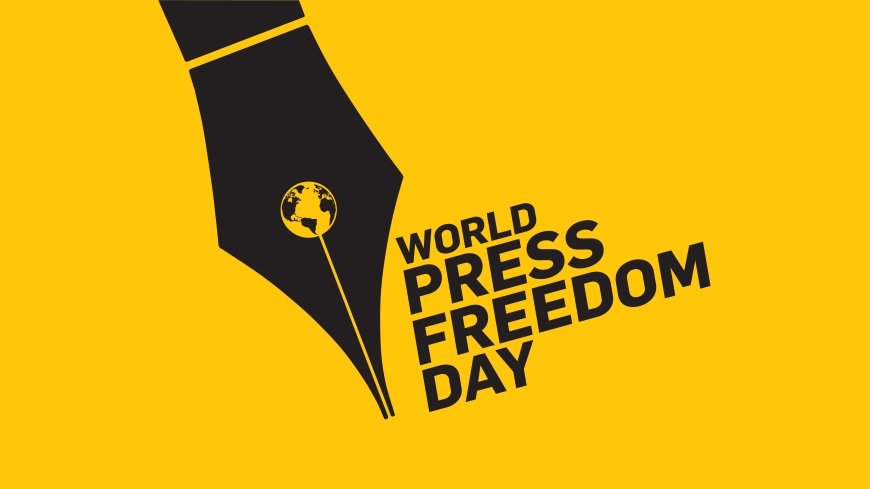
Today is World Press Freedom Day. I wish to reflect on the day. In the newsroom during my days, this day used to pass without much ceremony, except the usual statements. We marked it, then moved on to the next story.
Having worked as a reporter and later as an editor and columnist, I have come to understand that press freedom is not an abstract ideal. It is lived, or denied, in the small decisions of everyday journalism. It shows up in what gets published, what is held back, and what is quietly abandoned because the cost appears too high.
At its core, the obligation rests with the state – but not wholly as I honestly point out the elephant in the room later in this reflection. Freedom of expression is not a favour extended to the media. It is a duty enshrined in global instruments such as the Universal
Declaration of Human Rights (Article 19) and our own Constitution, under Article 34. Governments must protect it unconditionally.
Beyond principle lies the work itself. Free press informs, questions, records and unsettles. Like my beloved literature, it is both a mirror of the society and a memory. The routine coverage, documentation of injustices in the famed watchdog role and voices given space where none exist sustain the larger idea of press freedom.
The reality, however, remains uneven. Violations continue both openly and silently from within and without. Harassment, intimidation and pressure have become familiar features of the landscape. What should alarm us is not only that these violations occur, but that they are increasingly absorbed into normal newsroom calculations.
Quite often, the price for media freedom has been costly. On reflection, recent years have not been kinder. According to global monitoring by organizations like the Committee to Protect Journalists (CPJ) and Reporters Without Borders (RSF), dozens of journalists continue to be killed each year in connection with their work.
In 2025 alone, cases were recorded across conflict zones and in countries at peace. This is a stark reminder that danger to journalists is no longer confined to war reporting. Africa is no exemption. Killings and suspicious deaths have been reported in parts of West, Central and East Africa, often with limited accountability.
There is, however, a conversation we rarely have on a day like this. The elephant in the room that I have alluded to at the beginning of this conversation. The elephant, perhaps, much more grievous than state threats and censorship.
Press freedom is not threatened by governments alone. It is also shaped within the media itself, through ownership. The interests behind media houses are not always visible (except in few obvious cases) but greatly influence editorial direction in ways that are understood internally but rarely discussed publicly. Independence yields quietly and gradually to boardroom priorities and media owners hobnobbing with the very state instruments and operators perceived to be a threat to media freedom.
Proximity to power, whether by correspondents or media owners, presents a big challenge. Journalism, over time, can drift from scrutiny to familiarity. The line between covering power and accommodating it begins to blur.
Granted, a journalist worth his salt should have credible sources and these sources happen to reside within the corridors of power. Access to them is key. However, what passes for access can, in effect, become a form of embedded journalism. Hence loss of press freedom. This embedment is not always visible but emerges much later sometimes in form of rewards accorded to senior editors and reporters in government and political circles, years after the newsroom. Just look out there!
There is also the question of welfare. Several media houses have struggled to pay journalists consistently, while others offer wages that do not match the demands of the profession. This is more than a labour issue. It is a press freedom issue. A journalist who is underpaid or unpaid is more exposed to influence, more vulnerable to compromise, and less able to maintain professional independence. It diminishes not only the individual, but the integrity of the newsroom.
As the country moves toward the 2027 elections, these internal pressures deserve as much attention as external ones. The risk is not only of censorship, but of alignment. Newsrooms can find themselves drawn, sometimes subtly, into political and commercial interests. When that happens, the public still receives news, but not necessarily the full truth.
.
Looking back, and now from a slight distance, the profession reveals both resilience and fragility. Journalism endures because many within it still choose to do the right thing, often without recognition. Yet it remains vulnerable to power, to ownership, and to neglect from within.
This day is, therefore, not only for marking a date. It is for recognising what the work demands, what it risks, and where it can fail.
Press freedom should not only be declared on a day like this but practised daily in journalism trenches. Far away from statements (such as mine) and conferences.
On this Press Freedom Day, there are more wishes than celebrations. I would have ended with happy Press Freedom Day wish to my colleagues, but do we really have much to celebrate?
Email your news TIPS to Editor@nairobilawmonthly.com, and to advertise with us, call +254715061658 anytime of the day
