

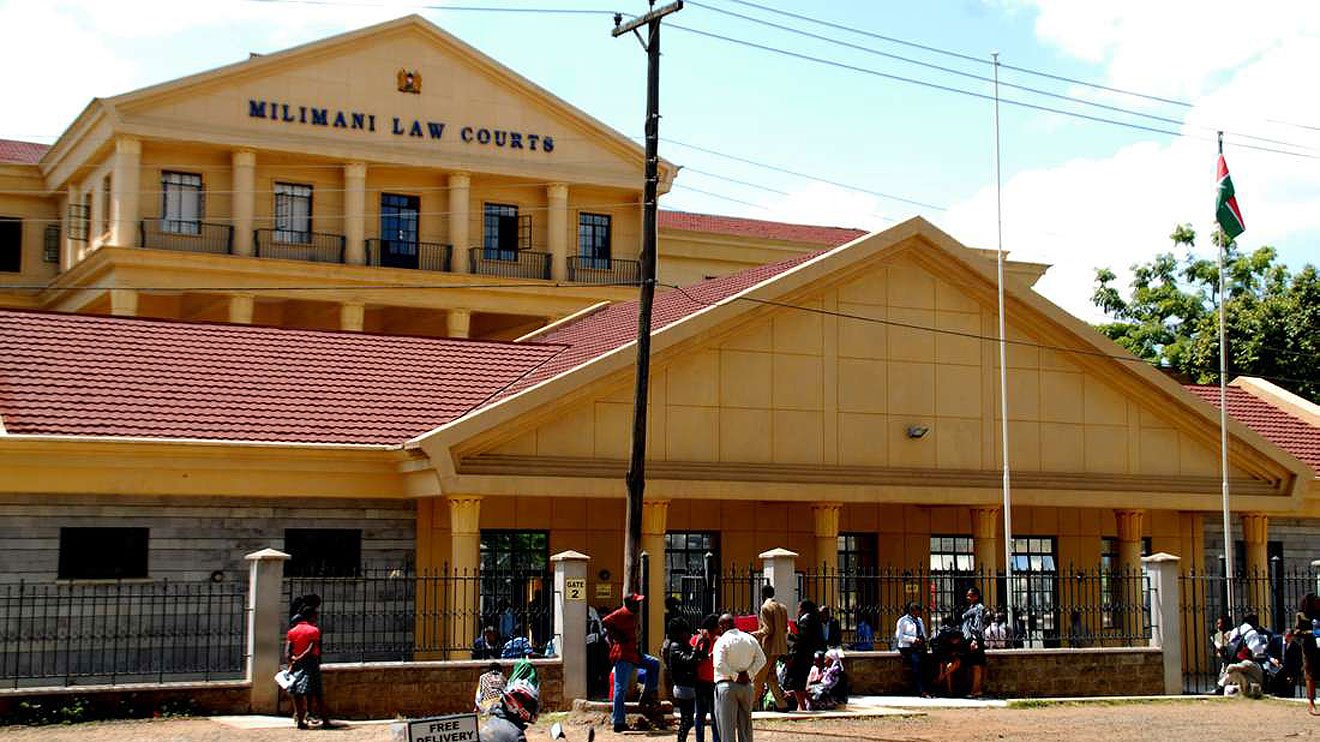
The Law Society of Kenya (LSK) has announced a nationwide boycott of court proceedings before judges who have obtained court orders preventing the Judicial Service Commission (JSC) or the Ethics and Anti-Corruption Commission (EACC) from investigating misconduct and corruption complaints against them.
The boycott will begin on Wednesday with a nationwide withdrawal from court proceedings before expanding into an indefinite refusal by advocates to appear before the affected judges and judicial officers.

The move is expected to disrupt proceedings at the Supreme Court and other courts, with six Supreme Court judges, including Chief Justice Martha Koome, among those protected by court orders that have halted JSC proceedings. Several High Court judges are also affected.
In a statement to its members, the LSK Council said repeated engagements with the Judiciary, had failed to address longstanding concerns over judicial accountability, integrity, delays in the administration of justice and the handling of complaints against judicial officers.
The Society said it had consistently called for complaints lodged with the JSC to be handled “expeditiously, transparently and fairly so as to strengthen judicial accountability, integrity and public confidence in the Judiciary.
As part of the resolution, advocates have been directed not to appear before the judges who have secured court orders “stopping or otherwise preventing the JSC or the EACC from exercising their constitutional mandates of investigating or processing complaints or allegations of corruption or misconduct.”
- CJ Koome sounds alarm over rising corruption in Judiciary
- Why war on corruption should be a key issue in LSK succession race
- Judicial corruption and impunity portend wider societal malaise
Lawyers appearing before the affected judges during the boycott, “should only proceed with the delivery of pending rulings and judgements and should not preside over fresh hearings, part-heard matters or new applications.”
The Council also cited persistent concerns over case backlogs, delayed rulings, registry inefficiencies, disruptions to electronic filing systems, inconsistent case management, delays in the release of court-held funds and discourteous treatment of advocates.
In addition, the Society resolved to establish a confidential reporting mechanism through which advocates will regularly submit information on judicial performance, alleged misconduct, corruption and other systemic challenges within the Judiciary.
Although court registries will remain operational and advocates will continue filing pleadings, the boycott is expected to interrupt hearings before the affected courts until the dispute is resolved or the restraining orders are lifted.
Email your news TIPS to Editor@nairobilawmonthly.com, and to advertise with us, call +254715061658 anytime of the day
