

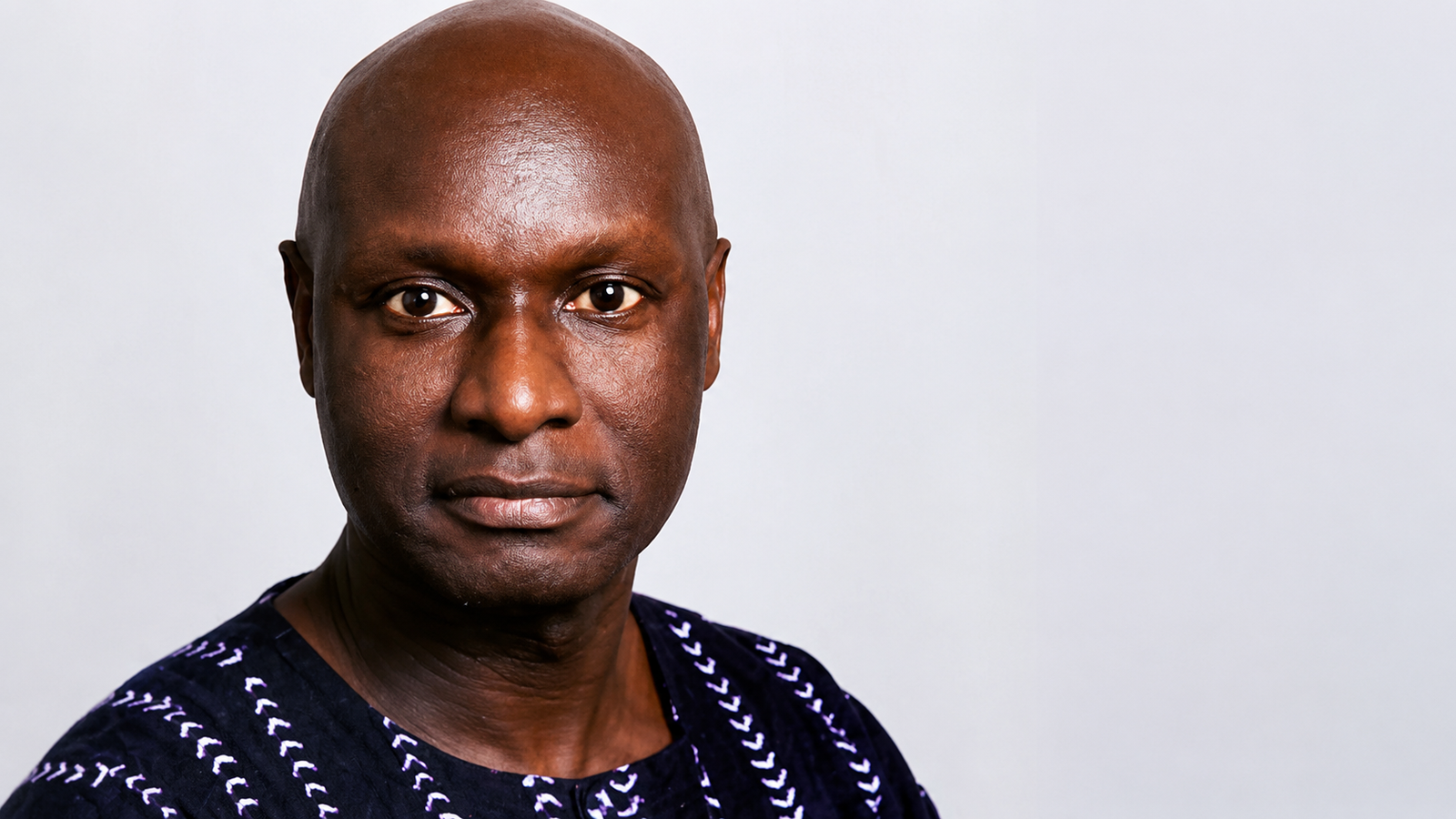
Uganda’s candidate for United Nations Secretary-General seat, Prof Olara Otunnu, has intensified his diplomatic campaign for the top UN job, engaging key countries whose support will be important in the selection of Antonio Guterres’ successor.
Otunnu, a diplomat, met Russian Foreign Minister Sergey Lavrov in Moscow on September 14, in one of his latest efforts to reach out to members of the UN Security Council. He was accompanied by former Ugandan prime minister Ruhakana Rugunda, who has been tasked with coordinating Kampala’s international campaign for Otunnu’s candidature.
The Moscow meeting came as Uganda sought to build support among the five permanent members of the Security Council: Russia, China, France, the United Kingdom and the United States. Each has veto power over a Council recommendation, making their positions an important part of the selection process.
According to the Russian Foreign Ministry, Otunnu presented his platform during the talks, while Lavrov outlined Russia’s requirements for candidates seeking to lead the UN Secretariat. The two sides also reaffirmed their commitment to the UN’s central coordinating role in international affairs.
The Moscow engagement followed an earlier capital-to-capital campaign that was planned to take Otunnu to Washington, Paris, London, Beijing and other capitals of countries serving on the Security Council. The campaign is aimed at directly presenting his candidature to governments involved in the selection process.
Otunnu entered the race on July 24 after Ugandan President Yoweri Museveni nominated him. The 75-year old previously served as his country’s Permanent Representative to the UN and later as a UN Under-Secretary-General. He also served as Special Representative for Children and Armed Conflict. His campaign has centred on reforming the UN, strengthening multilateralism and restoring confidence in the organisation.
During an August 19 dialogue with UN member States and civil society groups, he said: “Reform is no longer an optional choice. It is an imperative. Without it, the institution is at grave risk. We cannot continue to do business as usual.”
He has also called for greater international cooperation on conflict prevention, peacebuilding and emerging challenges such as artificial intelligence, while arguing for a stronger role for the Secretary-General in mobilising development financing for countries in the Global South.
Otunnu is among the eight candidates seeking to succeed Guterres, whose second term ends on December 31, 2026. The Security Council has already conducted informal straw polls as part of the selection process, with further consultations expected before the Council recommends a candidate to the General Assembly.
Uganda’s diplomatic push comes after Otunnu recorded five “encourage” votes in the second Security Council straw poll on August 21, compared with two in the first poll held on July 30. He had entered the race only days before the first ballot.
The selection will ultimately require a candidate to obtain the necessary support in the 15-member Security Council before the General Assembly considers the Council’s recommendation.
The eight candidates in the race are:
• Rafael Mariano Grossi (Argentina), nominated by Argentina on November 26, 2025;
• Michelle Bachelet Jeria (Chile), nominated by Chile, Brazil, and Mexico on February 2, 2026);
• Macky Sall (Senegal), nominated by Burundi on March 2, 2026;
• Rebeca Grynspan Mayufis (Costa Rica), nominated by Costa Rica on March 3, 2026;
• María Fernanda Espinosa Garcés (Ecuador), nominated by Antigua and Barbuda on May 11, 2026;
• Carolyn Rodrigues Birkett (Guyana), nominated by Guyana on June 15, 2026;
• Olara Otunnu (Uganda), nominated by Uganda on July 24, 2026; and
• Ivonne A-Baki (Ecuador), nominated by Tonga on August 18, 2026.
Email your news TIPS to Editor@nairobilawmonthly.com, and to advertise with us, call +254715061658 anytime of the day
