

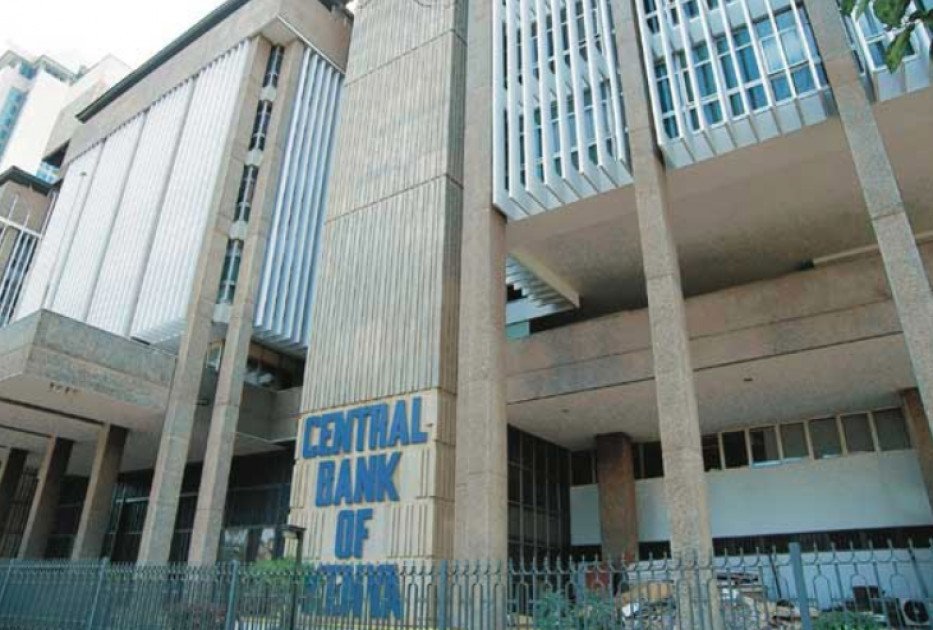
Cryptocurrency businesses in Kenya must now be licensed before they can offer services, after the Central Bank of Kenya (CBK) issued a licensing circular on Sunday, November 15, 2026, under the country’s new virtual assets law.
The circular implements the Virtual Asset Service Providers Regulations, 2026, which the National Treasury gazetted on July 22 under Legal Notice No. 134. It requires cryptocurrency businesses to obtain regulatory approval before offering virtual asset services in the country. Crypto exchanges, wallet operators and transfer services can no longer operate without the appropriate licence.

The rules fall under the Virtual Asset Service Providers Act, 2025, which President William Ruto signed into law on October 15, 2025, and which took effect on November 4, 2025. The Act gave existing operators one year, until November 4, 2026, to comply.
Under the law, the CBK and the Capital Markets Authority (CMA) share oversight of ten licence categories. The CBK will license digital wallets and custody services, crypto payments and remittances, and stablecoin issuers.
The CMA will oversee crypto exchanges, brokers, investment advisers, asset managers, Initial Coin Offering providers, tokenisation businesses and token issuance platforms. Applicants must apply to the relevant regulator, depending on the services they offer.
The regulations set strict entry requirements. Stablecoin issuers must have paid-up capital of Sh300 million, down from the Sh500 million proposed in a draft released in March. They must also hold liquid capital of at least Sh60 million or 100 per cent of their current liabilities, whichever is higher. Wallet providers need paid-up capital of Sh150 million.
- Worldcoin returns to Kenya following closure of DCI probe
- How detained Kenyan tycoon escaped custody in Nigeria
All applicants must pay an application fee of Sh100,000, while the licence fee is Sh2 million for stablecoin issuers and Sh500,000 for wallet providers.
Every stablecoin must be backed on a one-to-one basis by eligible reserve assets, with at least 30 per cent of funds held in separate trust accounts at Kenyan commercial banks.
Customers must be able to redeem their stablecoins at face value within two working days, and issuers are barred from paying interest or rewards to holders. The CBK may also order exchanges and wallets to suspend or delist a stablecoin, including one issued abroad.
The rules are intended to protect investors and bring a fast-growing but largely unregulated sector under regulatory supervision. Regulators have, however, warned that licensing does not make crypto investments safe, as the regulations “do not make cryptocurrency investments guaranteed or risk-free.”
The CMA has also cautioned Kenyans against 15 unlicensed investment platforms. It has urged the public to check whether a firm is licensed through its official portal and report suspected fraud to the Directorate of Criminal Investigations (DCI) or through the CMA’s whistleblower channels.
The new regime comes as the International Monetary Fund (IMF) pushes Kenya to identify crypto traders as part of broader efforts to combat financial crime.
Email your news TIPS to Editor@nairobilawmonthly.com, and to advertise with us, call +254715061658 anytime of the day
