

The opposition has suffered a legal blow after the High Court upheld the national tallying and verification of presidential election results, dealing a setback to efforts to limit the IEBC’s role after results are declared at constituency level.
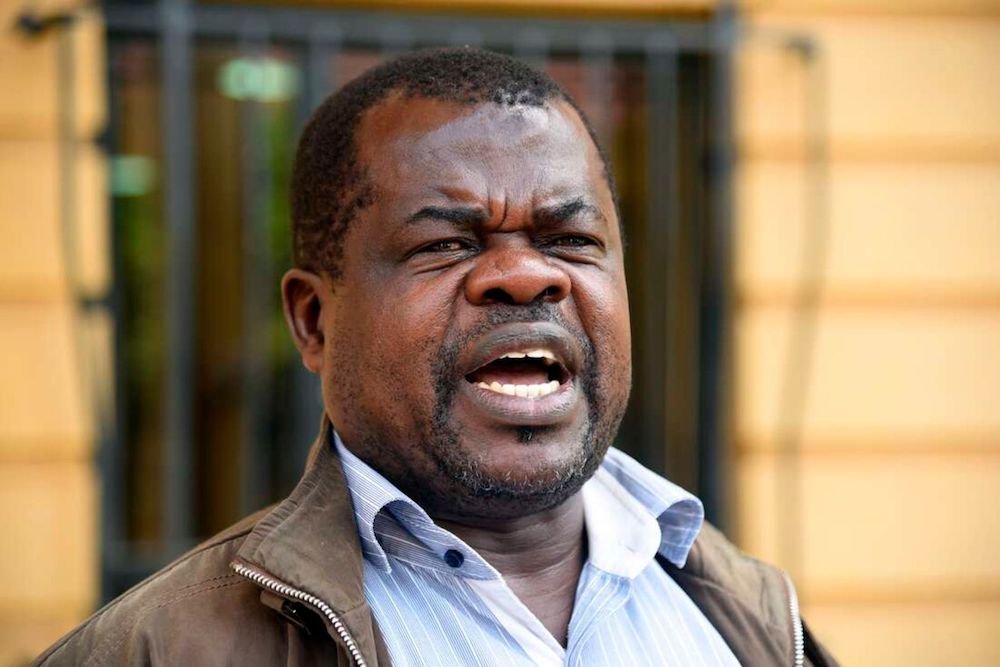
Justice Gregory Mutai on Tuesday dismissed petitions by Busia Senator Okiya Omtatah and opposition leaders led by Kalonzo Musyoka and Rigathi Gachagua, who had challenged the national tallying centre and argued that presidential results declared at constituency level were final.

The court, however, barred the Independent Electoral and Boundaries Commission (IEBC) from altering, cancelling or varying presidential results declared final by constituency returning officers.
National tallying must therefore be based on certified constituency results, with the IEBC undertaking the verification and aggregation collectively.
The judges upheld Section 39(1C) of the Elections Act and Regulation 83(2) of the Elections (General) Regulations, which provide for aggregation and verification of presidential results at the national level.
- IEBC sets deadlines for 2027 election nomination and registration
- Court finds IEBC’s 2027 election date unconstitutional
- IEBC bets on digital voter registration to woo young voters
The court said national verification is necessary because a presidential candidate must secure more than 50 per cent of votes cast nationally and at least 25 per cent in more than half of the counties.
“A national aggregation and confirmation exercise is accordingly not an arbitrary extra burden imposed on presidential candidates or voters,” the court held, describing it as a “necessary and rational corollary” of the constitutional threshold.
The court also ruled that where electronically transmitted results differ from physical results from polling stations, the result verified and declared at the polling station prevails.
Omtatah had also sought orders stopping the IEBC from re-tallying or re-verifying presidential results after their announcement by constituency returning officers.
The judges rejected that challenge, but maintained that constituency results cannot be changed at the national tallying stage.
The court also urged Parliament to consider electoral reforms ahead of the 2027 General Election, including its principles on documentary primacy and collective decision-making.
It invoked John Rawls’ “veil of ignorance”, urging lawmakers to design electoral rules without knowing in advance which political interests would benefit.
Email your news TIPS to Editor@nairobilawmonthly.com, and to advertise with us, call +254715061658 anytime of the day
