

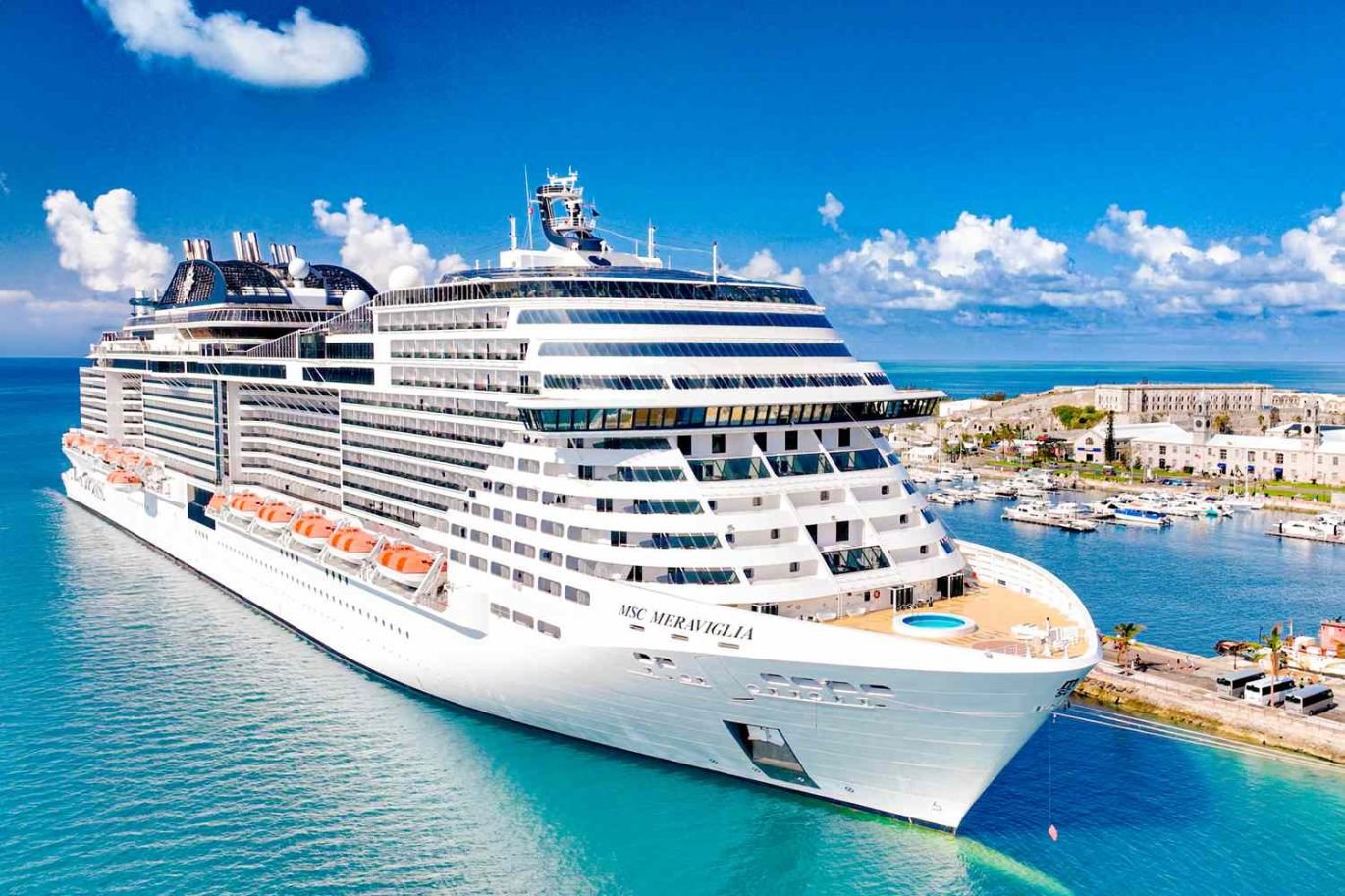
MSC Cruises, the world’s largest family-owned cruise line, has temporarily stopped Kenyan crew members from joining its ships after Kenya confirmed its first imported case of Ebola.
In a notice to its workforce, the company said the suspension was prompted by “recent public health developments in Kenya”. Deployments have been halted until October 31, with the firm pledging to reschedule affected crew from November 1 and to give priority to those whose travel plans were disrupted.

MSC is the single largest employer of Kenyan seafarers and has recruited more than 4,000 cruise ship workers from the country in recent years. It was not immediately clear how many crew members are affected by the pause.
Kenya announced its first confirmed case of Ebola, caused by the Bundibugyo strain, on October 6, 2026. Health Cabinet Secretary Aden Duale has stressed that the case was imported and does not amount to an outbreak in the country.
The patient, a man who had contracted the virus in the Democratic Republic of Congo (DRC), travelled through Uganda before arriving in Nairobi, where he was isolated in hospital and later died.
Authorities moved quickly to contain any risk. Family members, health workers and airline crew who came into contact with the patient were placed in quarantine as contact tracing was expanded.
President William Ruto ordered enhanced measures, while the Ministry of Health activated response protocols strengthened since the DRC outbreak began earlier this year.
On October 12, the government declared Ebola (Bundibugyo virus) a formidable epidemic disease under the Public Health Act. The accompanying rules provide for screening at airports, seaports and border crossings, surveillance, isolation and quarantine, and the safe management of suspected and confirmed cases.
Former Seafarers Union of Kenya (SUK) Secretary General Andrew Mwangura described MSC’s notice as carefully measured. He said it apologised for the short notice, assured crew that their jobs and future prospects were secure, and restated that the company “highly values Kenyan seafarers.”
Mwangura said the decision was neither unexpected nor without precedent, given the strict health oversight under which cruise operators work.
“Cruise operators function under extreme health scrutiny. Ships are closed environments where an outbreak can cascade rapidly, threatening passengers, crew, itineraries, and brand reputation. Post-COVID protocols remain institutionalised. When a source country records even a single high-consequence pathogen case, temporary restrictions on crew movement from that nationality become a standard risk-management tool,” Mwangura said.
He added, however, that the move highlights wider structural pressures in the global maritime labour market and Kenya’s position within it.
Kenyans have become a large and growing part of MSC’s workforce since the company set up a local crewing operation. Many serve in hotel and hospitality roles on board, while others work in deck and engine departments.
Email your news TIPS to Editor@nairobilawmonthly.com, and to advertise with us, call +254715061658 anytime of the day
