

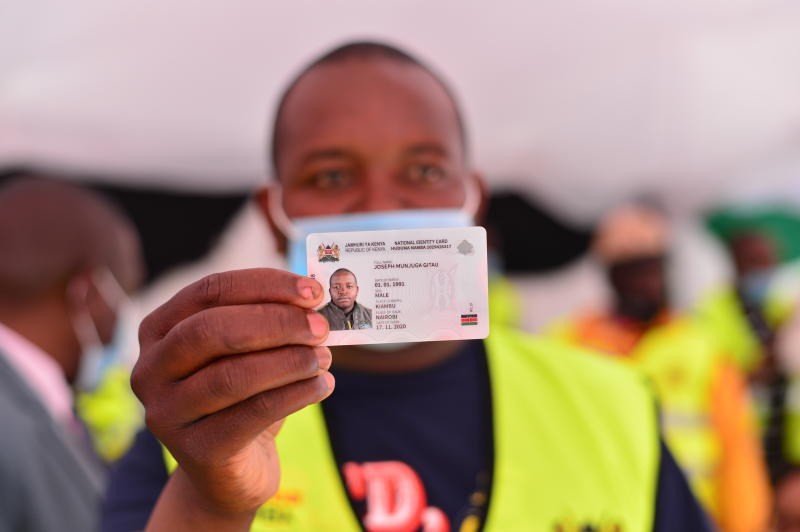
Kenyans will soon obtain birth and death certificates free of charge under a new digital system that assigns every newborn a lifelong Unique Personal Identifier (UPI) at birth.
Principal Secretary for Immigration and Citizen Services Belio Kipsang told the National Assembly’s Administration and Internal Security Committee that a Gazette notice waiving all fees will be issued shortly.

“We have a Gazette notice that will be issued shortly which will make birth and death certificates free. At the moment we are charging Sh200 for a normal birth certificate, Sh500 for late registration and Sh1,000 for name correction. This has been a big burden to families, especially those in rural areas,” Kipsang told the committee.
The digital system has been piloted in Nairobi City County and Bomet County. It connects hospital systems to Civil Registration Services. Once a baby is born, hospital staff enter the required information into the system, which is then used to generate a UPI, also known as Maisha Namba. Parents can subsequently download the birth certificate from anywhere.
Kipsang said integration with more than 7,500 public hospitals is almost complete, with the system expected to be rolled out to private hospitals accredited by the Social Health Authority in the coming weeks.
The new system is expected to significantly reduce processing times, with certificates issued within just a few days in many areas. It is also expected to minimise errors associated with manual registration.
Gilgil MP Martha Wangari, who sponsored the Births and Deaths Registration Act, welcomed the development. However, she called for adequate public consultation and safeguards to protect vulnerable families.
“These families, especially those in rural areas, often go through a lot of trouble to get these documents. We need to make sure that there are enough protections in place for those on low incomes.”
The new digital system will also strengthen identity verification. The UPI will be linked to education records and will eventually be used to issue national identity cards when individuals turn 18. The government expects this to help prevent identity fraud, including the fraudulent use of documents belonging to deceased persons.
The digital system has already registered more than 270,000 newborns in just two months. It could also eventually provide real-time population data, helping the government improve planning and service delivery.
By eliminating the cost and inconvenience of registration, the government aims to ensure that all children in Kenya receive essential identity documents in a timely manner. This would make it easier for them to access education, healthcare and other public services.
However, the nationwide implementation of free birth and death certificates will depend on the issuance of the Gazette notice and the completion of the system’s rollout.
– By John Murunga
Email your news TIPS to Editor@nairobilawmonthly.com, and to advertise with us, call +254715061658 anytime of the day
