

The High Court in Machakos on Tuesday, October 27, 2026, suspended the 0.8 per cent export levy on tea until it hears a petition challenging the Tea Levy Regulations, 2026.
Justice Josephine Mongare issued conservatory orders that temporarily halt the enforcement of the regulations. She also barred the authorities from refusing export or import permits to traders solely because they had not paid the disputed levy.

The court stressed that the orders are temporary and do not decide the case. In its words, they are “conservatory orders that temporarily stop the enforcement of the Tea Levy Regulations, 2026” and “not a final judgment on the constitutional issues raised.” The case will come up for directions and an inter partes hearing on November 19, 2026.
The petition was filed by the Mazingira Greens Party of Kenya against the Tea Board of Kenya, the Cabinet Secretary for Agriculture and the Attorney General. It challenges the regulations, which impose a levy of 0.8 per cent of the auction value of tea at the point of export.
The party argues that the regulations are procedurally flawed and breach constitutional provisions on property rights, non-discrimination, devolution, public finance and the power to impose taxes.
It says tea growers were left out of public participation when the Tea Act and its regulations were amended. It also argues that although exporters pay the levy, the cost could be passed on to smallholder farmers through lower farmgate prices. The petition further questions the plan to spend part of the money on roads and asks whether multinational tea companies would pay their fair share.
The Ministry of Agriculture and the Tea Board have defended the levy as necessary to fund the international marketing of Kenyan tea, implement the Tea Act and stabilise domestic tea prices.
Agriculture Cabinet Secretary Mutahi Kagwe has said the charge is paid by exporters and importers, not farmers, and that it is designed to reinvest part of the country’s export earnings in the sector.
He said the aim is to ensure “some of the proceeds from tea exports are ploughed back into the development” of the industry. “This initiative is not intended to impose unnecessary burdens on tea farmers or all businesses,” Kagwe said in May.
Under the regulations, the proceeds of the levy are to fund marketing Kenyan tea abroad, brand building, research, infrastructure in tea-growing areas and oversight of the industry.
The rules also include tighter controls on tea imports, intended to prevent the dumping of low-quality tea, which the government says harms the reputation and price of Kenyan tea on the global market.
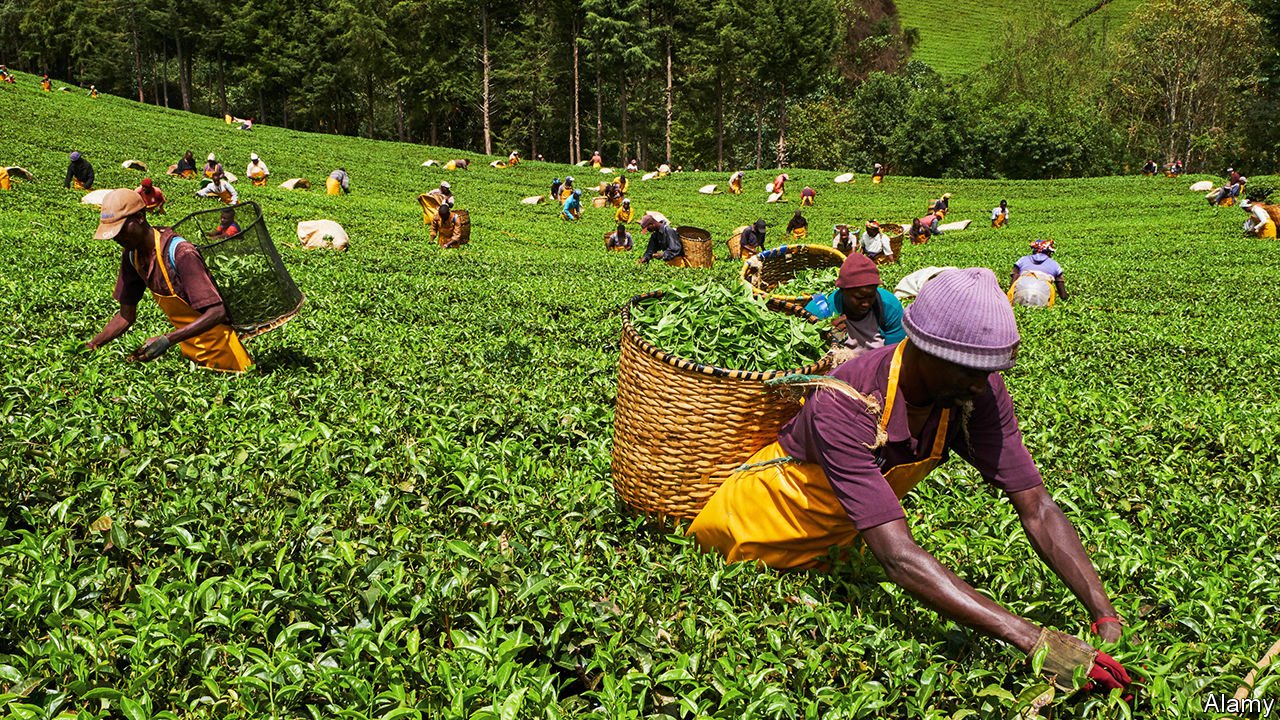
Tea is one of Kenya’s leading foreign exchange earners and supports hundreds of thousands of smallholder farmers.
Email your news TIPS to Editor@nairobilawmonthly.com, and to advertise with us, call +254715061658 anytime of the day
