

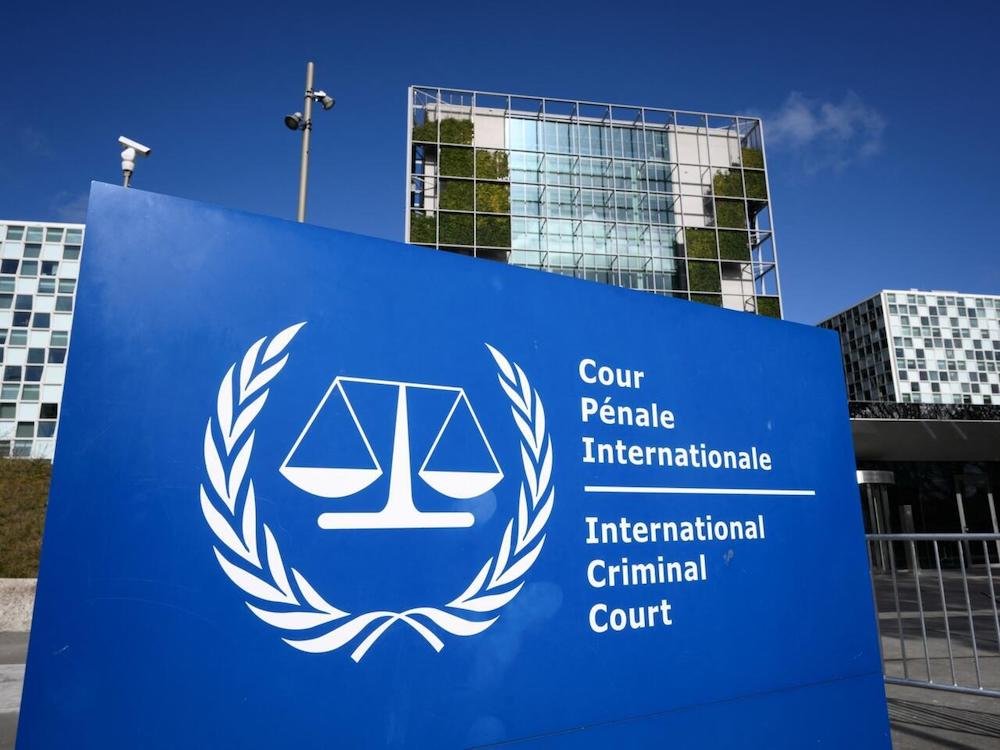
The International Criminal Court (ICC) has won the 2026 Sakharov Prize for Freedom of Thought, securing European Parliament backing at a time when US sanctions threaten its operations and judicial independence.
The Netherlands-based tribunal beat Tanzanian opposition leader Tundu Lissu and jailed Iranian sisters Taraneh and Romina Rahimi.

The award comes as US President Donald Trump’s administration intensifies its campaign against the court, angered by judges’ decision to issue an arrest warrant for Israeli Prime Minister Benjamin Netanyahu over alleged crimes in Gaza.
Washington has imposed sanctions on the ICC and some of its officials, measures the court says threaten its independence. The administration has also vowed to dismantle the institution “brick-by-brick”.
“We stand by the ICC and its officials, and we are committed to safeguarding its work,” said Yannis Maniatis, a lawmaker with the centre-left S&D group, which supported the nomination.
“Protecting the principles upon which our world is built is essential to defending our democracy and our values.”
Barry Andrews, an Irish centrist lawmaker, said the deteriorating global environment made such backing increasingly necessary.
“In an increasingly fraught global environment, it has never been more important — or more challenging — for MEPs to support them in their struggle,” he said.
The ICC’s victory follows the award of the Nobel Peace Prize this month to former ICC judge Navi Pillay, who also served as UN human rights chief. Trump criticised that decision as “disgraceful”, arguing the prize should have gone to him.
- Inside the US campaign to dismantle the ICC ‘brick by brick’
- Former ICC judge Navi Pillay wins Nobel Peace Prize
- Karua deported from Tanzania over Lissu’s court case
Like the ICC, the other finalists have paid a personal cost for confronting political authorities. Lissu, chairman of Tanzania’s opposition CHADEMA party, has been in custody since April 2025, facing a treason charge that carries the death penalty. He is accused of inciting the public to boycott last year’s elections, amid concerns about the fairness of his trial.
The Iranian sisters, both aged 21, have been sentenced to death and 36 years in prison, respectively, for participating in anti-government protests.
Established in 1988 and named after Soviet dissident Andrei Sakharov, the prize recognises efforts to defend human rights, democracy and fundamental freedoms.
The Sakharov Prize winner was announced ahead of the December awards ceremony.
Email your news TIPS to Editor@nairobilawmonthly.com, and to advertise with us, call +254715061658 anytime of the day
