

 By Fuad Abdirahman
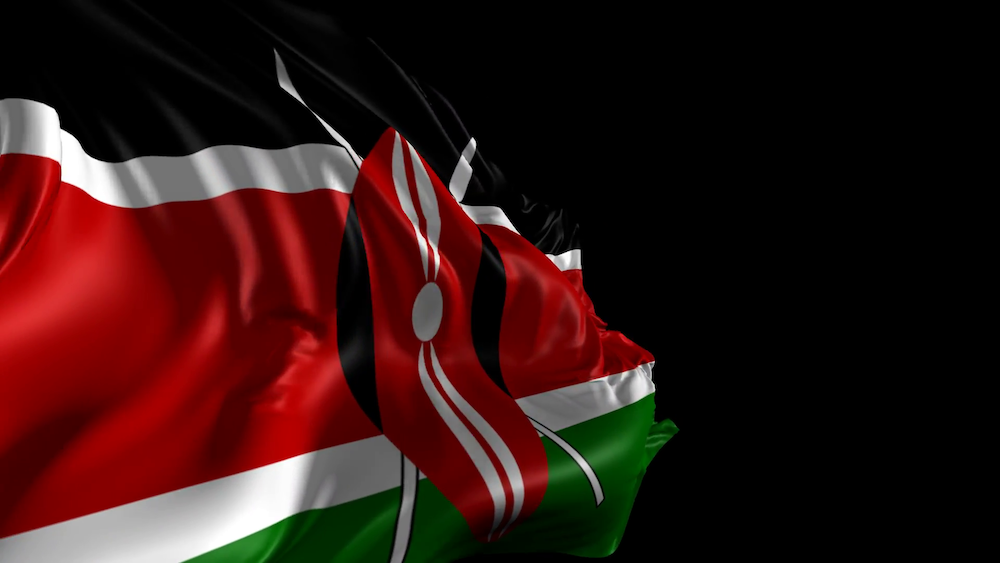
In recent days, social media has been abuzz after a viral video clip showed two teens wearing jerseys associated with the Somali national team desecrating the Kenyan flag during a match between Kenya Police FC and Mogadishu City Club from Somalia. The teams were taking part in a Confederation of African Football (CAF) qualifier.

As expected, the offence sparked anger as it amounted to a violation of the sanctity of the national emblem. Sadly, what should have been condemned as an act of two individuals quickly shifted into profiling of entire community. This resulted in the use of exclusionary language and invoked entrenched social prejudices.
Such backlash is not new. Communities from northern Kenya have routinely been judged as guilty by association for the crimes and missteps of one of their own. This, by extension, sparks demands for members of the affected communities to prove their loyalty by condemning the perceived offenders.
Just as such crimes are reprehensible, calls for expulsion of entire communities, also amount to violations of the rights of the citizens from northern Kenya. Such conversations threaten national unity and can lead to the alienation of millions of Kenyans. Seeing Kenyans using the “us versus them” lenses fuels unnecessary distrust.
The intervention by Interior Cabinet Secretary Kipchumba Murkomen, who ordered the Inspector-General of Police, Doughlas Kanja, to investigate the violation of the Kenyan flag was commendable. However, it is important for the law to applied equally to all citizens whenever there are breaches.
On its part, the National Cohesion and Integration Commission needs to step into the matter — especially the issue of branding millions of Kenya as foreigners — and should monitor rhetoric against particular communities. Silence on its part is not right and could signal inability to deliver on its mandate.
The point is, whereas all citizens have a right to free speech, rhetoric against communities, if left unchecked, can escalate into persecution, and erosion of national cohesion. Protecting every group equally is, therefore, essential to safeguarding Kenya’s stability and security.
The writer is a senior researcher and political analyst at Felt Africa Group, specialising in governance and policy reform. The views expressed in this article are his own.
Email your news TIPS to Editor@nairobilawmonthly.com, and to advertise with us, call +254715061658 anytime of the day
