
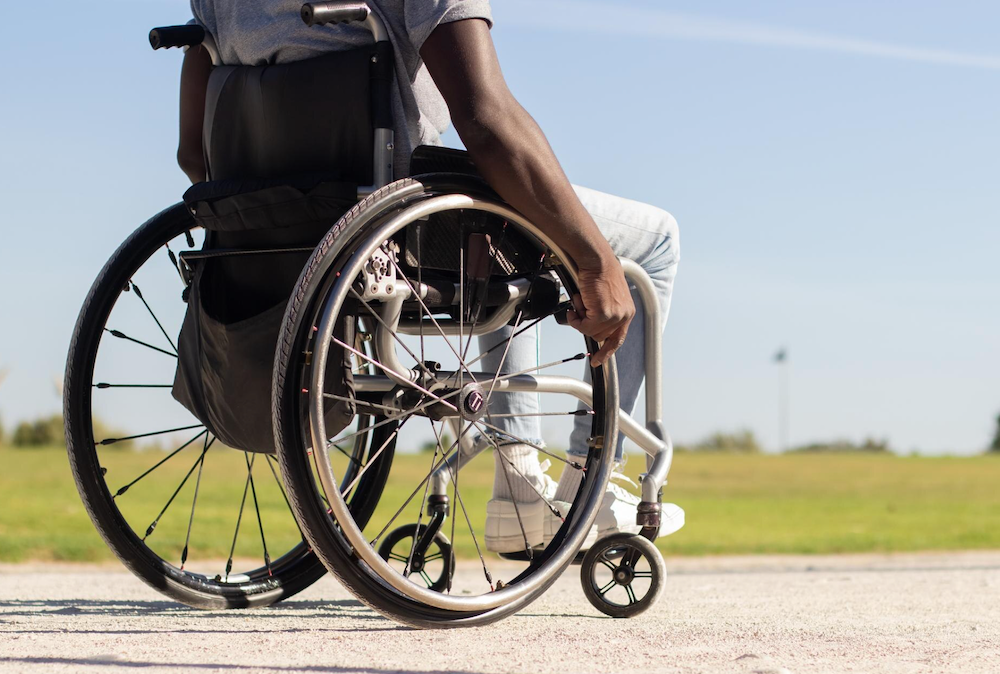
Parents and guardians who provide full-time care to people with severe disabilities could get an extra Sh10,000 a month in tax-free income under new rules proposed by the Kenya Revenue Authority (KRA).
The proposal also sets out how persons with disabilities can claim exemptions of up to Sh150,000 a month on their own income. For eligible carers, the change would raise the monthly tax-free income threshold from Sh24,000 to Sh34,000.

The draft Income Tax (Persons With Disabilities, Parents or Guardians Tax Exemptions) Regulations, 2026, are intended to implement provisions of the Persons with Disabilities Act, 2025, and establish “a fair, transparent and accountable framework for exemptions.”
To qualify for the guardian relief, an applicant must be the parent or legal guardian of a person certified as having a severe disability, be fully responsible for their care and custody, and earn income that is subject to tax.
The person in their care must be “completely incapable of catering for their basic needs”, and only one parent or guardian can claim the exemption for each dependant. Those caring for more than one person with a certified severe disability can apply separately for each dependant.
Applicants will need to submit identification documents, proof of their relationship with the person with a disability, evidence of full care and custody, proof of income, and the relevant disability registration and certification documents. They must also provide a letter from the local administration confirming the care arrangements and pay a non-refundable processing fee of Sh1,000.
For persons with disabilities who earn an income, the draft rules cap the exemption at Sh150,000 a month, or about Sh1.8 million a year, with the amount determined by the severity of the disability.
Those with mild disabilities will not qualify. Blind people will receive the full exemption, while people with moderate or severe visual impairment will qualify for 30 per cent or 60 per cent of the cap, respectively.
People with moderate to severe hearing loss will qualify for 50 per cent of the exemption, with similar scales applying to speech, physical, mental and autism-related disabilities.
Applications will be processed by the National Council for Persons with Disabilities (NCPD). A seven-member committee drawn from KRA, the Council and medical bodies may examine applicants in person, while the Commissioner-General will make a decision on each application within 30 days.
Successful applicants will receive a certificate valid for five years. People with permanent disabilities will not be required to renew their certificates or undergo repeat medical examinations.
People who currently enjoy tax exemptions under rules introduced in 2010 but do not meet the new criteria will lose their exemptions once the regulations take effect.
Email your news TIPS to Editor@nairobilawmonthly.com, and to advertise with us, call +254715061658 anytime of the day
