

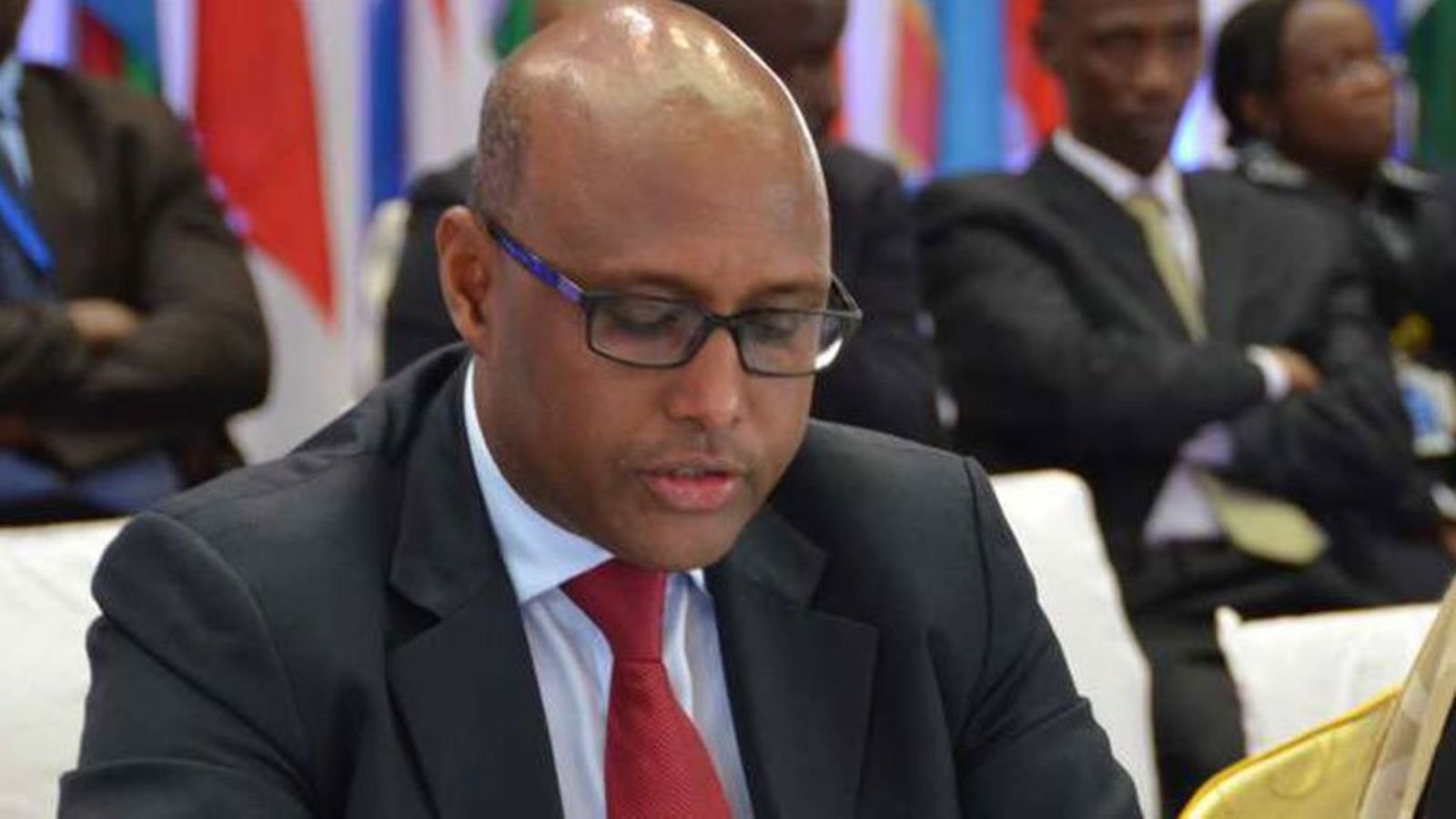
Fresh legal challenges have emerged against the appointment of Adan Abdulla Mohamed as Commissioner General of the Kenya Revenue Authority (KRA), with petitioners seeking to block him from taking office over claims that he has exceeded the mandatory public service retirement age.
Two separate cases filed at the Employment and Labour Relations Court and the High Court in Nairobi argue that the former Cabinet Secretary’s appointment is unconstitutional, illegal and invalid because he is allegedly above the age limit allowed for public officers.

The petitions, lodged by the Consumers Federation of Kenya (Cofek) and Nairobi resident Bernard Opere, seek conservatory orders suspending the implementation of the Gazette notice that formally appointed Mr Mohamed on May 18.
The litigants contend that the 62-year-old former Industrialisation Cabinet Secretary exceeds the mandatory retirement age of 60 years provided for under the Public Service Commission Act and accompanying regulations.
“The contested appointment is illegal, null and void and in blatant violation of Regulation 70 of the Public Service Commission Regulations, 2020,” Mr Opere states in his affidavit.
The petitions further argue that appointing authorities do not possess the legal power to “waive, vary, ignore or suspend” retirement requirements without clear constitutional or statutory authority.
The court battles now threaten to overshadow Mr Mohamed’s appointment, which had already attracted public attention following his swearing-in as the new head of KRA for a three-year term. He was appointed by National Treasury Cabinet Secretary John Mbadi to replace Humphrey Wattanga, who was recently named Kenya’s High Commissioner to Australia.
Mr Mohamed emerged successful from a shortlist of seven candidates that included senior KRA officials and external applicants.
Cofek argues that provisions allowing retired public officers to remain in service under limited contractual arrangements cannot be used to justify appointments to influential State positions unless exceptional circumstances exist.
The lobby group further claims that the competitive recruitment process weakens any argument that Mr Mohamed possessed unique expertise unavailable from other qualified candidates.
Both petitions seek orders restraining him from assuming office, exercising powers attached to the position or making administrative and financial decisions pending the hearing and determination of the cases.
The petitioners are also asking the courts to nullify the Gazette notice and compel the government to begin a fresh recruitment process involving candidates who fully meet legal requirements, including age eligibility.
The dispute has reignited debate over the continued appointment of retired or politically connected individuals to senior public offices, with critics warning that such practices undermine merit-based recruitment and equal opportunity within public service.
Cofek argues that failure to consistently enforce retirement regulations could erode public confidence in State institutions and weaken constitutional safeguards intended to ensure orderly transition and generational renewal in government.
Neither the National Treasury nor KRA had publicly responded to the petitions by the time of publication.
Cofek’s application is scheduled for hearing on May 27, while the High Court case filed by Mr Opere is awaiting further directions.
Email your news TIPS to Editor@nairobilawmonthly.com, and to advertise with us, call +254715061658 anytime of the day
