

Kenya has confirmed a second case of Ebola, caused by the Bundibugyo virus. The patient is a close relative of the man who brought the disease into the country and died in Nairobi last week.
“The Ministry of Health confirms a second case of Ebola (Bundibugyo Virus Disease) in Kenya,” the ministry said in a statement issued on October 14, 2026. “Kenya has now recorded two confirmed cases and one death.”

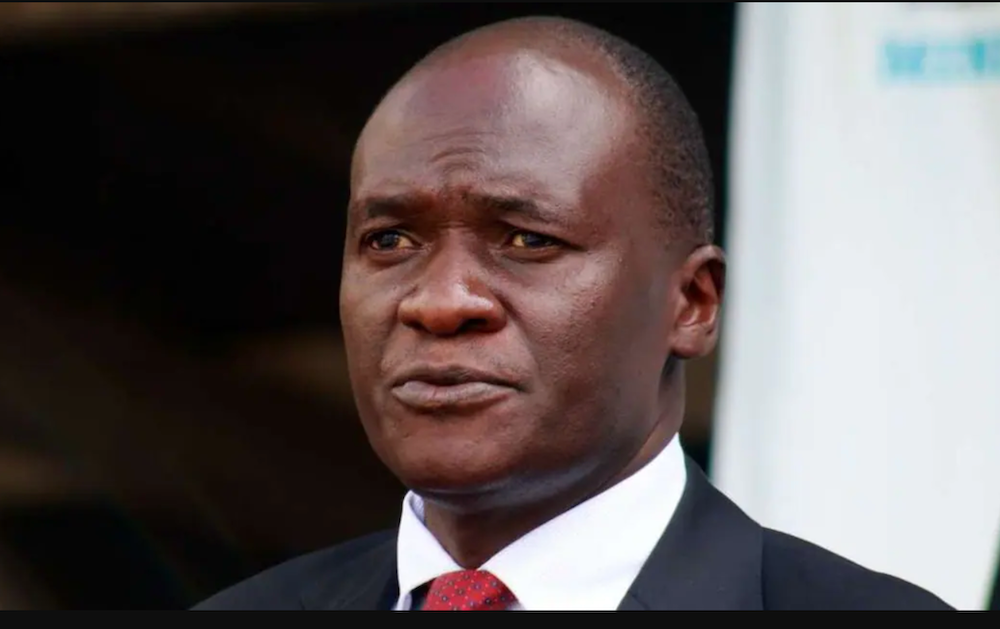
According to the Director General for Health, Dr Patrick Amoth, the new patient is a 39-year-old man who was already in quarantine and under daily monitoring when he developed fever, fatigue and joint pains on October 13.
Quarantine staff isolated him immediately and took a sample. It tested positive at both the National Virology Reference Laboratory and the KEMRI-CDC laboratory, and he has been moved to a designated treatment centre, where he is receiving supportive care.
Health officials said the two cases are linked and that there is no evidence of the virus spreading in the wider community. The ministry presented the early detection as proof that the containment plan is working, posting on its social media pages: Second Ebola case detected early: Contact tracing and quarantine working.
Contact tracing has been intensified. Of the 128 people identified as contacts of the first patient, 113 had been traced by October 13. Of these, 108 are in quarantine in Kenya, while five are abroad, and the authorities in their host countries have been notified under the International Health Regulations (2005).
The search for the remaining 15 continues, and health teams are also assessing quarantine staff and health workers who may have been exposed to the second patient.
Dr Amoth explained why contacts are monitored for three weeks. “Ebola incubation is from 2-21 days and therefore isolation will take place up to 21 days,” he said.
Officials have repeatedly urged calm, stressing that the virus spreads only through direct contact with the blood or body fluids of a sick or deceased person. Foreign Affairs Principal Secretary Korir Sing’oei made the same point when the first case was announced. “Ebola is not a respiratory disease. Spreads only where exchange of fluids happens. Mere contact does not lead to infection,” he said.
- MSC suspends Kenyan crew deployments over Ebola case
- Kenya confirms first Ebola case as patient dies in Nairobi
- WHO urges Kenya to keep borders open after Ebola case
The response is being coordinated through a single national command under the Public Health (Declaration of Formidable Epidemic Disease) Order, 2026, and the Public Health (Ebola Disease) Rules, 2026. These were gazetted after Health Cabinet Secretary Aden Duale declared the disease a formidable epidemic disease on October 12.
Infection prevention and control measures have been strengthened at quarantine and treatment facilities, and health workers have been given protective equipment. No restrictions have been placed on travel, trade or public gatherings.
International partners have backed Kenya’s response. The World Health Organization (WHO) said it had sent support to the counties most at risk.
“WHO has also delivered about 1,000 Ebola tests and 1,000 personal protective equipment kits to high-risk counties in Kenya,” the agency said. The Africa Centres for Disease Control and Prevention (Africa CDC) commended the “rapid identification, isolation and testing of the patient” when the first case was confirmed.
Kenya’s first case was confirmed on October 6, 2026. The patient was a man who contracted the virus in the Democratic Republic of Congo (DRC), travelled to Nairobi through Uganda and died despite treatment.
The DRC is fighting what has become the fastest-growing Ebola outbreak on record, with at least 8,400 cases and more than 4,000 deaths across seven provinces since the outbreak was declared in mid-May.
“It is like fighting a megafire. Multiple outbreaks are developing at the same time,” said Stephanie Hoffmann of Doctors Without Borders (MSF).
Kenyans who develop fever, unusual tiredness, muscle or joint pains, vomiting, diarrhoea or unexplained bleeding are advised to go to the nearest health facility or call the Ministry of Health’s toll-free line on 719. The ministry has also asked the public to respect the privacy of the affected family and to rely only on official updates.
Email your news TIPS to Editor@nairobilawmonthly.com, and to advertise with us, call +254715061658 anytime of the day
