

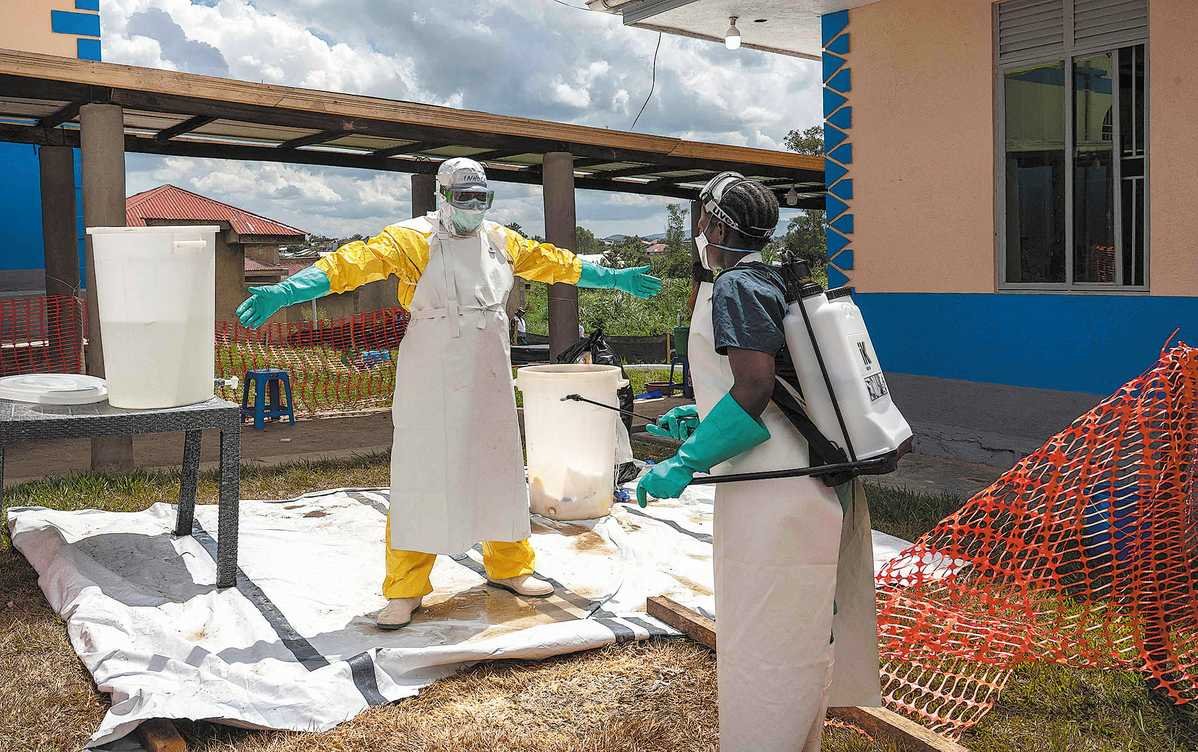
The number of confirmed Ebola cases in the Democratic Republic of Congo (DRC) has surpassed 1,000, with health authorities reporting 254 deaths since the outbreak was declared in May.
In a statement issued on Sunday, Congo’s Ministry of Health said the outbreak had recorded 1,003 confirmed cases, while 100 people had recovered from the disease.
The outbreak, which is concentrated in the eastern province of Ituri, was officially declared on 15 May and has rapidly become one of the most significant Ebola outbreaks in recent years.
Health officials say the outbreak is being driven by the rare Bundibugyo strain of the Ebola virus, for which there is currently no approved vaccine or specific treatment. The strain has complicated efforts to contain the disease and raised concerns among public health authorities.
The Ministry of Health noted that the outbreak experienced unprecedented growth during its first month, with officials warning that the actual number of infections could be significantly higher that the confirmed figures.
Authorities believe the outbreak has not yet reached its peak, raising fears that both infections and fatalities could continue to rise in the coming weeks.
Efforts to contain the virus have been hampered by challenges in tracing people who may have been exposed to infected patients. According to the ministry, contact tracing coverage currently stands at 55 per cent, leaving a substantial number of potential cases unaccounted for.
- Ruto defends US-linked Ebola facility as protests and court orders mount
- US Ebola quarantine plan for Kenya sparks nationwide outrage
- Court freezes Kenya-US Ebola response deal amid public outcry
Officials are also yet to identify the source of the outbreak, commonly referred to as “patient zero,” more than a month after the disease was first detected.
As of last week, health authorities were still seeking to trace over 35,000 individuals believed to have come into contact with infected persons, highlighting the scale of the public health challenge facing the country.
Ebola is a severe and often fatal disease that spreads through direct contact with the bodily fluids of infected individuals or contaminated materials. Symptoms include fever, fatigue, vomiting, diarrhoea and, in severe cases, internal and external bleeding.
The latest figures underscore the growing pressure on health authorities as they work to contain the outbreak and prevent further spread of the virus within Congo and neighbouring countries.
Email your news TIPS to Editor@nairobilawmonthly.com, and to advertise with us, call +254715061658 anytime of the day
