

By Zubeidah Kananu
As Kenya approaches the 2027 General Election, one question should concern every citizen, policymaker and institution entrusted with safeguarding our democracy: Will the media be sufficiently resilient to fulfil its democratic responsibilities when the country needs it most?
This is not a hypothetical question.
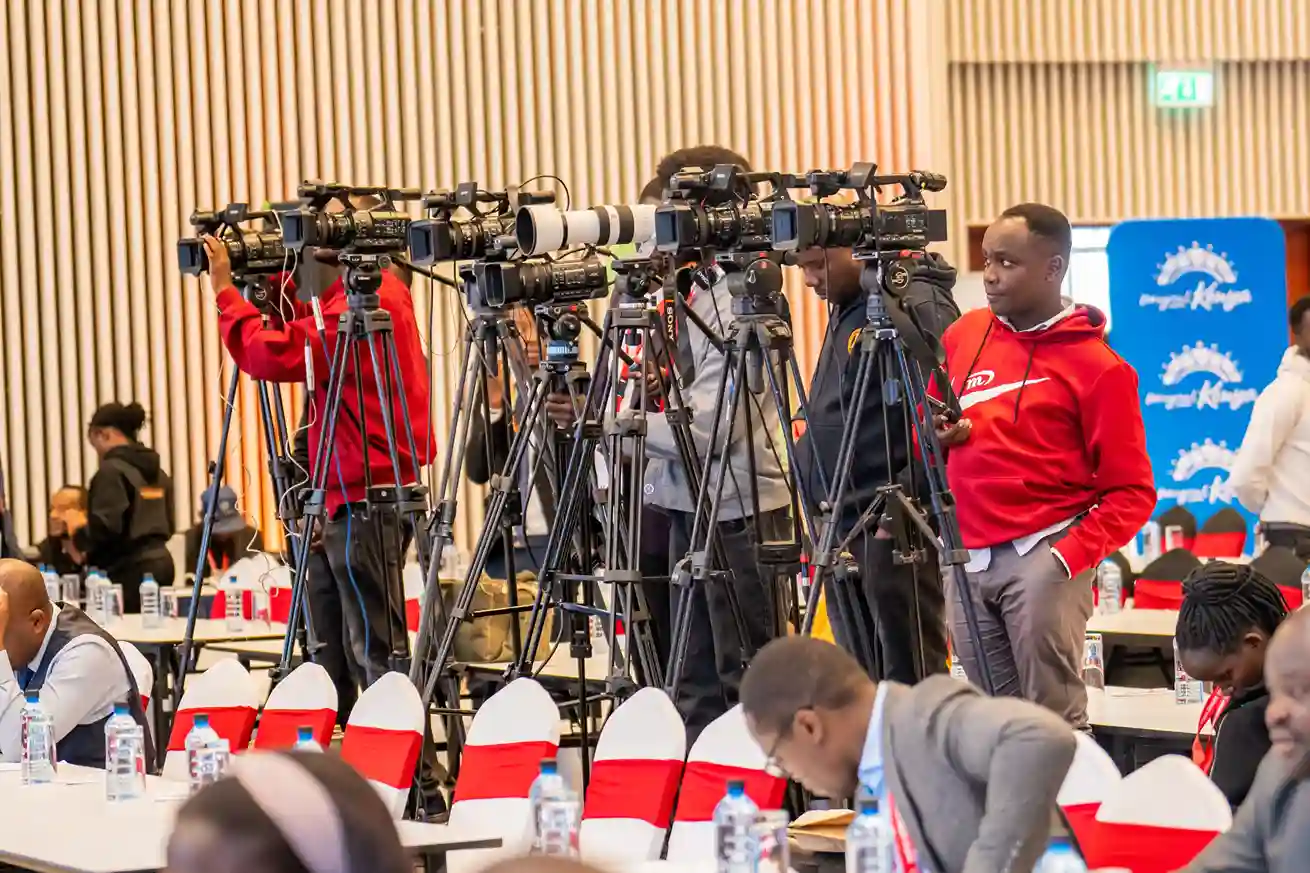
Across Kenya, newsrooms are shrinking, experienced journalists are leaving the profession, and media organisations are struggling financially. Those who remain are expected to deliver more with fewer resources, often amid intimidation, physical threats and online harassment.
Meanwhile, political temperatures are rising, public trust is being tested, and artificial intelligence is transforming how information is produced and consumed.
These challenges are unfolding simultaneously, creating a perfect storm for Kenyan journalism. Yet this is precisely when the country needs a strong, independent and credible media more than ever.
It is against this backdrop that the Kenya Editors’ Guild will convene its 9th Annual Editors’ Convention in Mombasa from November 25 to 29, under the theme “Navigating the Storm: Media Resilience on the Road to 2027.”
This is more than an annual gathering of editors. It is an opportunity to confront difficult questions about journalism’s future and the health of our democracy.
Elections are not simply about voting. They are about the quality of information citizens receive before making decisions that shape their lives.
When politicians promise jobs, affordable healthcare or lower taxes, who interrogates those promises? Who follows public money and reminds citizens of commitments made in previous elections?
Consider a mother struggling to pay school fees, a patient unable to access essential medication or a young graduate searching for employment. Their struggles are connected to decisions about taxation, public borrowing and governance.
Journalism must move beyond reporting political promises to examining their cost, feasibility and consequences.
Preparing for 2027 also demands an honest examination of previous elections, particularly 2022. The criticism surrounding media involvement in election results tallying raised important questions about accuracy, transparency, verification and public confidence.
What did we get right? Where did we fall short? How do we strengthen editorial safeguards to ensure that the pressure to report results quickly never compromises accuracy or credibility?
These are uncomfortable but necessary questions.
We must recognise editorial bias, distinguish legitimate political communication from propaganda, and expose attempts by domestic and foreign actors to manipulate public opinion.
Equally important is our responsibility to de-escalate political tensions. The headlines we publish, language we use and voices we amplify can either inflame divisions or encourage peaceful public discourse.
Our duty is to report political conflict responsibly, without fuelling violence or compromising the truth.
Yet how effectively can we fulfil these responsibilities when newsrooms lack resources to sustain investigative reporting and economic vulnerability threatens editorial independence?
A financially weakened newsroom is not simply a business in distress. It is a warning sign for democracy.
When newsrooms shrink, specialised reporting disappears, institutional memory is lost, and communities lose access to information that matters. Media sustainability is therefore a matter of public interest.
Compounding this crisis is artificial intelligence, which can generate convincing images, videos and audio recordings capable of misleading audiences. False information can reach millions before journalists have an opportunity to verify it.
When citizens lose confidence in credible information, democracy itself becomes vulnerable.
Strengthening verification systems, embracing technology responsibly and rebuilding public trust must become urgent priorities.
But technology and economic pressures are only part of the storm.
We cannot speak about credible election coverage without confronting the preparedness, safety and welfare of those delivering it.
Journalists have been assaulted, threatened, injured and had their equipment destroyed while covering political events. Too often, condemnation and promises of investigations are followed by silence.
Imagine a young journalist deployed to a politically charged demonstration with inadequate training, protective equipment or safety protocols, yet expected to navigate violence, verify information and deliver accurate coverage.
We cannot send journalists to the frontline unprepared and expect them to return unharmed, physically or psychologically.
Training and capacity building must be central to our preparations for 2027. Journalists need practical skills in conflict-sensitive reporting, verification, physical and digital safety, while editors must assess risks and make responsible deployment decisions.
Repeated exposure to violence and traumatic events can leave lasting psychological scars. Yet journalists are often expected to move between distressing assignments without adequate psychosocial support.
Behind every headline is a human being.
Our duty of care must extend beyond filing the story to ensuring journalists return safely, recover and receive appropriate support. This includes addressing sexual harassment and technology-facilitated violence, particularly against female journalists.
Resilience cannot mean asking journalists to endure more hardship. It must mean equipping, protecting and supporting them to work with dignity.
Our convention will bring together media leaders, government, constitutional commissions, regulators, technology companies and development partners to identify practical solutions.
We are honoured that Chief Justice Martha Koome is scheduled to grace the official opening as Chief Guest, underscoring the importance of engagement between the media and institutions safeguarding constitutionalism and the rule of law.
But success will not be measured by distinguished speakers or resolutions adopted. It will be measured by what changes afterwards.
We must leave Mombasa with clear commitments: stronger election reporting and verification protocols, sustained newsroom training, enforceable safety measures, accessible mental health support and accountability for attacks against journalists. Equally urgent are practical solutions to media sustainability.
As editors, we must also confront our shortcomings. We cannot demand accountability from public institutions while avoiding scrutiny of our editorial decisions, professional standards and treatment of journalists.
The responsibility to rebuild public trust begins with us.
Ultimately, this conversation is about protecting every Kenyan’s right to credible information.
When a newsroom closes, a community loses a watchdog. When a journalist is silenced, a story of public interest may never be told. When misinformation goes unchallenged, democracy suffers.
The 2027 General Election will come and go. Political leaders will compete, some will win and others will lose. But the institutions sustaining our democracy must remain strong long after the votes are counted.
The media is one of those institutions.
A resilient media is not one that merely survives the storm. It is one that emerges stronger, more credible, more independent and better equipped to serve the public.
That is the challenge before us in Mombasa. And that is the responsibility we owe the Kenyan people.
Because when journalism is weakened, it is not journalists alone who lose their voice. It is the nation that risks losing its conscience.
The writer is President of the Kenya Editors’ Guild.
Email your news TIPS to Editor@nairobilawmonthly.com, and to advertise with us, call +254715061658 anytime of the day
