

Kenya has rejected travel restrictions imposed on its citizens by Saudi Arabia over the Ebola outbreak, describing them as excessive and unsupported by scientific evidence, and has asked Riyadh to review and lift them.
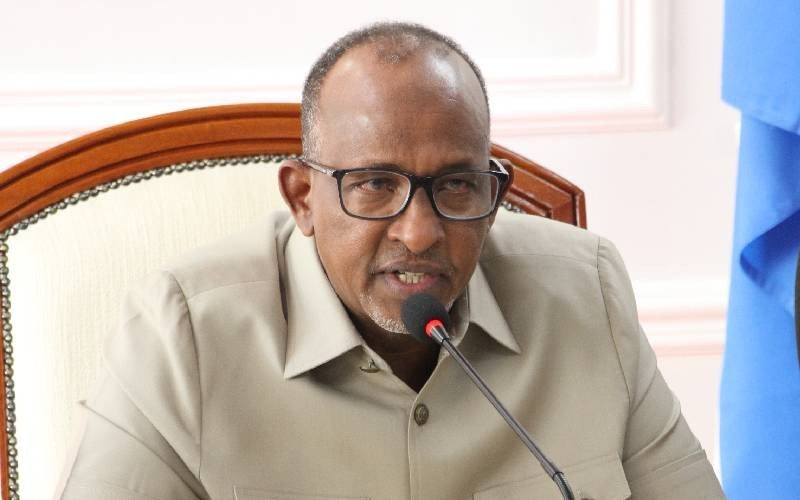
Health Cabinet Secretary Aden Duale said on Saturday, October 31, 2026, that the measures were “not only excessive but not backed by the current epidemiological situation.”

In a diplomatic note dated October 30, the Ministry of Foreign and Diaspora Affairs said that while Kenya respected Saudi Arabia’s right to protect its people, the restrictions went too far. “The measures against Kenya are disproportionate and not supported by scientific health evidence,” the ministry said.
Saudi Arabia announced on Friday, October 30, that it had barred its citizens from travelling to Kenya, suspended all categories of visas for Kenyan travellers, and barred entry to anyone who had been in Kenya in the previous 21 days, including transit passengers.
Riyadh said the decision followed its own public health assessment and was meant to keep the virus out of the kingdom. Kenya described the visa suspension and entry ban as “a blanket, punitive measure” that was not justified by the epidemiological evidence.
The ministry warned that the measures would affect Kenyans travelling to Saudi Arabia for pilgrimage, work, study and business, and damage trade and tourism links between the two countries.
In its note, Kenya asked Saudi Arabia to submit a scientific justification for the measures to the World Health Organization (WHO) within 48 hours, as required under the International Health Regulations (2005), and to review them within three months.
The Ministry of Foreign and Diaspora Affairs described the restrictions as “a hostile act against Africa” and said Kenya would raise the matter with the Africa Centres for Disease Control and Prevention (Africa CDC), together with other affected African countries.
Kenya has also offered Saudi Arabia’s Public Health Authority a technical briefing on the outbreak. The ministry said the WHO had described Kenya’s response as “professional, diligent and transparent” and had advised against travel and trade restrictions. The WHO rates the risk of the disease spreading outside the Democratic Republic of Congo and its neighbours as low.
The government says the outbreak is under control. Kenya has recorded nine confirmed cases, including two deaths, all in a single cluster linked to one imported case, and no new infections have been reported since October 19.
Every secondary case was already in quarantine when symptoms appeared, and there is no evidence of wider community transmission. Of the seven patients still in treatment, five have tested negative once and are due for a second test today, Monday, November 2.
If that test result is negative, they could be discharged tomorrow, Tuesday, November 3. Health officials have traced and monitored 135 contacts.
The first group completed the 21-day quarantine and was released on October 26, and the remaining 46 contacts are due to leave quarantine on November 3 if they remain symptom-free. Duale called for international cooperation and support rather than travel restrictions and isolation.
Email your news TIPS to Editor@nairobilawmonthly.com, and to advertise with us, call +254715061658 anytime of the day
